
Best 30-Minute Vegan Korean Recipes
Korean food is bold, comforting, and full of vibrant flavours. When made vegan, these dishes become even lighter and more nourishing.
These 30-minute vegan Korean recipes bring heat, depth, and balance to your table with simple ingredients and quick steps.
You’ll enjoy familiar favourites like savoury pancakes, spicy noodles, and sizzling tofu. Each recipe is ready in half an hour, making it perfect for busy days or relaxed evenings. The focus is always on freshness, harmony, and wholesome plant-based goodness.
Whether you’re new to Korean cooking or already love its rich flavours, this collection gives you a delicious place to start. These quick vegan dishes will help you enjoy the heart of Korean cuisine in a fast, joyful, and accessible way.
Best 30-Minute Vegan Korean Recipes
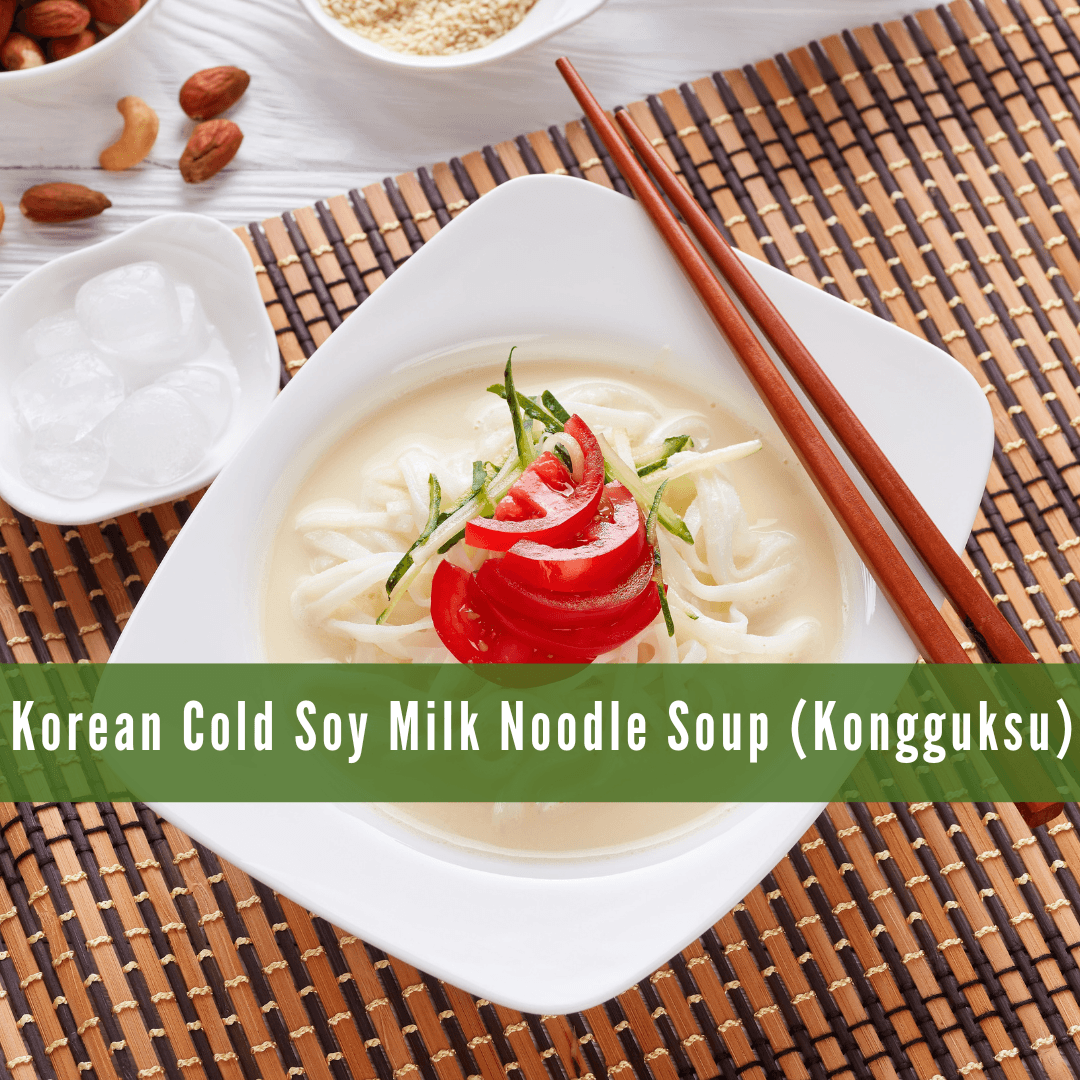
Recipe #1 — Korean Cold Soy Milk Noodle Soup (Kongguksu)
This refreshing Korean cold soy milk noodle soup is smooth, creamy, and naturally cooling. The soy milk broth brings a gentle nutty flavour that pairs beautifully with tender wheat noodles. It is light, nourishing, and perfect for warm days or whenever you want a soothing, simple meal.
Prep time: 10 minutes | Cook time: 5 minutes | Total time: 15 minutes | Servings: 2
Ingredients
- Wheat noodles (somyeon): 200 g
- Unsweetened soy milk: 2 cups
- Soybeans: ½ cup, cooked
- Cucumber: ½ cup, julienned
- Sesame seeds: 1 tablespoon
- Ice cubes: a few, optional
- Celtic sea salt to taste
- Black pepper to taste
Method
- Cook the wheat noodles according to package directions, then rinse under cold water to chill them.
- In a blender, combine the soy milk, cooked soybeans, and sesame seeds. Blend until smooth.
- Season the broth with Celtic sea salt and black pepper.
- Divide the noodles between two bowls.
- Pour the chilled soy broth over the noodles.
- Add ice cubes for a colder, more refreshing soup.
- Top the Korean cold soy milk noodle soup with cucumber strips before serving.
Nutrition Facts (per serving)
- Calories: ≈260
- Protein: 13 g
- Fibre: 3 g
- Fat: 8 g
- Carbohydrates: 36 g
Health Benefits
This dish provides plant-based protein from soybeans and soy milk, helping support muscle health and steady energy. The chilled broth is soothing on warm days, while the noodles add satisfying complex carbohydrates for balance and comfort.
You can learn more about the benefits of soy milk.
Explore delicious vegan milk recipes.
Recipe #2 — Korean Soybean Paste Stew (Doenjang Jjigae)
This quick Korean soybean paste stew is the vegan version of a classic Korean stew, bringing deep, savoury flavour in just minutes.
The doenjang adds richness and warmth, while fresh vegetables create a balanced and nourishing bowl. It is simple, comforting, and perfect for a fast plant-based meal.
Prep time: 10 minutes | Cook time: 10 minutes | Total time: 20 minutes | Servings: 2
Ingredients
- Refined coconut oil: 1 tablespoon
- Doenjang (Korean soybean paste): 2 tablespoons
- Vegetable broth: 2 cups
- Zucchini: 1 cup, sliced
- Carrot: ½ cup, sliced
- Onion: ½ cup, chopped
- Soft tofu: 1 cup, cubed
- Garlic: 2 cloves, minced
- Green onion: 2 stalks, sliced
- Gochugaru: ½ teaspoon
- Celtic sea salt to taste
- Black pepper to taste
Method
- Heat the refined coconut oil in a pot over medium heat. Add the garlic and onion and sauté until soft.
- Stir in the doenjang until it melts into the oil and becomes aromatic.
- Pour in the vegetable broth and bring the mixture to a gentle simmer.
- Add the zucchini and carrot and cook until tender.
- Add the soft tofu and gochugaru, then simmer for a few more minutes.
- Season with Celtic sea salt and black pepper.
- Top the Korean soybean paste stew with sliced green onions before serving.
Nutrition Facts (per serving)
- Calories: ≈210
- Protein: 12 g
- Fibre: 3 g
- Fat: 8 g
- Carbohydrates: 22 g
Health Benefits
Doenjang is rich in probiotics and beneficial enzymes that support digestion and gut health. The combination of tofu and vegetables adds protein, vitamins, and minerals that promote balance and nourishment.
You can learn more about the benefits of fermented soybean pastes like doenjang.
Explore our 6 Healthy Vegan Stew Recipes With Dumplings For Your Kids.
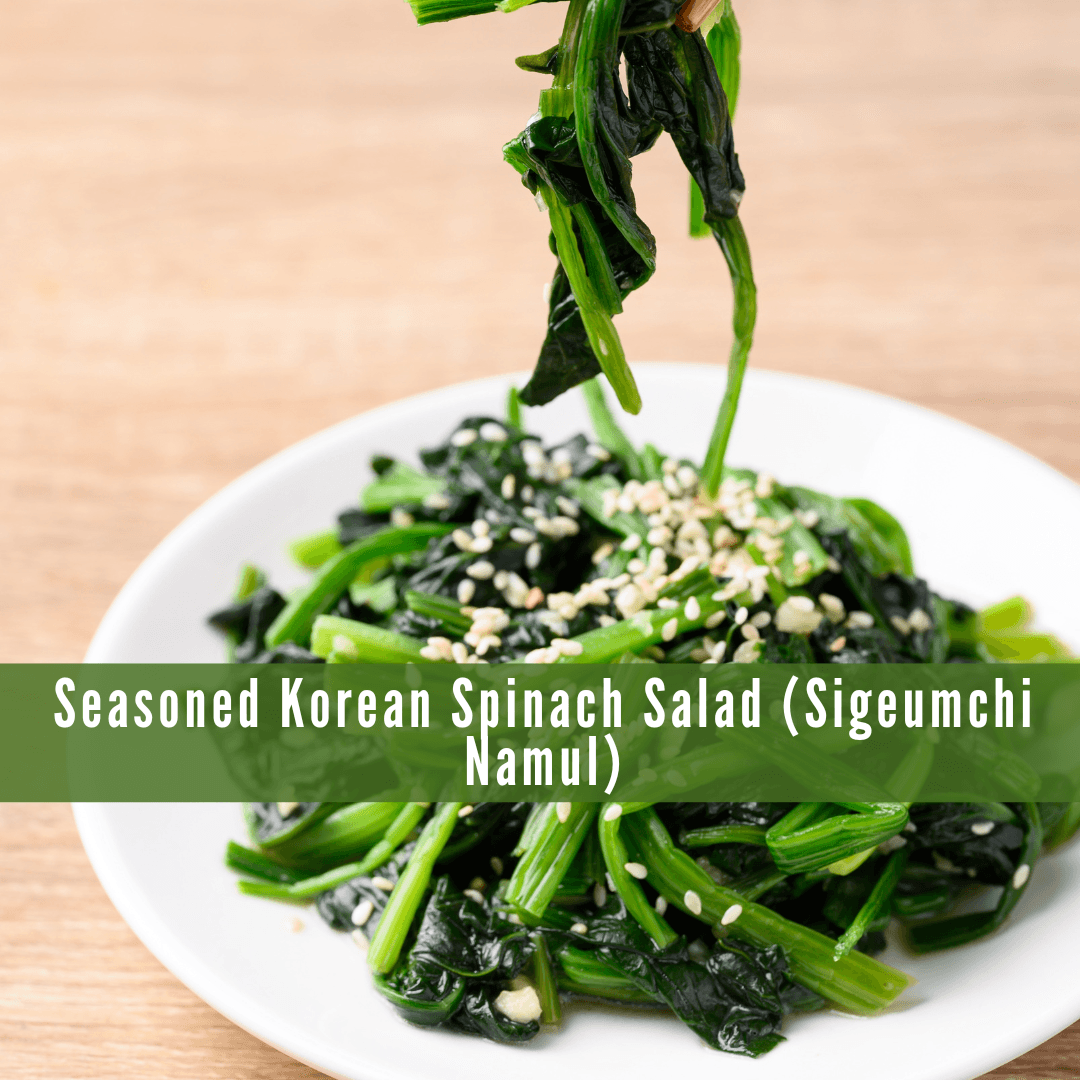
Recipe #3 — Seasoned Korean Spinach Salad (Sigeumchi Namul)
This simple seasoned Korean spinach salad is light, savoury, and full of fresh flavour. The blanched spinach is gently seasoned with garlic, sesame, and soy sauce, creating a quick and nourishing side dish. It is refreshing on its own and pairs beautifully with warm rice or other Korean dishes.
Prep time: 5 minutes | Cook time: 3 minutes | Total time: 8 minutes | Servings: 2
Ingredients
- Spinach: 4 cups, fresh
- Soy sauce: 1 tablespoon
- Garlic: 1 clove, minced
- Sesame oil: 1 teaspoon
- Sesame seeds: 1 teaspoon
- Green onion: 1 stalk, sliced
- Celtic sea salt to taste
- Black pepper to taste
Method
- Bring a pot of water to a boil and add the spinach. Blanch for 30–45 seconds until just wilted.
- Drain and rinse under cold water to stop the cooking process.
- Squeeze out excess water from the spinach, then place it in a bowl.
- Add the soy sauce, garlic, sesame oil, green onion, and sesame seeds.
- Season the seasoned Korean spinach salad with Celtic sea salt and black pepper.
- Toss gently until the spinach is evenly coated.
Nutrition Facts (per serving)
- Calories: ≈90
- Protein: 4 g
- Fibre: 3 g
- Fat: 5 g
- Carbohydrates: 7 g
Health Benefits
This salad offers a rich dose of vitamins A and C from the spinach, helping support immunity and eye health. The sesame oil and seeds provide healthy fats and minerals that add nourishment and balance to the dish.
You can learn more about the benefits of spinach.
Explore our delectable vegan spinach recipes.
Recipe #4 — Spicy Korean Cold Noodle Salad (Gochujang Bibim Guksu)
This bright and flavourful spicy Korean cold noodle salad is spicy, tangy, and wonderfully refreshing. The gochujang dressing coats each strand of cold noodles, creating a light yet satisfying meal. It comes together quickly and is perfect for warm days or whenever you crave a bold, vibrant dish.
Prep time: 10 minutes | Cook time: 5 minutes | Total time: 15 minutes | Servings: 2
Ingredients
- Wheat noodles (somyeon): 200 g
- Cucumber: ½ cup, julienned
- Carrot: ½ cup, julienned
- Green onion: 2 stalks, sliced
- Sesame seeds: 1 teaspoon
- Celtic sea salt to taste
Dressing
- Gochujang: 1 tablespoon
- Soy sauce: 1 tablespoon
- Rice vinegar: 1 tablespoon
- Maple syrup: 1 teaspoon
- Garlic: 1 clove, minced
- Sesame oil: 1 teaspoon
Method
- Cook the noodles according to package directions, then rinse under cold water until fully chilled.
- Whisk together the gochujang, soy sauce, rice vinegar, maple syrup, garlic, and sesame oil to make the dressing.
- Transfer the noodles to a bowl and pour the dressing over them. Toss to coat evenly.
- Add the cucumber, carrot, and green onion.
- Season the spicy Korean cold noodle salad with Celtic sea salt and sprinkle with sesame seeds before serving.
Nutrition Facts (per serving)
- Calories: ≈280
- Protein: 8 g
- Fibre: 3 g
- Fat: 6 g
- Carbohydrates: 48 g
Health Benefits
This noodle salad provides refreshing hydration from the raw vegetables and steady energy from the wheat noodles. The gochujang adds antioxidants and beneficial fermented compounds that support immunity and gut health.
You can learn more about Gochujang on Wikipedia.
Explore our scrumptious vegan pasta salad recipes.
Want to Share Your Passion for Vegan Living?
Discover how easy and fulfilling vegan living can be —
from recipes and travel to lifestyle and sustainability tips.
Read this blog post next:
How to Start a Vegan Blog (and Turn Your Passion into Purpose).
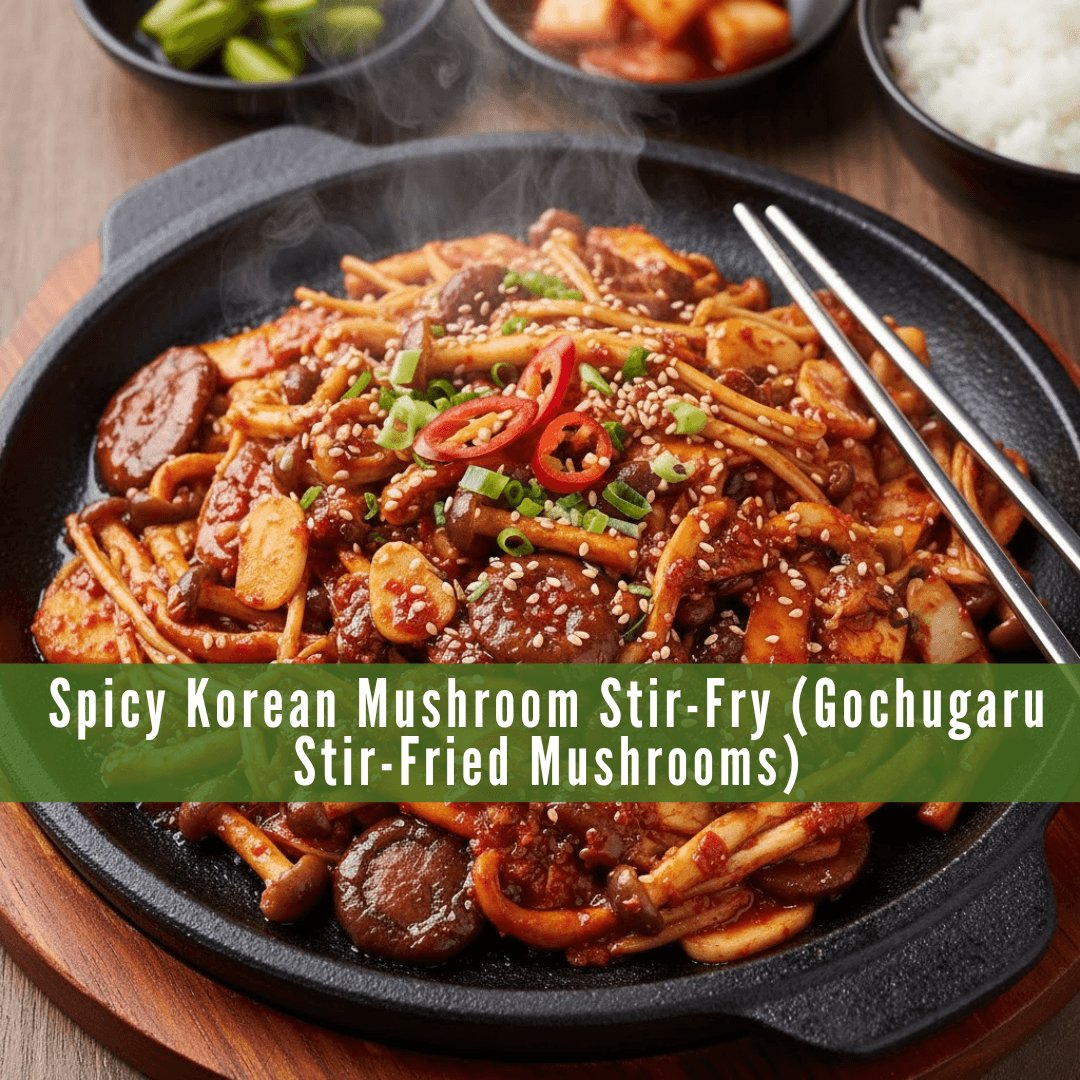
Recipe #5 — Spicy Korean Mushroom Stir-Fry (Gochugaru Stir-Fried Mushrooms)
This quick and spicy Korean mushroom stir-fry is savoury, spicy, and packed with rich umami flavour. The gochugaru adds gentle heat that blends beautifully with the tender mushrooms. It makes a delicious side dish and pairs well with rice or noodles.
Prep time: 10 minutes | Cook time: 8 minutes | Total time: 18 minutes | Servings: 2
Ingredients
- Avocado oil: 1 tablespoon
- Mushrooms: 3 cups, sliced (shiitake, oyster, or button)
- Garlic: 2 cloves, minced
- Soy sauce: 1 tablespoon
- Maple syrup: 1 teaspoon
- Gochugaru: 1 teaspoon
- Sesame oil: 1 teaspoon
- Green onion: 2 stalks, sliced
- Sesame seeds: 1 teaspoon
- Celtic sea salt to taste
- Black pepper to taste
Method
- Heat the avocado oil in a pan over medium heat.
- Add the garlic and cook for 30 seconds until fragrant.
- Add the mushrooms and stir-fry for 4–5 minutes until tender and lightly browned.
- Stir in the soy sauce, maple syrup, and gochugaru.
- Cook for another 1–2 minutes until the flavours combine.
- Season with Celtic sea salt and black pepper.
- Drizzle the spicy Korean mushroom stir-fry with sesame oil and top with green onions and sesame seeds before serving.
Nutrition Facts (per serving)
- Calories: ≈150
- Protein: 5 g
- Fibre: 3 g
- Fat: 10 g
- Carbohydrates: 12 g
Health Benefits
Mushrooms provide antioxidants, minerals, and immune-supporting compounds while remaining low in calories. The gochugaru adds gentle heat and beneficial plant compounds that help support overall wellness.
You can learn more about the benefits of mushrooms.
Explore our delicious vegan marinated mushroom recipes.
Recipe #6 — Korean Scallion Pancake (Pajeon)
This savoury Korean scallion pancake is crispy on the outside and tender on the inside. The fresh scallions add a mild onion flavour that pairs beautifully with the light batter. It cooks quickly and makes a delicious side dish or snack.
Prep time: 10 minutes | Cook time: 10 minutes | Total time: 20 minutes | Servings: 2
Ingredients
- Avocado oil: 2 tablespoons
- All-purpose flour: 1 cup
- Cornstarch: 2 tablespoons
- Water: 1 cup
- Scallions: 1 cup, cut into 2-inch pieces
- Soy sauce: 1 tablespoon
- Garlic: 1 clove, minced
- Celtic sea salt to taste
- Black pepper to taste
Dipping Sauce
- Soy sauce: 1 tablespoon
- Rice vinegar: 1 teaspoon
- Maple syrup: ½ teaspoon
- Sesame seeds: ½ teaspoon
- Chilli flakes: a pinch, optional
Method
- Whisk together the flour, cornstarch, water, and Celtic sea salt to create a smooth batter.
- Fold in the scallions.
- Heat the avocado oil in a pan over medium heat.
- Pour in the batter and spread it evenly.
- Cook for 3–4 minutes until the bottom is golden and crisp.
- Flip carefully and cook the other side until golden.
- Whisk together the dipping sauce ingredients.
- Slice the savoury Korean scallion pancake and serve it with the dipping sauce.
Nutrition Facts (per serving)
- Calories: ≈320
- Protein: 7 g
- Fibre: 2 g
- Fat: 14 g
- Carbohydrates: 42 g
Health Benefits
This pancake provides steady energy from the flour base and antioxidants from the scallions. The sesame seeds and soy sauce in the dipping sauce add minerals and umami richness that enhance flavour without heaviness.
You can learn more about the benefits of green onions.
Explore our tasty vegan pumpkin pancake recipes.
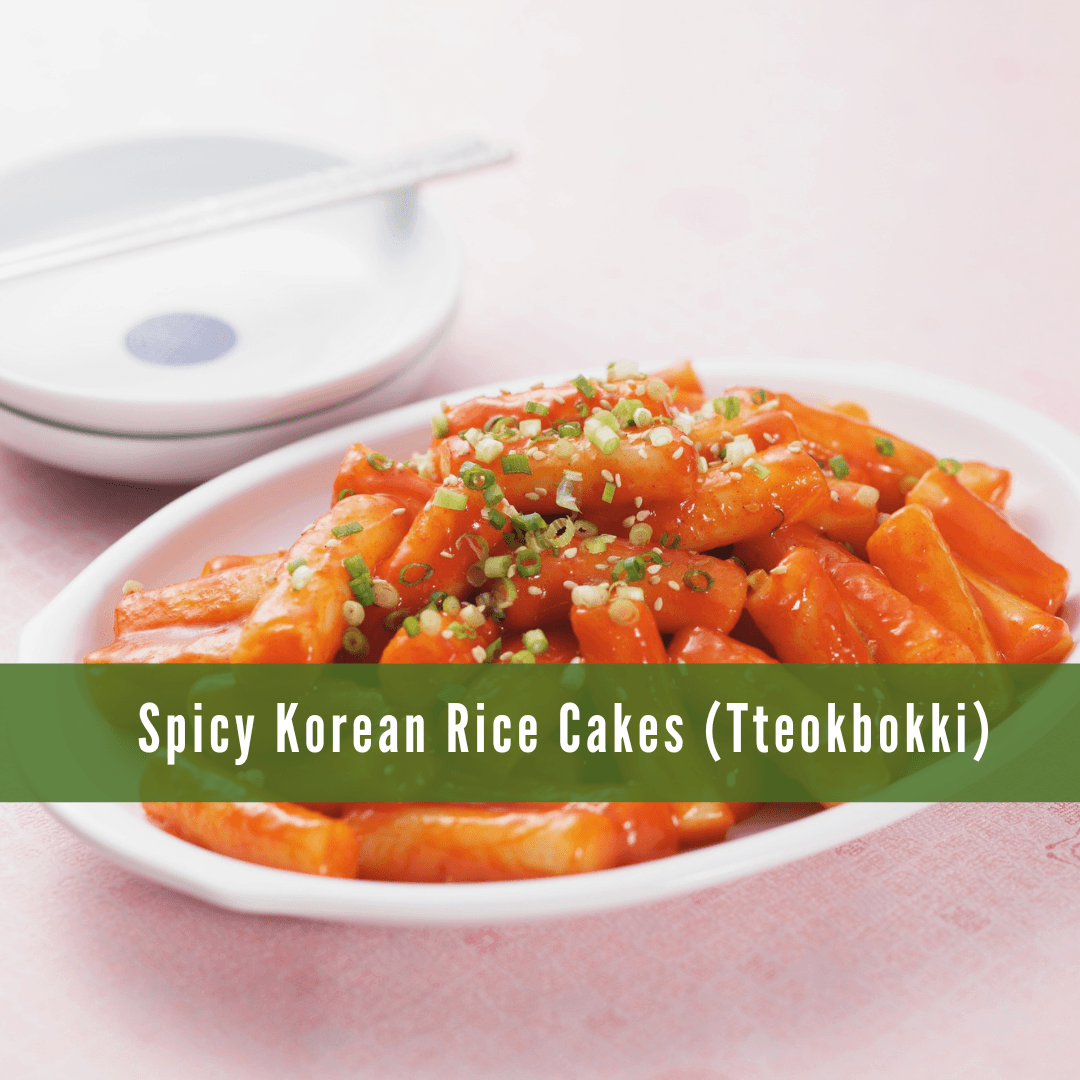
Recipe #7 — Spicy Korean Rice Cakes (Tteokbokki)
These spicy Korean rice cakes are a classic Korean street food that is warm, chewy, and full of rich, tangy flavour. The gochujang sauce creates a bold, comforting dish perfect for a quick weeknight meal. It comes together quickly and fills your bowl with satisfying texture and heat.
Prep time: 10 minutes | Cook time: 10 minutes | Total time: 20 minutes | Servings: 2
Ingredients
- Avocado oil: 1 tablespoon
- Korean rice cakes (tteok): 2 cups
- Vegetable broth: 1½ cups
- Gochujang: 1½ tablespoons
- Gochugaru: 1 teaspoon
- Soy sauce: 1 tablespoon
- Garlic: 2 cloves, minced
- Carrot: ½ cup, sliced
- Green cabbage: 1 cup, chopped
- Green onion: 2 stalks, sliced
- Sesame oil: 1 teaspoon
- Sesame seeds: 1 teaspoon
- Celtic sea salt to taste
Method
- Heat the avocado oil in a pan over medium heat. Add the garlic and cook for 30 seconds until fragrant.
- Stir in the vegetable broth, gochujang, gochugaru, and soy sauce. Mix until the sauce becomes smooth.
- Add the rice cakes and bring the mixture to a gentle simmer.
- Cook for 5–7 minutes, stirring often, until the rice cakes soften and the sauce thickens.
- Add the carrot and cabbage and continue cooking until the vegetables are tender.
- Season with Celtic sea salt and stir in the sesame oil.
- Top the spicy Korean rice cakes with green onions and sesame seeds before serving.
Nutrition Facts (per serving)
- Calories: ≈330
- Protein: 7 g
- Fibre: 3 g
- Fat: 8 g
- Carbohydrates: 56 g
Health Benefits
Tteokbokki offers a comforting source of steady energy from the rice cakes, which are rich in complex carbohydrates. The gochujang and gochugaru add antioxidants and beneficial plant compounds that help support metabolic and immune health.
You can learn more about gochujang on Wikipedia.
Explore our blog post on Asian Vegans: How Asia Perfected The Art Of Plant-Based Eating.
Recipe #8 — Korean Kimchi Fried Rice (Kimchi Bokkeumbap)
This quick and comforting Korean Kimchi fried rice brings bold Korean flavours to your table in minutes. The tangy kimchi blends beautifully with warm rice, vegetables, and crispy tofu. It is simple, satisfying, and fills your kitchen with savoury aroma.
Prep time: 10 minutes | Cook time: 10 minutes | Total time: 20 minutes | Servings: 2
Ingredients
- Avocado oil: 1 tablespoon
- Firm tofu: 1 cup, cubed
- Cooked rice: 2 cups, preferably day-old
- Vegan kimchi: 1 cup, chopped
- Carrot: ½ cup, diced
- Green peas: ½ cup
- Green onion: 2 stalks, sliced
- Gochujang: 1 tablespoon
- Garlic: 2 cloves, minced
- Sesame oil: 1 teaspoon
- Black pepper to taste
- Celtic sea salt to taste
Method
- Heat the avocado oil in a large pan over medium heat. Add the tofu and cook until golden on all sides.
- Stir in the garlic and cook for 30 seconds until fragrant.
- Add the chopped kimchi, carrot, and peas. Cook for 2–3 minutes until softened.
- Mix in the rice and break up any clumps with your spatula.
- Add the gochujang and stir well to coat everything evenly.
- Season with black pepper and Celtic sea salt, then drizzle with sesame oil.
- Top the Korean Kimchi fried rice with sliced green onions before serving.
Nutrition Facts (per serving)
- Calories: ≈360
- Protein: 13 g
- Fibre: 4 g
- Fat: 12 g
- Carbohydrates: 48 g
Health Benefits
This dish is rich in probiotics from fermented vegan kimchi, which support digestion and gut health. The tofu and vegetables add protein, fibre, and antioxidants that keep the meal balanced and satisfying.
You can learn more about the benefits of kimchi.
Explore our savoury vegan recipes with rice.
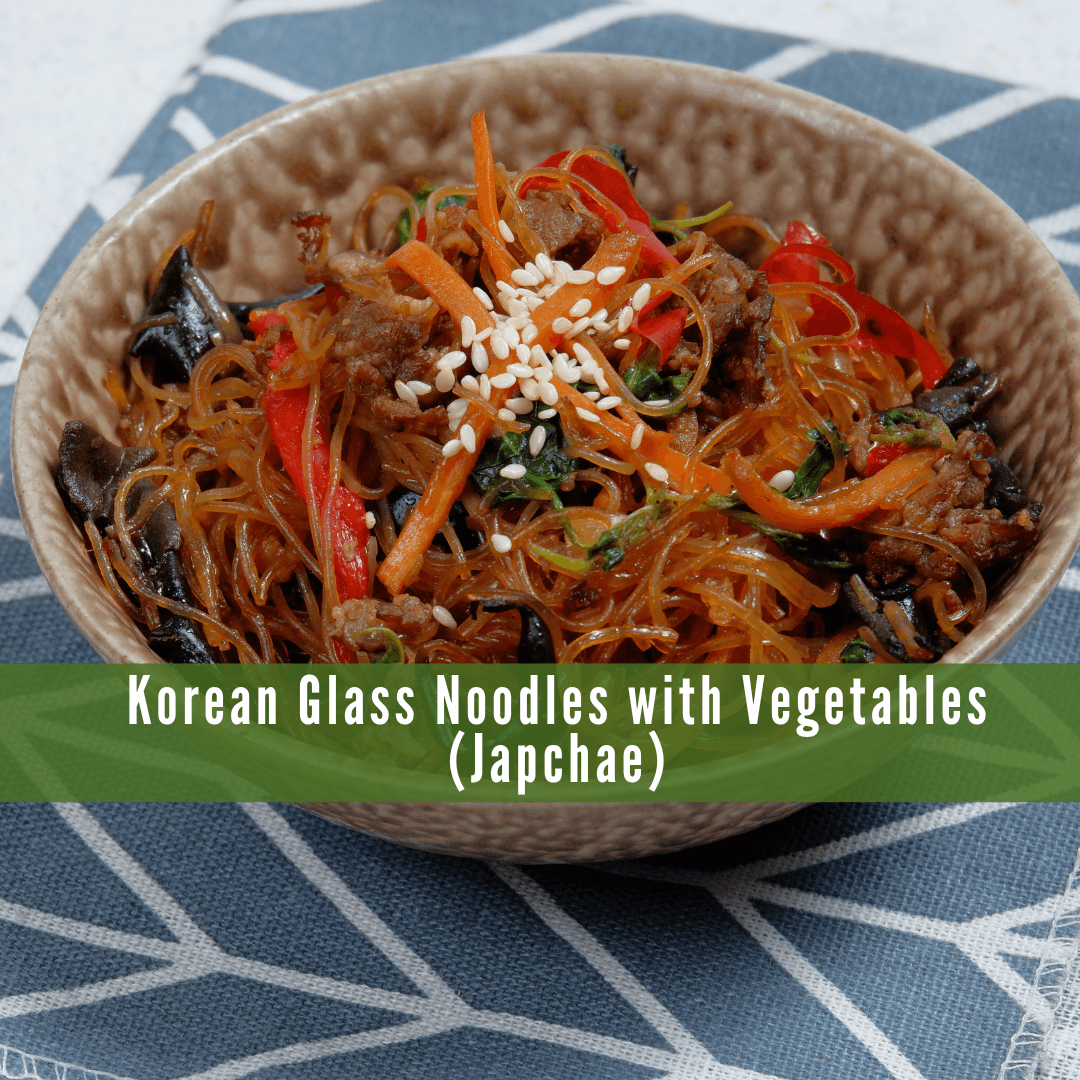
Recipe #9 — Korean Glass Noodles with Vegetables (Japchae)
This classic Korean glass noodles with vegetables dish is lightly sweet, savoury, and full of colourful vegetables. The chewy glass noodles pair beautifully with the quick stir-fried vegetables and simple soy-based seasoning. It is comforting, balanced, and ready in just thirty minutes.
Prep time: 15 minutes | Cook time: 15 minutes | Total time: 30 minutes | Servings: 2
Ingredients
- Glass noodles (dangmyeon): 200 g
- Avocado oil: 1½ tablespoons
- Carrot: ½ cup, julienned
- Red bell pepper: ½ cup, sliced
- Spinach: 1 cup
- Mushrooms: 1 cup, sliced
- Onion: ½ cup, sliced
- Garlic: 2 cloves, minced
- Soy sauce: 2 tablespoons
- Maple syrup: 1 tablespoon
- Sesame oil: 1 teaspoon
- Sesame seeds: 1 teaspoon
- Green onion: 2 stalks, sliced
- Celtic sea salt to taste
- Black pepper to taste
Method
- Cook the glass noodles according to package directions, then rinse under cold water and set aside.
- Heat the avocado oil in a large pan over medium heat.
- Add the onion, carrot, bell pepper, mushrooms, and garlic. Stir-fry for 5–6 minutes until tender.
- Add the spinach and cook until wilted.
- Stir in the soy sauce and maple syrup.
- Add the cooked noodles and toss to combine well.
- Season with Celtic sea salt and black pepper, then drizzle with sesame oil.
- Top the Korean glass noodles with vegetables dish with green onions and sesame seeds before serving.
Nutrition Facts (per serving)
- Calories: ≈340
- Protein: 7 g
- Fibre: 3 g
- Fat: 10 g
- Carbohydrates: 54 g
Health Benefits
Japchae offers a balanced mix of vegetables and complex carbohydrates, making it a satisfying yet light meal. The variety of colourful vegetables provides antioxidants, vitamins, and minerals that support overall health and daily energy.
You can learn more about the benefits of bell peppers.
Explore our 8 best veggie noodle recipes.
Recipe #10 — Korean Pan-Fried Tofu with Soy-Garlic Sauce (Dububuchim-yangnyeomjang)
This simple Korean pan-fried tofu with soy-garlic sauce dish is crispy on the outside and tender inside. The soy-garlic sauce adds savoury depth with a touch of heat and sweetness. It comes together quickly and makes a flavourful main dish or protein-rich side.
Prep time: 10 minutes | Cook time: 10 minutes | Total time: 20 minutes | Servings: 2
Ingredients
- Avocado oil: 1½ tablespoons
- Firm tofu: 1 block, sliced into rectangles
- Garlic: 2 cloves, minced
- Soy sauce: 2 tablespoons
- Rice vinegar: 1 tablespoon
- Maple syrup: 1 teaspoon
- Gochugaru: ½ teaspoon
- Green onion: 2 stalks, sliced
- Sesame seeds: 1 teaspoon
- Sesame oil: 1 teaspoon
- Celtic sea salt to taste
- Black pepper to taste
Method
- Heat the avocado oil in a pan over medium heat.
- Add the tofu slices and pan-fry until golden on both sides.
- In a small bowl, whisk together the soy sauce, rice vinegar, maple syrup, garlic, and gochugaru.
- Pour the sauce over the tofu and cook for 2–3 minutes until it thickens slightly.
- Season with Celtic sea salt and black pepper.
- Drizzle the Korean pan-fried tofu with soy-garlic sauce with sesame oil and top with green onions and sesame seeds before serving.
Nutrition Facts (per serving)
- Calories: ≈290
- Protein: 15 g
- Fibre: 2 g
- Fat: 18 g
- Carbohydrates: 16 g
Health Benefits
This dish offers a great source of plant-based protein from tofu, supporting muscle health and sustained energy. The garlic and gochugaru contribute antioxidants and anti-inflammatory compounds that promote overall wellness.
You can learn more about the benefits of tofu.
Explore our delicious vegan recipes with tofu.
Conclusion
Korean cuisine is full of bold flavours, fresh vegetables, and comforting dishes that translate beautifully into plant-based cooking.
These 30-minute vegan Korean recipes make it easy to enjoy this vibrant cuisine at home, even on the busiest days. Each dish brings its own balance of heat, savoury depth, and nourishing ingredients, helping you create meals that feel satisfying and full of life.
Whether you prefer light salads, warming soups, or hearty noodle bowls, this collection offers something for every mood and season.
I hope these recipes inspire you to explore more Korean flavours in your vegan kitchen. Enjoy every moment of cooking, tasting, and discovering the beauty of plant-based food.
I trust you enjoyed this article on the Best 30-Minute Vegan Korean Recipes. Please stay tuned for more plant-based recipes, vegan travel tips, and lifestyle inspiration.
Take care!
— JeannetteZ 🌿
💬 Your Opinion Is Important To Me
Do you have thoughts, ideas, or questions? I’d love to hear from you. Please leave your comments below, or email me directly at Jeannette@LivingTheVeganLifestyle.org.
📚 More Vegan Lifestyle Reads
🌱 My #1 Recommendation for Online Success
Sharing my passion for vegan living — from food to fashion — has been such a rewarding journey.
If you’ve ever dreamed of building your own ethical lifestyle brand or blog, this is the best place to start.
🌟 See How Vegan Bloggers Build Online Income — Try WA Free (No Credit Card Needed)
Disclosure
This post may contain affiliate links. As an Amazon Associate and participant in other affiliate programs, I earn from qualifying purchases at no extra cost to you. Please read my full affiliate disclosure.