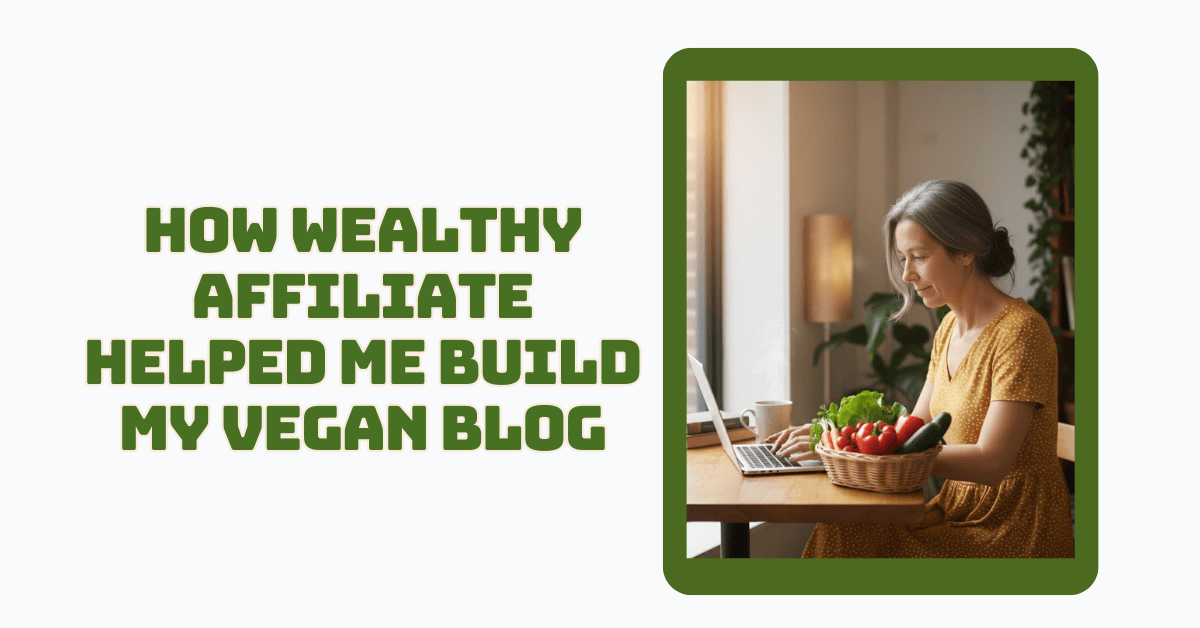
How Wealthy Affiliate Helped Me Build My Vegan Blog
I had the passion. I had ideas. I knew I wanted to write about plant-based food, ethical living, and sustainable choices. What I didn’t have was a clear plan, technical skills, or confidence that I could turn a blog into something real, let alone profitable.
That’s where Wealthy Affiliate came in. This post isn’t hype. It’s my honest experience about how Wealthy Affiliate helped me build my vegan blog.
They showed me how to go from “I want to start a vegan blog” to actually building one that gets traffic, grows consistently, and has real earning potential.
If you’re thinking about starting a vegan blog—or any niche blog—this will give you a realistic picture of what worked, what didn’t, and why Wealthy Affiliate made the process much easier.
Why I Wanted To Start A Vegan Blog
My journey into veganism didn’t start with perfection. It started with curiosity.
I wanted to:
- Eat healthier
- Reduce my environmental footprint
- Learn more about cruelty-free living
- Share simple, realistic vegan tips
As I learned, people around me kept asking questions:
- “How do you get protein?”
- “Is vegan food expensive?”
- “Where do you even start?”
That’s when the idea hit me: Why not turn what I’m learning into a blog?
The Struggles I Faced Before Wealthy Affiliate
1. Information Overload With No Clear Direction
Before Wealthy Affiliate, I was surrounded by advice but had no real guidance. Blogs, videos, and courses all recommended different strategies—SEO, social media, ads, or email marketing. Instead of clarity, I felt overwhelmed.
I didn’t know what to focus on first or what actually mattered for a beginner. Trying to follow everything at once only slowed me down and made blogging feel far more complicated than it needed to be.

2. Overwhelming Technical Setup
The technical side of blogging was one of my biggest struggles. Choosing hosting, connecting a domain, installing WordPress, and managing plugins felt intimidating.
When something broke, I didn’t know how to fix it. I spent more time troubleshooting errors than writing vegan content.
As someone who wanted to focus on sharing plant-based knowledge, dealing with technical issues quickly became frustrating and discouraging.
3. No Clear Strategy for Content Ideas
I had plenty of ideas, but no direction. I wrote about topics I liked without knowing whether anyone was searching for them. Without keyword research or a content plan, my posts weren’t reaching the right audience.
Seeing my articles sit unread made me feel invisible. I realized passion alone wasn’t enough—I needed a way to understand what readers actually wanted to learn.
4. Zero Traffic And Slow Motivation
Publishing blog posts without traffic was emotionally draining. Week after week, my analytics showed little to no visitors. It felt like talking to an empty room. Without feedback or engagement, motivation dropped quickly.
I started questioning whether my vegan blog had any potential at all. The lack of early results made it hard to stay consistent and believe that my effort would eventually pay off.
5. Confusion About Monetization
I knew vegan blogs could earn money, but I didn’t understand how. Should I use ads, affiliate links, or sponsored content? I worried about promoting the wrong products or looking pushy.
Because I didn’t have a clear monetization strategy, I avoided it completely. That meant my blog wasn’t just low on traffic—it also had no income direction or long-term plan.
6. No Guidance Or Support System
Trying to build a blog alone made every challenge feel heavier. When I had questions, I had no one to ask. There was no feedback on my content, no reassurance that I was doing things correctly. Small mistakes felt like major failures.
Without a support system or experienced guidance, I often felt lost and unsure whether I was moving in the right direction.
7. Constant Self-Doubt And Uncertainty
The hardest struggle wasn’t technical—it was mental. Without structure or proven steps, I constantly doubted myself. I questioned my writing, my niche choice, and whether I was wasting time.
I wasn’t lacking motivation or passion for vegan living. I was lacking a clear roadmap. That uncertainty made it difficult to trust the process or believe long-term success was possible.
How Wealthy Affiliate Helped Me Build And Grow My Vegan Blog (Step By Step)
Step 1: Building My Vegan Website Without Technical Stress
Wealthy Affiliate made website building simple, even for beginners. I didn’t need coding knowledge or outside developers. The platform guided me through setting up a WordPress site step by step.
Everything was beginner-friendly, from choosing themes to managing basic settings. This allowed me to focus on creating vegan content rather than dealing with technical problems.
Having a ready-to-use website early helped me gain confidence and start publishing faster without fear of breaking anything.

Step 2: Easy Domain And Reliable Hosting In One Place
Instead of juggling multiple services, Wealthy Affiliate offers domain registration and hosting in a single dashboard. I didn’t have to compare hosting companies or worry about site speed and security.
My vegan blog loaded fast and stayed stable. This simplicity saved time and money. Knowing my site was hosted securely allowed me to focus on content creation, SEO, and growth rather than technical maintenance or constant troubleshooting.
Step 3: Learning Keyword Research The Right Way
Keyword research was a game-changer. Wealthy Affiliate taught me how to find real search terms people use. I learned how to choose keywords based on intent, competition, and relevance to vegan topics.
This stopped me from writing content no one searched for. By targeting beginner-friendly vegan keywords, my posts started appearing in search results. This step helped my blog grow organically instead of relying on guesswork or luck.
Step 4: Using AI Tools To Speed Up Content Creation
Wealthy Affiliate’s AI tools helped me brainstorm topics, outline posts, and improve clarity. Instead of replacing my voice, the AI supported my writing process.
It helped with headlines, structure, and idea expansion while keeping the content human. This was especially helpful when writing long vegan guides.
The AI tools saved time, reduced writer’s block, and helped me stay consistent without sacrificing authenticity or originality.
Step 5: Creating Content With Monetization In Mind
Wealthy Affiliate taught me how to create content with monetization in mind. I learned to plan posts around problems readers wanted solved.
Reviews, comparisons, and guides became purposeful instead of random. The focus stayed on helping first, selling second. This step helped my vegan blog convert naturally.
Readers felt supported, not pressured, which improved clicks, trust, and long-term income stability by aligning search intent, user experience, and ethical recommendations across consistent evergreen content strategies over time, sustainably online growth.
Step 6: Structuring Content For SEO And Readers
The training showed me how to structure blog posts properly using headings, internal links, and clear sections. I learned how to write content that both search engines and readers can easily understand.
This helped my vegan blog look more professional and rank better. Instead of long, messy articles, my posts became organized, readable, and helpful, boosting engagement and reducing bounce rates.
Step 7: Combining SEO With Content And Monetization
Wealthy Affiliate helped me connect SEO and monetization in a natural way. I learned how to place affiliate links inside helpful content without being pushy. Because my posts answered real vegan problems, monetization felt natural.
This step helped me earn while maintaining trust. Readers didn’t feel sold to—they felt supported, which improved conversions and long-term loyalty.
Step 8: Managing Everything From One Dashboard
One of the biggest advantages was having everything in one place. Training, hosting, keyword research, AI tools, and community support were all accessible from one dashboard.
This made learning and managing my vegan blog easier. I didn’t feel scattered or overwhelmed. Having a single system helped me stay consistent, focused, and motivated as I built my blog step by step.

Step 9: Growing With Confidence And A Clear System
Most importantly, Wealthy Affiliate gave me a clear system to follow. I wasn’t guessing anymore. I knew what to do next—write content, research keywords, improve SEO, and grow traffic.
This clarity reduced self-doubt and burnout. Over time, my vegan blog became more than a hobby. It became a structured online business built on ethical values and long-term growth.
How I Chose My Vegan Blog Niche
1. Starting With My Personal Vegan Journey
I began by looking at my own experience with vegan living. I wasn’t a chef or a nutrition expert—I was learning step by step. That helped me realize my strength was relatability. I understood beginner struggles, common mistakes, and simple solutions.
Choosing a niche based on my real journey allowed me to write honestly, connect with readers naturally, and create content that felt helpful rather than forced or overly technical.
2. Narrowing Down Instead Of Covering Everything
At first, I wanted to blog about everything vegan—recipes, ethics, fitness, activism, and sustainability. Wealthy Affiliate taught me that broad niches are harder to grow. I narrowed my focus to beginner-friendly vegan living.
This made my blog clearer for readers and search engines. A focused niche helped me create consistent content, attract the right audience, and build authority instead of getting lost in too many directions.
3. Focusing On Problems People Actually Search For
Instead of guessing topics, I learned to focus on real problems people search online. Questions like affordable vegan meals, easy protein sources, and simple meal planning became my core topics.
This approach helped my content match search intent. Choosing a niche around real needs made my blog more useful, more discoverable, and more likely to grow steadily with organic traffic over time.
4. Making Sure The Niche Could Be Monetized
Passion mattered, but monetization mattered too. I checked whether my vegan niche had products, services, and resources that people already bought. Cookbooks, kitchen tools, meal planners, and digital courses fit naturally.
This confirmed my niche could support affiliate income without compromising values. Choosing a monetizable niche early saved me from building traffic first and worrying about income later.

5. Aligning The Niche With Long-Term Consistency
I asked myself one important question: could I write about this for years? Beginner-friendly vegan living felt sustainable. It gave me endless topic ideas and allowed me to grow alongside my audience.
This alignment made content creation easier and more enjoyable. Choosing a niche I could stick with long term helped me stay consistent, avoid burnout, and build a blog that grows naturally over time.
6. Choosing A Cruelty-Free And Vegan Lifestyle Focus
I decided my niche would go beyond food and focus on a full, cruelty-free vegan lifestyle. This included cruelty-free living for animals, vegan cosmetics, fashion, and ethical shopping, along with a vegan diet and daily living choices.
I also included vegan parenting and vegan travel, because these topics reflect real-life decisions people make. This broader lifestyle focus allowed my blog to serve readers at every stage of vegan living while staying ethical, practical, and aligned with compassion-driven values.
Mistakes I Avoided Thanks To Wealthy Affiliate
1. Trying To Cover Every Vegan Topic At Once
Before proper guidance, I almost turned my blog into a messy mix of recipes, activism, fitness, and news. Wealthy Affiliate taught me how niche focus works and why clarity matters for search engines and readers.
Instead of confusing visitors, I built content around specific vegan problems and solutions. This helped my blog rank faster, attract the right audience, and build authority, rather than being ignored for being too broad.
2. Chasing Traffic Instead Of Solving Problems
I used to think more traffic meant success. Wealthy Affiliate helped me understand that relevant traffic matters more than volume. I learned to focus on search intent and real questions vegans are already asking.
This shift changed my content completely. Instead of random posts, I created helpful articles that answered specific needs. As a result, my blog attracted readers who stayed longer and trusted my recommendations.
3. Ignoring SEO Or Treating It As Optional
One big mistake I avoided was treating SEO like an afterthought. Wealthy Affiliate showed me that SEO is not technical magic—it’s structured, helpful writing. I learned how to use keywords naturally, optimize headings, and create content that search engines understand.
This saved me from relying solely on social media algorithms. My posts continue to bring traffic long after publishing, without the daily promotion stress.
4. Promoting Products Without Building Trust
Many beginners push affiliate links too early. Wealthy Affiliate taught me to earn trust first. I focused on education, experience, and honesty before recommending anything. This approach kept my vegan blog authentic and aligned with my values.
When I did promote products, they felt helpful—not salesy. This mistake avoidance increased conversions and protected my credibility, which is especially important in the vegan community.

5. Spending Money On Unnecessary Tools
Without guidance, I would have wasted money on expensive tools, themes, and plugins. Wealthy Affiliate provided everything in one place—hosting, training, research tools, and support.
I learned which tools actually matter and when to upgrade. This helped me stay focused on content and growth instead of constantly switching platforms or chasing “shiny” software that didn’t improve results.
6. Expecting Fast Results And Giving Up Early
One of the biggest mistakes Wealthy Affiliate helped me avoid was unrealistic expectations. I learned that blogging is a long-term strategy, not an instant source of income. This mindset kept me consistent even when traffic was slow.
Instead of quitting, I improved older content and stayed patient. That persistence paid off as my vegan blog grew steadily and compounded over time.
7. Writing For Algorithms Instead Of Humans
Some SEO advice pushes robotic writing. Wealthy Affiliate emphasized writing for people first. I learned how to balance optimization with natural, conversational language. This made my blog more engaging and trustworthy.
Readers stayed longer, shared content, and returned. Search engines followed. Avoiding this mistake helped my blog feel human, not mechanical—something vegan readers truly appreciate.
8. Blogging Without A Long-Term Strategy
Before Wealthy Affiliate, I would have blogged randomly with no clear direction. The training helped me think strategically about content planning, internal linking, and topic authority. Every post now supports a bigger goal.
This prevented burnout and confusion. My vegan blog stopped feeling like guesswork and started functioning like a real digital asset built for sustainable growth.
Frequently Asked Questions About Building A Vegan Blog
Q1: Is It Possible To Start A Vegan Blog Without Technical Experience?
Yes. When I started, I had never built a website and had absolutely no technical background. I didn’t know how hosting worked, how pages were created, or how a blog even functioned behind the scenes.
I simply had a long-standing dream of creating my own website. What made the difference was learning step by step, with clear guidance rather than trying to figure everything out at once.
Starting with a platform that explains things in a simple, structured way made it possible to learn as I went, without feeling overwhelmed or discouraged.
Q2: Do I Need To Post Content Every Day To Grow A Vegan Blog?
No. Consistency matters more than frequency. Publishing at a sustainable pace helps you stay motivated and maintain quality over time.
Q3: Can A Vegan Blog Grow Slowly And Still Be Successful?
Absolutely. Slow, steady growth lets you build strong foundations, refine your content, and stay aligned with your values, rather than chasing quick results.
Conclusion
Building a vegan blog doesn’t have to be rushed or overwhelming. With the right support and a steady approach, it can become a meaningful creative space that grows alongside you.
This journey showed me that learning step by step, staying aligned with my values, and working at turtle speed made all the difference.
I trust you enjoyed this article on How Wealthy Affiliate Helped Me Build My Vegan Blog. Please stay tuned for more reflections, practical blogging insights, and gentle guidance on building an online presence that feels both purposeful and sustainable.
Take care!
— JeannetteZ 🌿
💬 Your Opinion Is Important To Me
Do you have thoughts, ideas, or questions? I’d love to hear from you. Please leave your comments below, or email me directly at Jeannette@LivingTheVeganLifestyle.org.
📚 More Vegan Lifestyle Reads
🌱 My #1 Recommendation for Online Success
Sharing my passion for vegan living — from food to fashion — has been such a rewarding journey.
If you’ve ever dreamed of building your own ethical lifestyle brand or blog, this is the best place to start.
🌟 See How Vegan Bloggers Build Online Income — Try WA Free (No Credit Card Needed)
Disclosure
This post may contain affiliate links. As an Amazon Associate and participant in other affiliate programs, I earn from qualifying purchases at no extra cost to you. Please read my full affiliate disclosure.