What Is Vegan Meat? A Guide To Plant-Based Alternatives
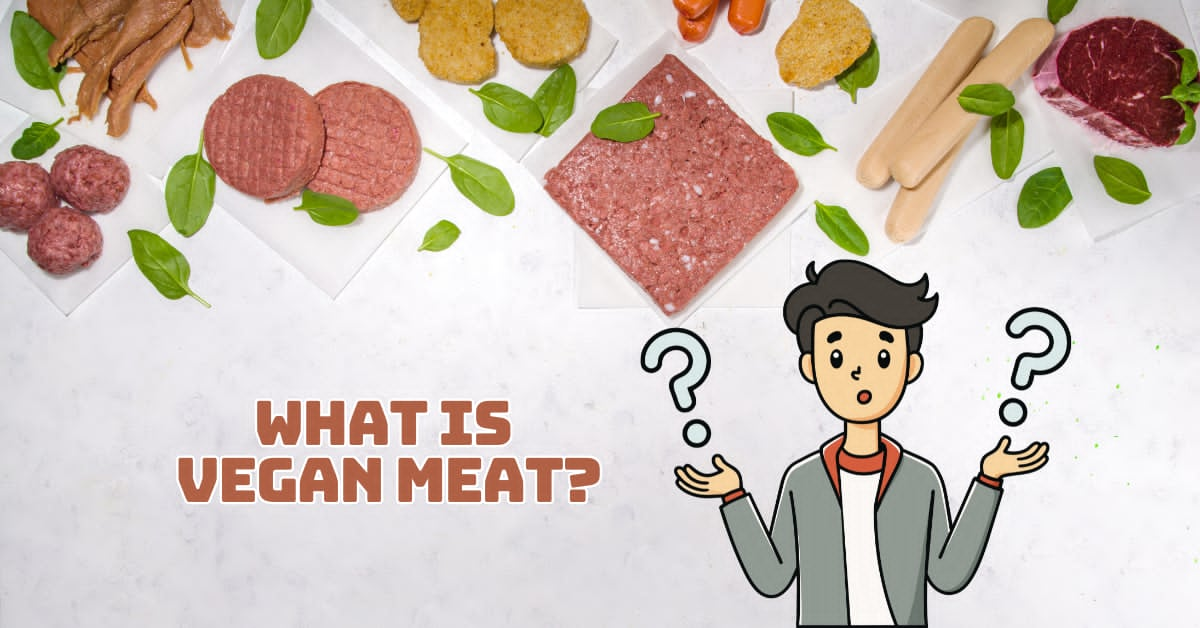
What is vegan meat, and why is it becoming so popular? This plant-based alternative offers a new way to enjoy familiar flavours and textures without using animal products.
In recent years, vegan meat has moved from a niche idea to a widely available option found in restaurants, grocery stores, and home kitchens. It is designed to recreate the taste and texture of traditional meat using plant-derived ingredients.
For many people, this shift is about more than food. It reflects a growing interest in healthier choices, environmental awareness, and a more compassionate way of eating.
In this article, we’ll explore what vegan meat is, how it’s made, and why it has become such an important part of modern plant-based living.
What Is Vegan Meat?
Vegan meat, a captivating convergence of culinary artistry and ethical consciousness, is a gastronomic marvel that has redefined the boundaries of plant-based cuisine.
Imagine sinking your teeth into a juicy burger or savouring the delicious satisfaction of meatballs, all while knowing that no animals were harmed.
Vegan meat embodies a sophisticated blend of plant-derived ingredients, masterful techniques, and scientific innovation.
It artfully transforms legumes, grains, soy, and other natural sources into mouthwatering replicas of familiar meats, capturing the essence of taste, aroma, and texture long associated with animal-derived proteins.
This culinary alchemy not only satisfies the palates of those seeking compassionate dining choices but also offers a nod to environmental stewardship by significantly reducing the ecological footprint of traditional livestock farming.
The beauty of vegan meat lies not only in its gustatory allure but also in its versatility, allowing for the creation of delectable dishes that range from hearty breakfast sausages to succulent barbecue ribs—all without a trace of animal involvement.
As we embark on this culinary exploration, we uncover a compelling world where plant-based innovation harmonizes with ethical consciousness to rewrite the script of our dining experiences and nourish our bodies and souls in remarkable and responsible ways.
Types Of Vegan Meat
In a world where dietary preferences and ethical considerations constantly evolve, vegan meat has emerged as a vibrant and innovative response.
As more individuals seek alternatives to traditional animal products, a diverse array of vegan meats has taken center stage, offering a compelling range of options that are not only delicious but also aligned with sustainability and compassion.
Vegan meat encompasses a captivating tapestry of culinary possibilities, from mouthwatering burger patties that sizzle on the grill to savoury sausages that infuse dishes with rich flavours.
The world of vegan meat is as diverse as it is delicious, offering various options to cater to different tastes and dietary preferences. Here are some prominent types of vegan meat:
1. Vegan Burger Patties
The versatile and delectable vegan burger patties are at the heart of the vegan meat revolution. These plant-powered patties are a cornerstone of plant-based cuisine, showcasing a range of flavours and textures from multiple ingredients.
Crafted with ingenuity, they can feature protein-rich legumes such as black beans, lentils, and chickpeas, offering a satisfying bite and a nutritious punch.
Soy and wheat protein contribute to their meaty texture, ensuring a hearty experience that matches traditional burgers. For those seeking earthy undertones, mushroom-based patties offer a delectable umami essence.
These vegan burger patties are a canvas of creativity. They come in various styles, from the comforting familiarity of a classic patty to the indulgent allure of gourmet options.
Beyond taste, they carry an ethical and environmental impact, embodying a conscious choice that embraces personal well-being and the planet’s health.
With each sizzle on the grill, vegan burger patties beckon a new era of gastronomy—one where culinary innovation and sustainability unite to redefine how we savour a beloved classic.

2. Plant-Based Sausages
Vegan sausages are a symphony of flavour and protein, bringing a delectably savoury twist to plant-based eating.
Crafted from a medley of ingredients, such as soy, wheat, and pea protein, they harness nature’s bounty to create a protein-rich alternative that satisfies the palate and conscience alike.
Infused with aromatic spices, these sausages span a diverse spectrum of flavours—from the fiery allure of heat to the rustic charm of smoke. Versatility defines their character, making them a chameleon in the kitchen.
Whether grilled to perfection, sautéed to aromatic goodness, or showcased as toppings on pizzas and sandwiches, these plant-based sausages dance effortlessly across culinary landscapes.
As they sizzle on the stove, they tell a story of innovation, offering a hearty, wholesome alternative that doesn’t compromise taste or values.
With each savoury bite, they celebrate the art of plant-based dining, showcasing that ethical and epicurean desires can coexist harmoniously on the plate.

3. Meatless Meatballs
Meatless Meatballs: These delightful spheres embody a culinary symphony that marries grains, legumes, and a chorus of seasonings.
Fashioned from a harmonious blend of ingredients such as quinoa, lentils, chickpeas, and https://en.wikipedia.org/wiki/Beyond_Meat herbs and spices, meatless meatballs are a testament to plant-based ingenuity.
These bite-sized wonders are a coveted addition to various gastronomic realms. Nestled atop a bed of pasta, they transform an ordinary dish into a banquet of flavours, and when ensconced within a sub, they embark on a savoury journey that satisfies both palate and principle.
These orbs of plant-based goodness resonate with nostalgia, evoking traditional meatballs’ spirit while showcasing plant-forward cuisine’s creative prowess.
Their versatile nature allows them to take center stage as appetizers at gatherings, inviting guests to indulge in a cruelty-free delight.
With each tender bite, meatless meatballs rewrite the narrative of protein-rich sustenance, proving that the nexus of taste and ethics is an attainable reality.
They stand as a testament to culinary innovation, offering a delectable alternative that beckons all—the curious connoisseur or the dedicated vegan—to partake in a feast that celebrates both palate and planet.

4. Seitan
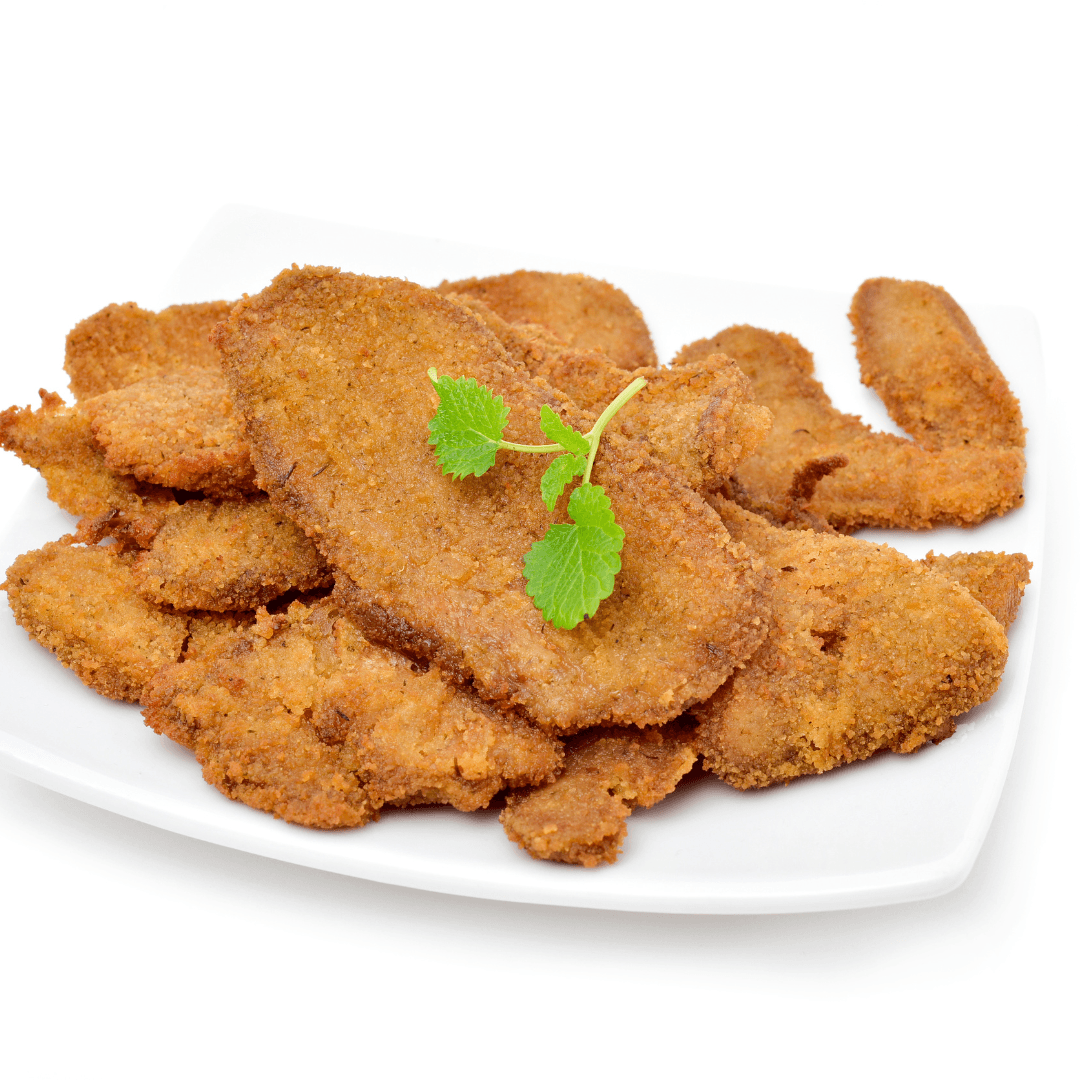
Seitan, the culinary chameleon of the vegan world, emerges as a protein powerhouse with a resolute texture and remarkable versatility.
Derived from the gluten protein found in wheat, seitan undergoes a metamorphosis that bestows it with a chewy demeanour akin to meat.
The alchemical process involves isolating gluten from wheat flour and then transforming it through kneading and rinsing, resulting in a protein-rich mass.
This metamorphic creation is a canvas for the artist in the kitchen, readily absorbing flavours and aromas to become a captivating imitation of diverse meats.
Its chewy resilience is reminiscent of carnivorous indulgence, allowing seitan to be sculpted into cutlets, strips, or chunks that adopt myriad textures under culinary creativity.
From sautéed stir-fries to hearty stews, seitan is an unbeatable contender, absorbing marinades and seasonings to orchestrate taste that mirrors its animal-derived counterparts.
Its umami-rich nature opens a realm of possibilities, making it a favoured choice for those craving the robust savoriness of traditional meats.
Seitan’s nutritional profile boasts a commendable protein content, making it a beloved staple for individuals seeking muscle support without compromising ethical values.
In plant-based cuisine, seitan stands as a resilient and inviting alternative, inviting chefs and enthusiasts alike to sculpt flavours that defy expectations and honour the harmony of taste and conscience.
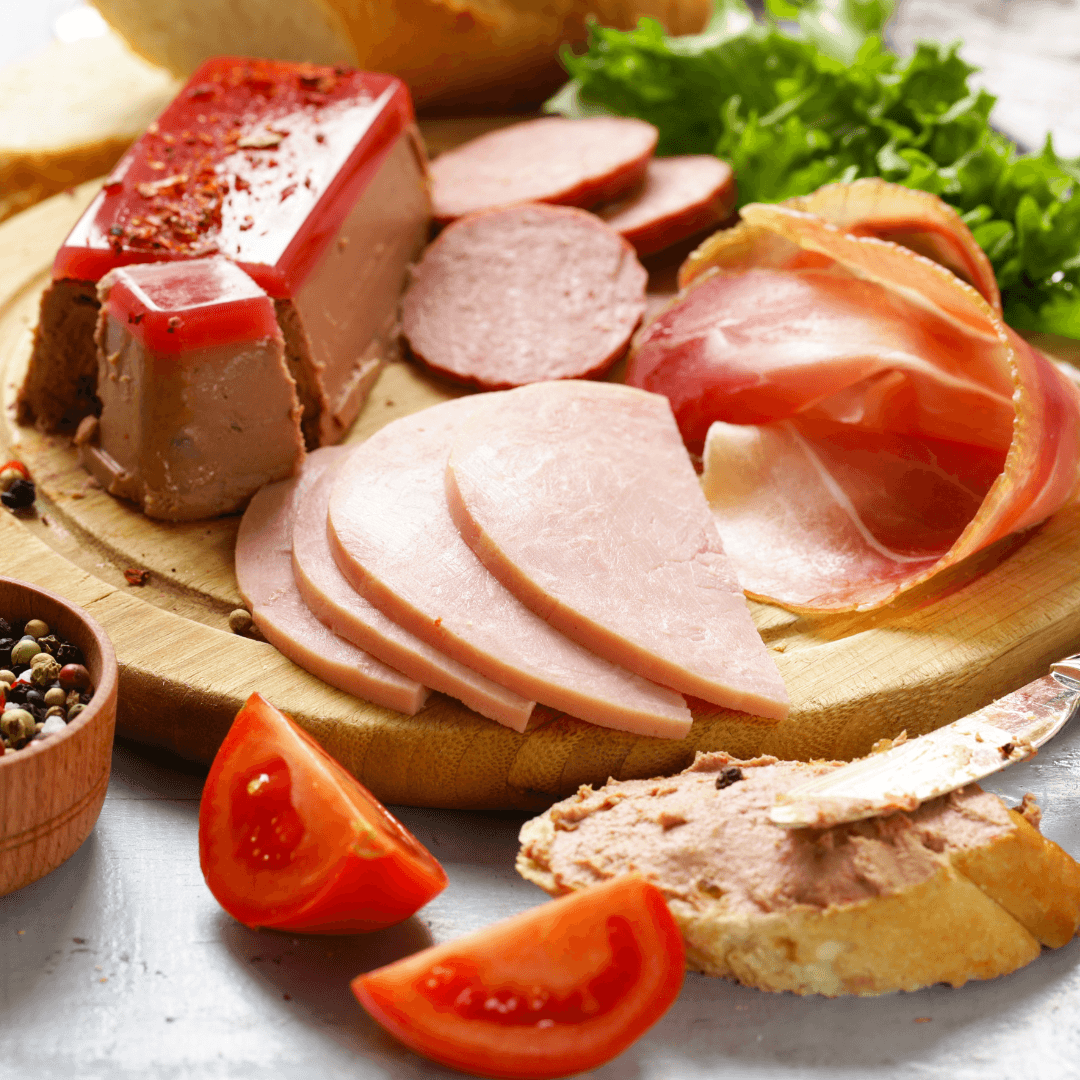
5. Plant-Based Deli Slices
Plant-based deli slices, a testament to culinary innovation, present a flavourful and textured reimagination of the quintessential deli experience.
Crafted with precision and care, these slices elegantly emulate the taste and mouthfeel of traditional deli meats while embracing the virtues of plant-based ingredients.
A symphony of flavours and techniques converges to transform ingredients such as legumes, soy, or wheat protein into a tapestry of taste that mirrors the familiar.
Meticulously seasoned and expertly marinated, these slices capture the essence of a classic deli encounter, rendering them a harmonious partner for sandwiches and wraps.
Their versatility extends beyond lunchtime staples. They gracefully adorn salads and charcuterie boards, breathing life into gatherings and culinary presentations.
The transformative potential of plant-based deli slices lies in their gustatory prowess and contribution to sustainable and compassionate dining choices.
By offering an exquisite alternative to conventional deli meats, these slices invite you to explore flavours anew, fostering a connection between indulgence and ethical awareness.
As the plant-based movement gains momentum, these slices stand as a testament to chefs’ unyielding creativity and the ever-evolving landscape of plant-based cuisine.
They embody a marriage of tradition and innovation that caters to a diverse palate while honouring the planet.
6. Frozen Meat Alternatives
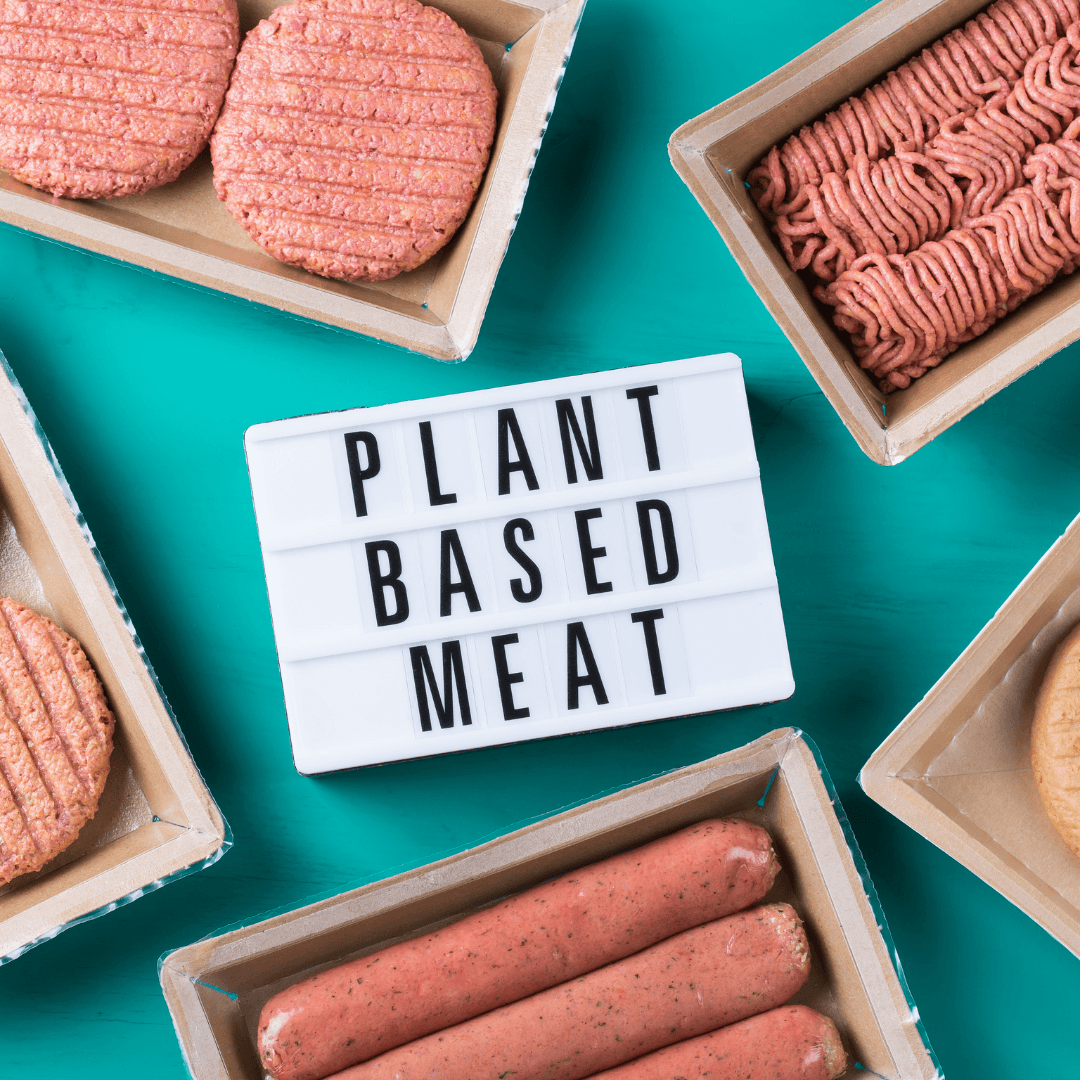
Frozen meat alternatives, a modern culinary marvel, offer a delightful array of convenient and versatile plant-based options that redefine the boundaries of frozen cuisine.
These frozen treasures encompass a spectrum of shapes and textures, from nuggets to tenders and strips, each meticulously crafted to encapsulate the essence of their animal-based counterparts.
The magic unfolds in the artful blending of ingredients such as soy, wheat protein, or legumes, expertly seasoned and textured to replicate the flavours and mouthfeel of traditional meats.
In culinary creativity, these frozen gems act as a canvas, inviting novice and seasoned chefs to infuse their signature style and elevate everyday dishes.
Whether destined for the center of a plate, the heart of a wrap, or the centrepiece of a hearty salad, these frozen alternatives effortlessly adapt to diverse culinary imaginings.
They transform family dinners into feasts, movie nights into culinary adventures, and gatherings into gastronomic celebrations.
Beyond flavour and convenience, frozen meat alternatives symbolize a sustainable choice that champions eco-conscious values and animal welfare.
They promise delectable satisfaction as they thaw and sizzle, delivering a harmonious union of culinary innovation and mindful consumption.
From busy weeknights to leisurely weekends, these frozen treasures stand as a testament to the ingenuity of plant-based cuisine.
They invite us to savour the flavours of the future while nurturing the well-being of our palates and the planet.
Health Benefits Of Vegan Meat
Embracing a plant-based diet has gained widespread recognition for its positive impact on health and the environment.
Within this dietary shift, vegan meat emerges as a versatile and health-conscious choice.
Crafted from various plant sources, vegan meats offer health benefits beyond basic nutrition. Here are the health benefits of consuming vegan meat:
1. Lower Caloric Density
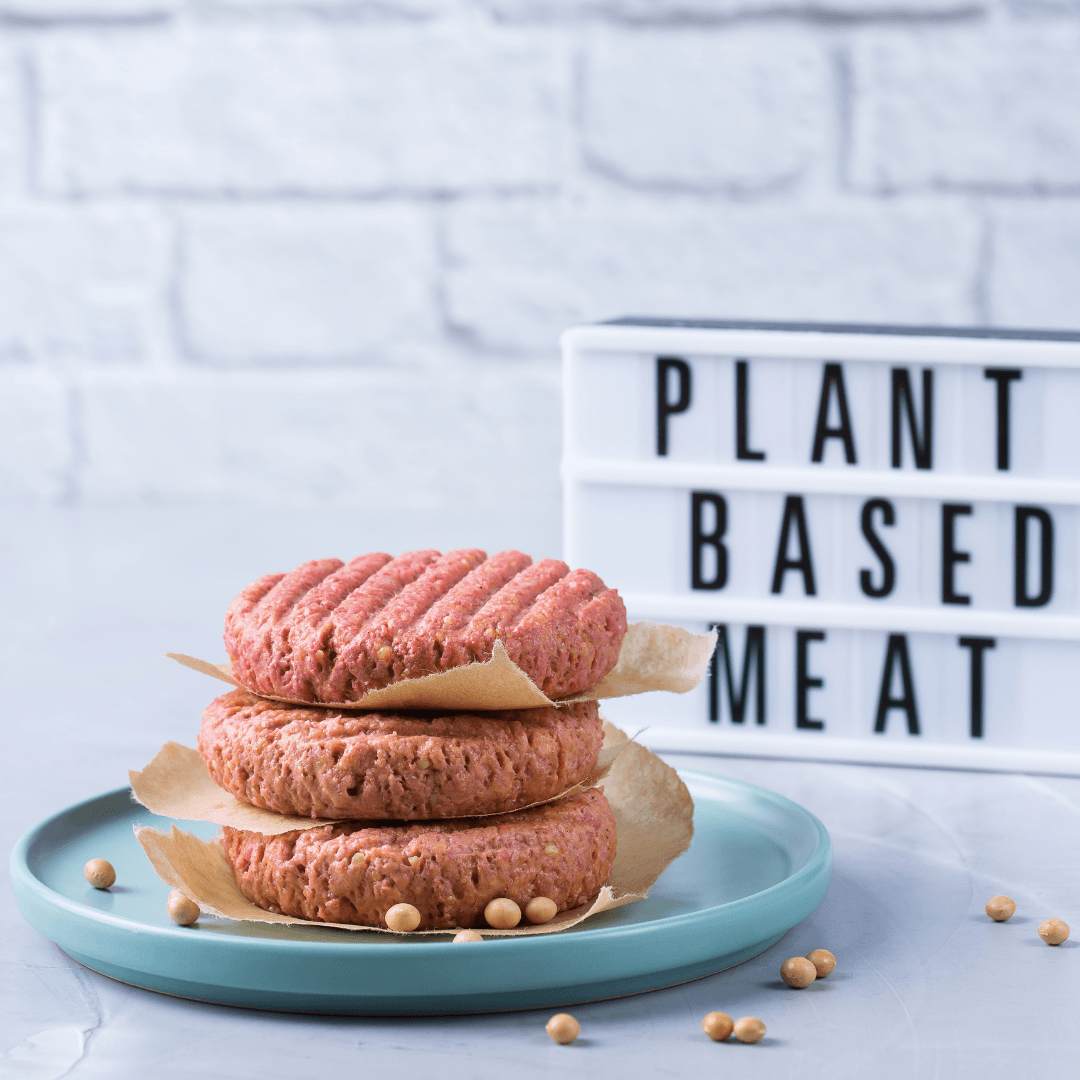
One notable health benefit of vegan meat is its lower caloric density compared to traditional animal-based meats. This characteristic can be particularly advantageous for individuals seeking to maintain a healthy weight.
Plant-based meat alternatives, often derived from legumes, grains, and vegetables, are lower in energy density and provide substantial protein.
This lower caloric load means you can enjoy satisfying, protein-rich meals without excessive calorie intake. Additionally, many vegan meat options are minimally processed, avoiding unhealthy fats and excessive sodium, further contributing to their weight-friendly profile.
By incorporating these lower-calorie alternatives into your diet, you can support your weight-management goals while still indulging in delicious, satisfying meals.

2. Gut Microbiome Support
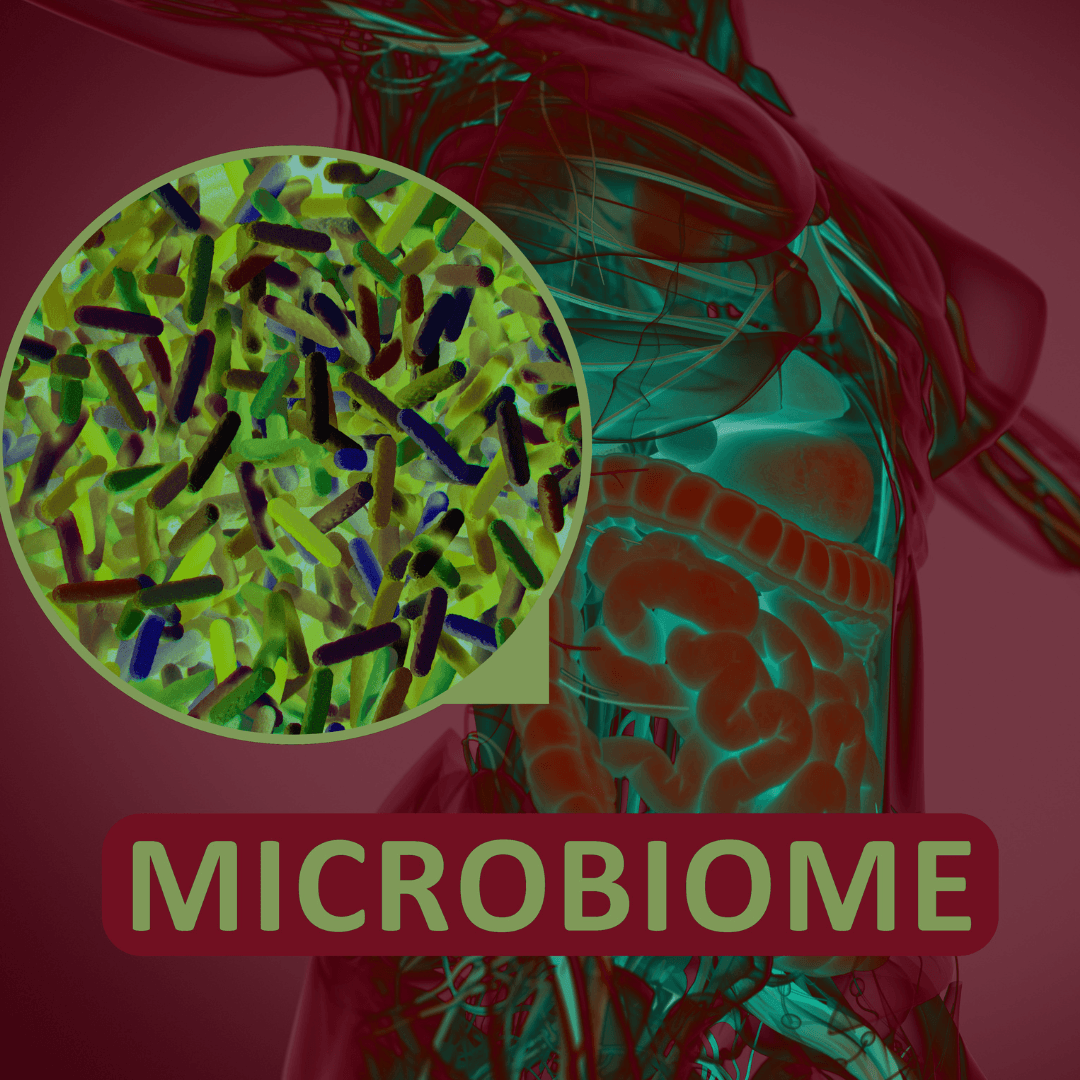
Vegan meats offer a remarkable advantage in supporting a healthy gut microbiome. The plant-based ingredients commonly used in these alternatives, including legumes, whole grains, and vegetables, are packed with prebiotic fibres.
These fibres nourish the beneficial bacteria in your gut, stimulating their growth and activity. A well-balanced and diverse gut microbiome is closely linked to improved digestion, a stronger immune system, and positive mental health outcomes.
Prebiotics fuel the growth of probiotics, the live microorganisms that promote a healthy gut environment. As you enjoy vegan meat options, you’re not only indulging in flavorful, protein-rich dishes but also supporting the flourishing of your gut’s microbial inhabitants.
This support for your gut health can improve nutrient absorption, reduce inflammation, and overall well-being. By choosing vegan meat products enriched with gut-friendly prebiotics, you make a conscious choice for your taste buds and internal health.
3. Blood Sugar Regulation
Vegan meats bring a unique advantage regarding blood sugar regulation. Incorporating ingredients such as legumes and whole grains, which are low on the glycemic index, plays a significant role in maintaining stable blood sugar levels.
Unlike high-glycemic foods, which can lead to rapid spikes and crashes in blood sugar, these plant-based alternatives induce a gradual, sustained increase in blood glucose.
This property is particularly beneficial for individuals with diabetes or anyone seeking to manage their blood sugar levels. By opting for vegan meats, you’re making a proactive choice to support your metabolic health.
The slow, controlled release of glucose into the bloodstream provides sustained energy, prevents sudden sugar crashes, and supports insulin sensitivity. This could contribute to better diabetes management and reduce the risk of related complications.
Whether you’re enjoying a plant-based burger, sausage, or meatball, savouring a delicious meal and embracing a dietary option that promotes blood sugar stability and overall well-being.

4. Reduced Antibiotic Consumption
Embracing vegan meats extends its positive impact beyond personal health, as it reduces broader concerns about antibiotic consumption.
Conventionally raised animals are frequently exposed to antibiotics to promote growth and prevent disease in crowded, often unsanitary conditions.
Consequently, antibiotic residues can find their way into animal-derived products and, eventually, human consumption.
By opting for vegan meats, you actively contribute to diminishing this cycle. Plant-based meat alternatives are inherently antibiotic-free, crafted entirely from plant sources.
This choice aligns with the global effort to curb antibiotic overuse and the development of antibiotic-resistant bacteria, which poses a significant threat to public health.
By making conscious choices on your plate, you help create a healthier future by reducing demand for antibiotics in animal agriculture.
Your decision to enjoy vegan meats benefits your well-being and reflects a broader commitment to sustainable and responsible food choices that support human and environmental health.

5. Enhanced Athletic Performance
For athletes and fitness enthusiasts, the benefits of incorporating vegan meats into their diet extend beyond taste and ethical considerations.
The high-quality plant-based protein in these alternatives is a fundamental building block for optimal athletic performance.
Protein is pivotal in muscle repair, growth, and overall recovery. Vegan meats offer diverse protein sources, including legumes, soy, and grains, each contributing to a well-rounded amino acid profile.
This comprehensive protein makeup supports the body’s ability to repair microtears in muscles during intense workouts, aiding in faster recovery and enhancing muscle growth.
Athletes engaged in strength training or endurance training can harness the power of vegan meats to meet their protein needs, regardless of their dietary choices.
Additionally, the absence of saturated fats often present in animal-derived protein sources can improve cardiovascular health, allowing athletes to optimize their overall well-being.
By embracing vegan meats as part of their nutrition regimen, athletes can capitalize on enhanced muscle recovery, improved muscle growth, and overall better performance while aligning their dietary choices with sustainability and ethical considerations.

6. Mindful Eating
Choosing vegan meats not only transforms mealtime but also cultivates mindful eating. When individuals opt for these plant-based alternatives, they consider the impact of their food choices on the planet and animal welfare.
This heightened awareness extends beyond the plate, fostering a deeper connection with the environment and ethical values.
Mindful eating involves savouring each bite, appreciating the flavours, and acknowledging the origins of the ingredients.
It encourages a pause to reflect on the broader implications of our food consumption, inspiring a shift towards more sustainable and compassionate choices.
As individuals become attuned to the positive changes that embracing vegan meats can bring, they naturally extend this mindfulness to other aspects of their dietary and lifestyle habits, creating a harmonious alignment between personal health, ethical values, and environmental well-being.

Conclusion
In conclusion, vegan meat represents a remarkable innovation in the culinary world, transforming how we approach food.
It embodies the ethos of sustainability, compassion, and health consciousness, offering a range of plant-based alternatives that mimic the taste, texture, and versatility of traditional animal meats.
Beyond its culinary appeal, vegan meat supports a healthier lifestyle by offering lower-calorie options, promoting gut health, regulating blood sugar, and fostering a mindful approach to eating.
As this movement gains momentum, the advent of vegan meat underscores the power of innovation to address not only dietary preferences but broader concerns about the planet and animal welfare.
Ultimately, vegan meat transcends its ingredients, symbolizing the profound changes individuals and society can make in pursuit of a more compassionate, sustainable, and mindful future.
I trust you enjoyed this article on What Is Vegan Meat? A Guide To Plant-Based Alternatives. Please stay tuned for more plant-based recipes, vegan travel tips, and lifestyle inspiration.
Take care!
— JeannetteZ 🌿
💬 Your Opinion Is Important To Me
Do you have thoughts, ideas, or questions? I’d love to hear from you. Please leave your comments below, or email me directly at Jeannette@LivingTheVeganLifestyle.org.
📚 More Vegan Lifestyle Reads
⭐ My #1 Recommendation for Online Success
Sharing my passion for vegan living — from food to fashion — has been such a rewarding journey.
If you’ve ever dreamed of building your own ethical lifestyle brand or blog, this is the best place to start.
🚀 See How Vegan Bloggers Build Online Income — Try WA Free (No Credit Card Needed)
Disclosure
This post may contain affiliate links. As an Amazon Associate and participant in other affiliate programs, I earn from qualifying purchases at no extra cost to you. Please read my full affiliate disclosure.