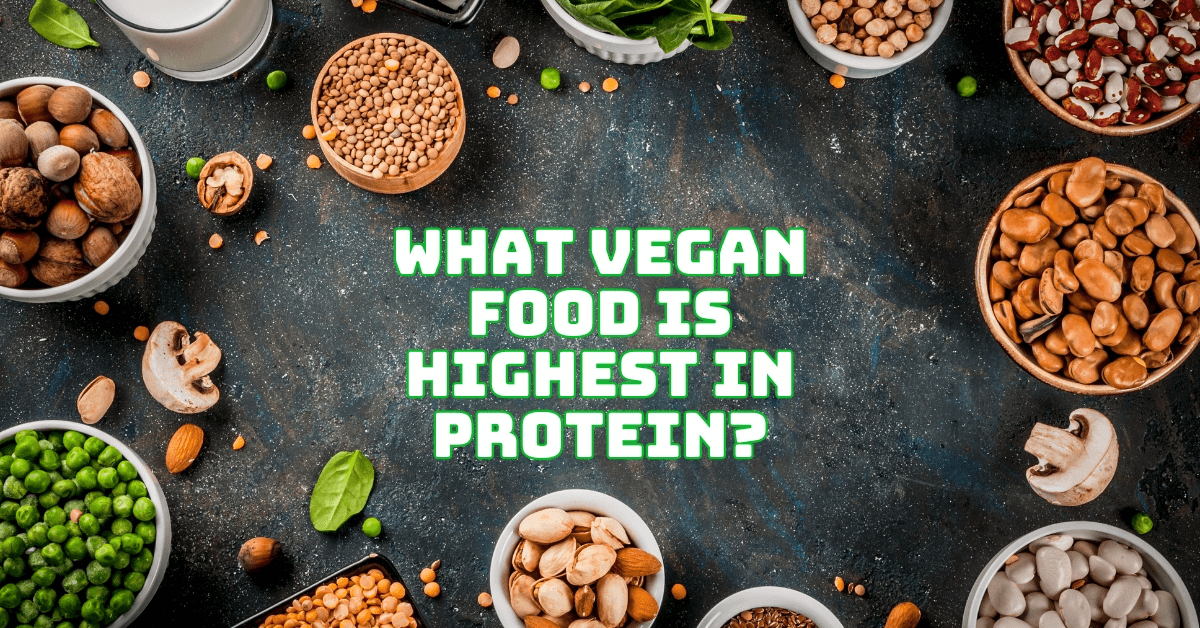
What Vegan Food Is Highest In Protein?
Wondering what vegan food is highest in protein? If you’re following a plant-based diet, knowing your best protein sources matters.
In this guide, we explore what vegan food is highest in protein and highlight simple, nourishing options you can add to your meals.
From legumes and tofu to seeds and whole grains, you’ll discover satisfying foods that support strength, energy, and overall wellness.
Whether you’re new to plant-based eating or have been vegan for years, these protein-rich choices can help you feel confident about meeting your nutritional needs.
Importance Of Consuming Protein For Vegan People
Protein is a fundamental component of a healthy diet, playing a critical role in various bodily functions. For individuals following a vegan lifestyle, ensuring adequate protein intake is essential for several reasons:
1. Muscle Maintenance And Growth
Protein is vital for repairing and building muscles, especially for physically active people. Vegan athletes and fitness enthusiasts need sufficient protein to train and recover.
2. Enzyme And Hormone Production
Proteins are the building blocks of enzymes and hormones, which regulate numerous bodily processes, including metabolism, immune response, and mood.
3. Immune System Support
Eating adequate protein supports a robust immune system, enabling the body to combat illnesses and infections effectively.
4. Nutrient Transport And Storage
Proteins transport essential nutrients and oxygen throughout the body, ensuring all cells function optimally.
5. Energy Source
While carbohydrates and fats are primary energy sources, protein can also be used for energy, especially during intense physical activity or when calorie intake is restricted.
6. Preventing Deficiencies
Consuming a variety of protein-rich vegan foods helps prevent deficiencies in essential amino acids, which the body cannot produce on its own. This is essential to preserving general health and well-being.
By including various high-protein plant foods, vegans can easily meet their protein demands and reap the many advantages of a well-rounded, nutrient-dense diet.
List Of Vegan Foods Highest In Protein
For a high-protein vegan diet, consider these top foods. They provide essential protein and other nutrients while supporting muscle growth and overall health.
1. Lentils
Lentils pack around 18 grams of protein per cooked cup and are rich in fibre, iron, and folate. They are versatile in use, enhancing soups, stews, and salads and can even be transformed into hearty lentil burgers.
Recipe Idea: Lentil Soup
Ingredients: Lentils, carrots, celery, onions, garlic, vegetable broth, tomatoes, and spices.
Method: Sauté the vegetables, add the lentils and broth, and simmer until the lentils are tender. Season to taste.
Explore our articles on the 10 Best Vegan Lentil Recipes For Your Kids & the 6 Best Vegan Lentil Recipes For Your Kids
2. Seitan
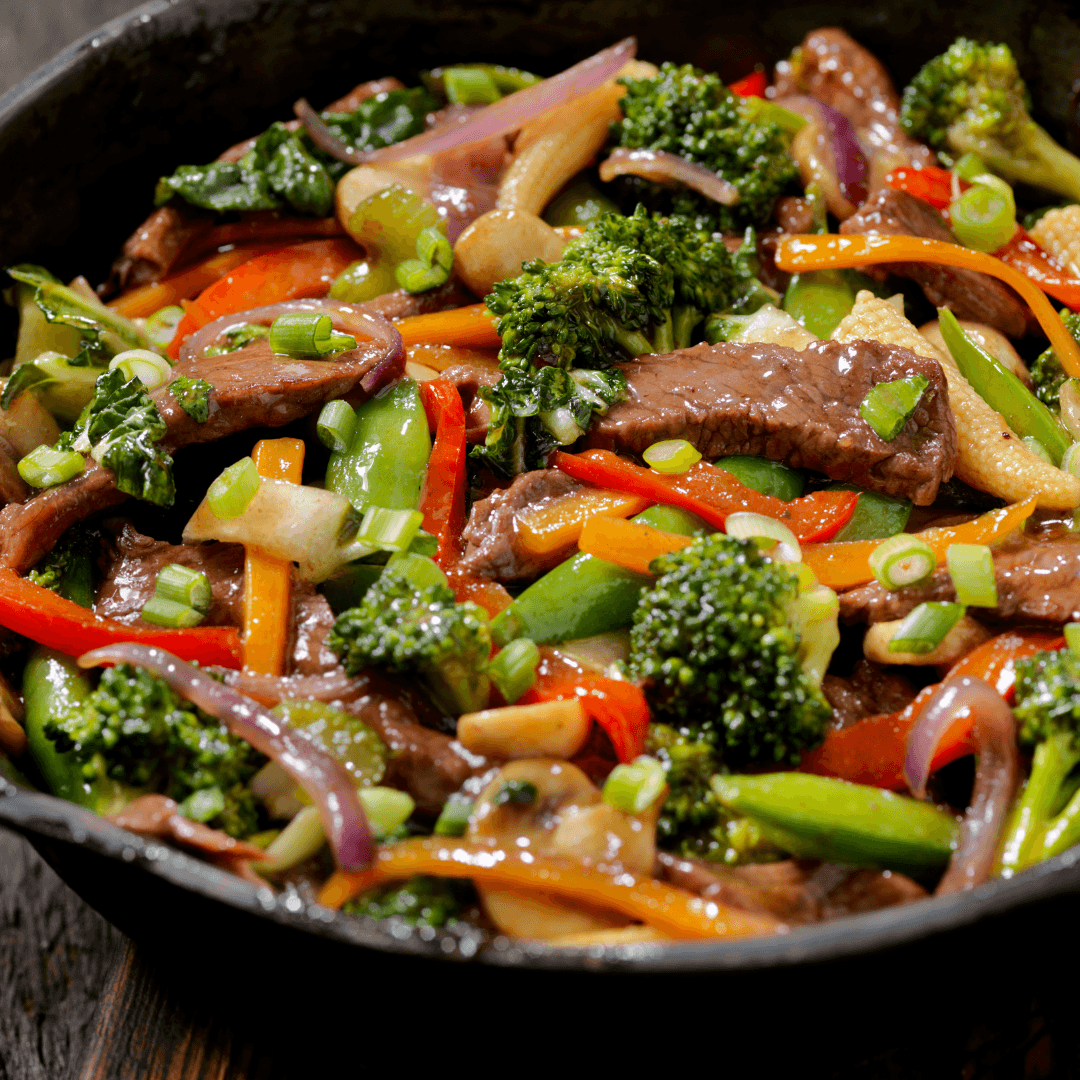
Seitan, or wheat gluten, offers about 25 grams of protein per 100 grams. Its chewy, meat-like texture makes it a versatile ingredient that can replace meat in stir-fries, sandwiches, and other savoury dishes.
Recipe Idea: Seitan Stir-Fry
Ingredients: Seitan, bell peppers, onions, broccoli, soy sauce, garlic, and ginger.
Method: Sauté the seitan and vegetables, add soy sauce, garlic, and ginger, and cook until the vegetables are tender.
3. Tofu
Tofu, made from soybeans, delivers around 8 grams of protein per 100 grams. Its mild flavour and adaptable texture make it ideal for a variety of dishes, from stir-fries and soups to smoothies and desserts.
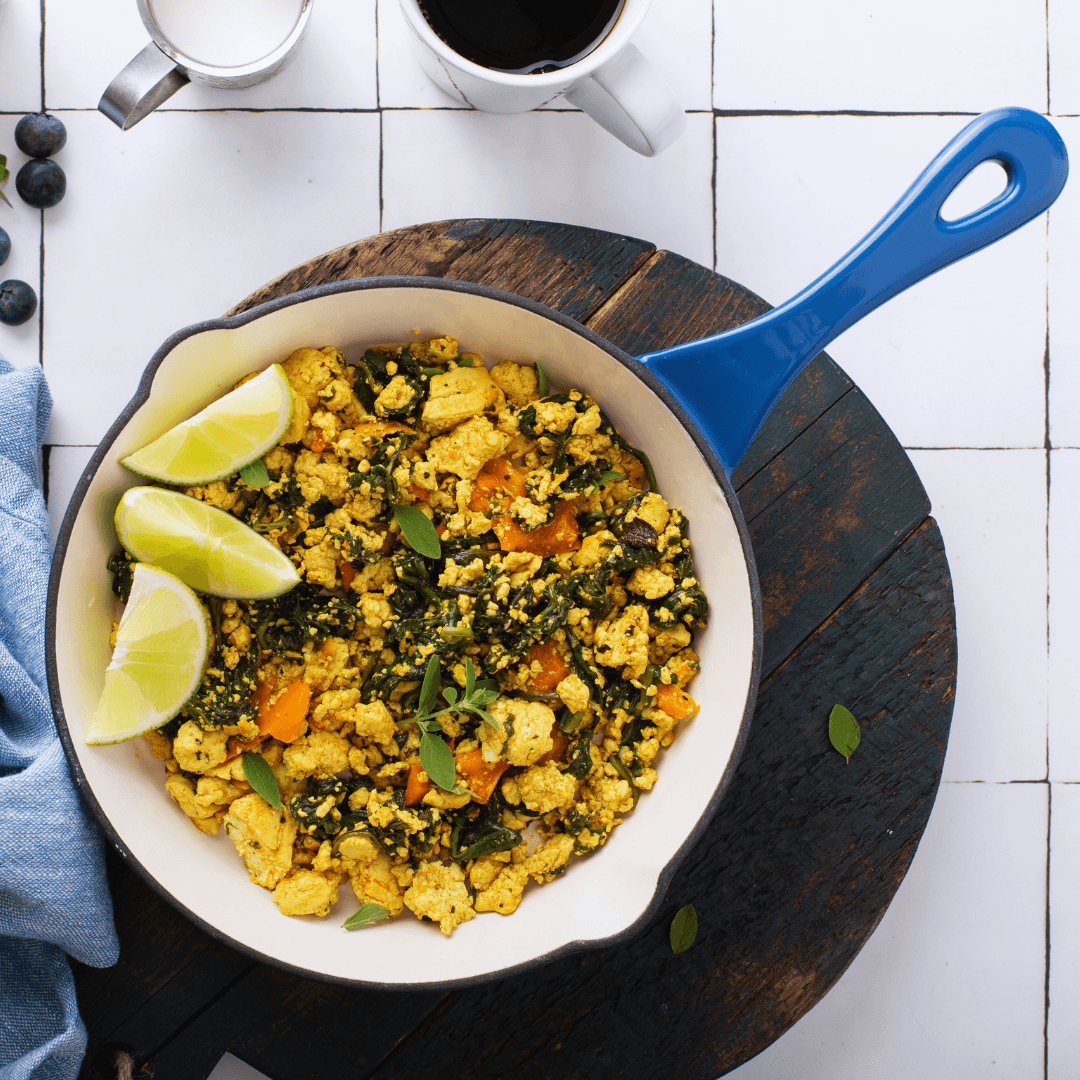
Recipe Idea: Tofu Scramble
Ingredients: Tofu, turmeric, nutritional yeast, spinach, tomatoes, onions, and spices.
Method: Sauté the onions and tomatoes, crumble the tofu, add turmeric and nutritional yeast, mix in the spinach, and cook until heated through.
Explore our articles on the Delicious Vegan Recipes With Tofu & the Simple Vegan Tofu Recipes For Your Kids
4. Tempeh
Tempeh offers about 19 grams of protein per 100 grams and features a firm texture with a nutty flavour. It's a versatile ingredient that works well in stir-fries or salads and as a meat substitute in various dishes.
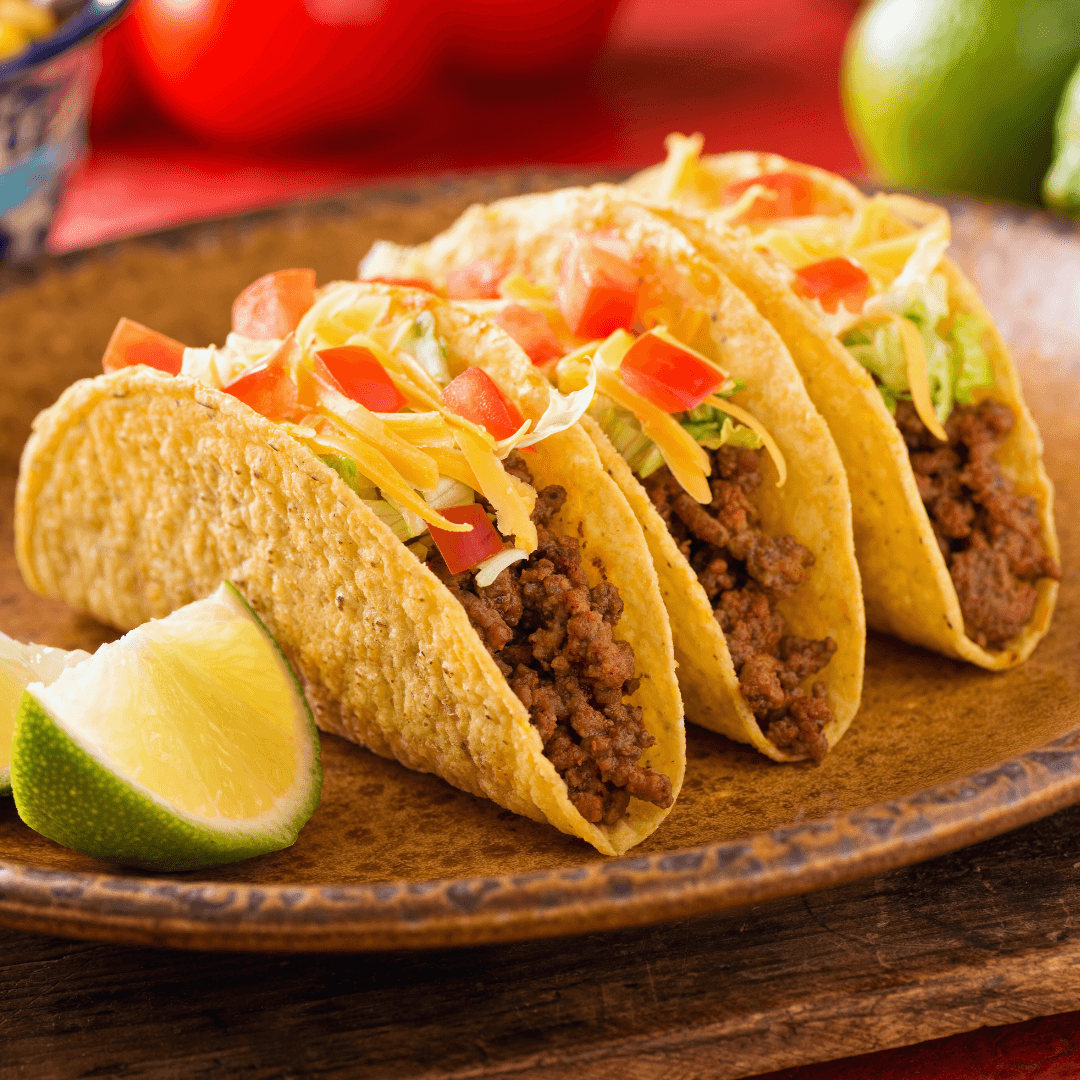
Recipe Idea: Tempeh Tacos
Ingredients: Tempeh, taco seasoning, lettuce, tomatoes, avocado, tortillas.
Method: Crumble and sauté the tempeh with taco seasoning. Fill the tortillas with tempeh, lettuce, tomatoes, and avocado.
5. Edamame
Edamame, young soybeans, provide around 11 grams of protein per 100 grams. These mild green beans are great as an appetizer or as a protein boost to salads, stir-fries, and other recipes.
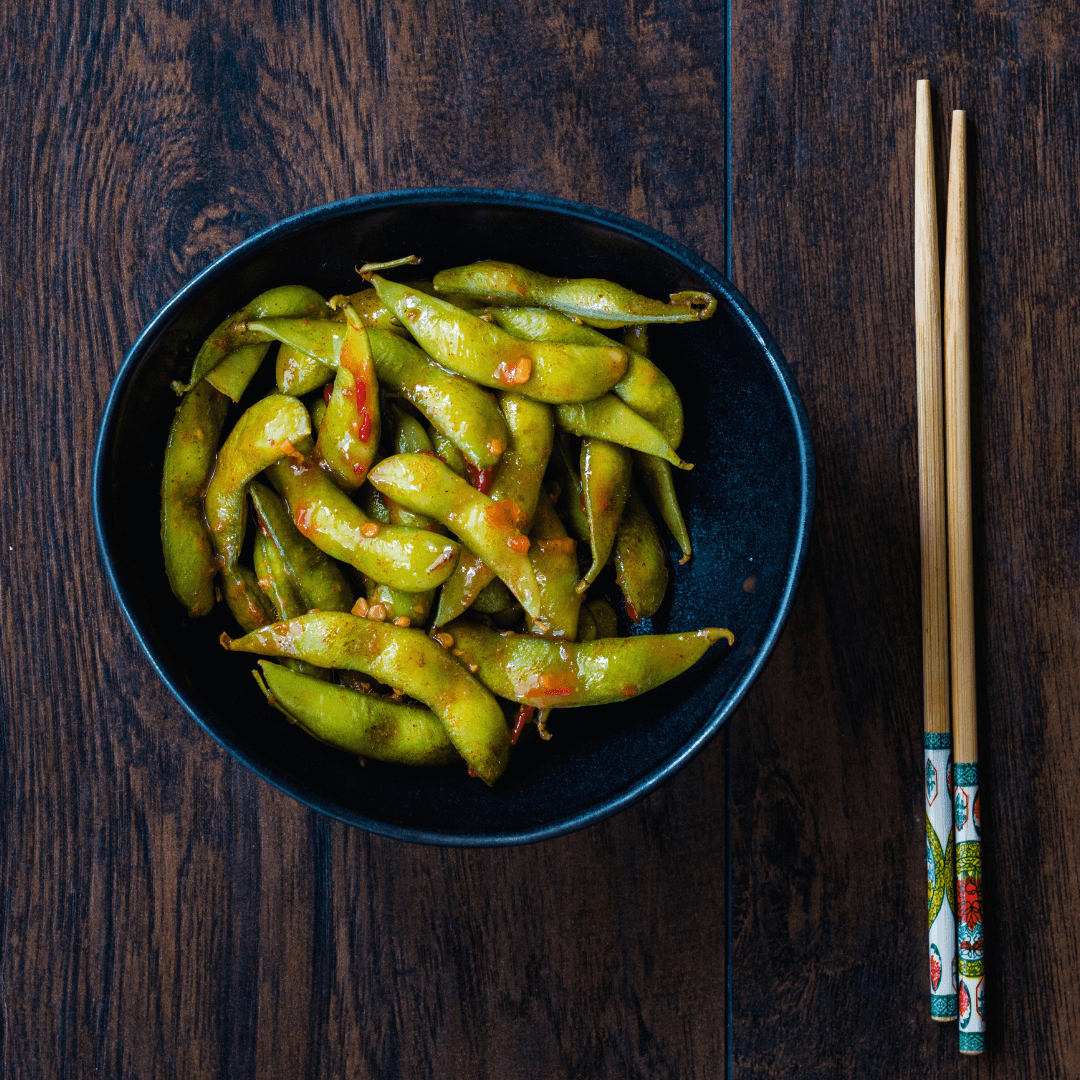
Recipe Idea: Spicy Edamame
Ingredients: Edamame, garlic, soy sauce, chilli flakes, sesame oil.
Method: Sauté the garlic in sesame oil, add the edamame and soy sauce, sprinkle with chilli flakes, and cook until heated through.
6. Chickpeas
Chickpeas offer about 7.5 grams of protein per 100 grams and are rich in fibre, iron, and magnesium. They're versatile for salads, soups, and stews or can be used to make hummus and other delicious dishes.
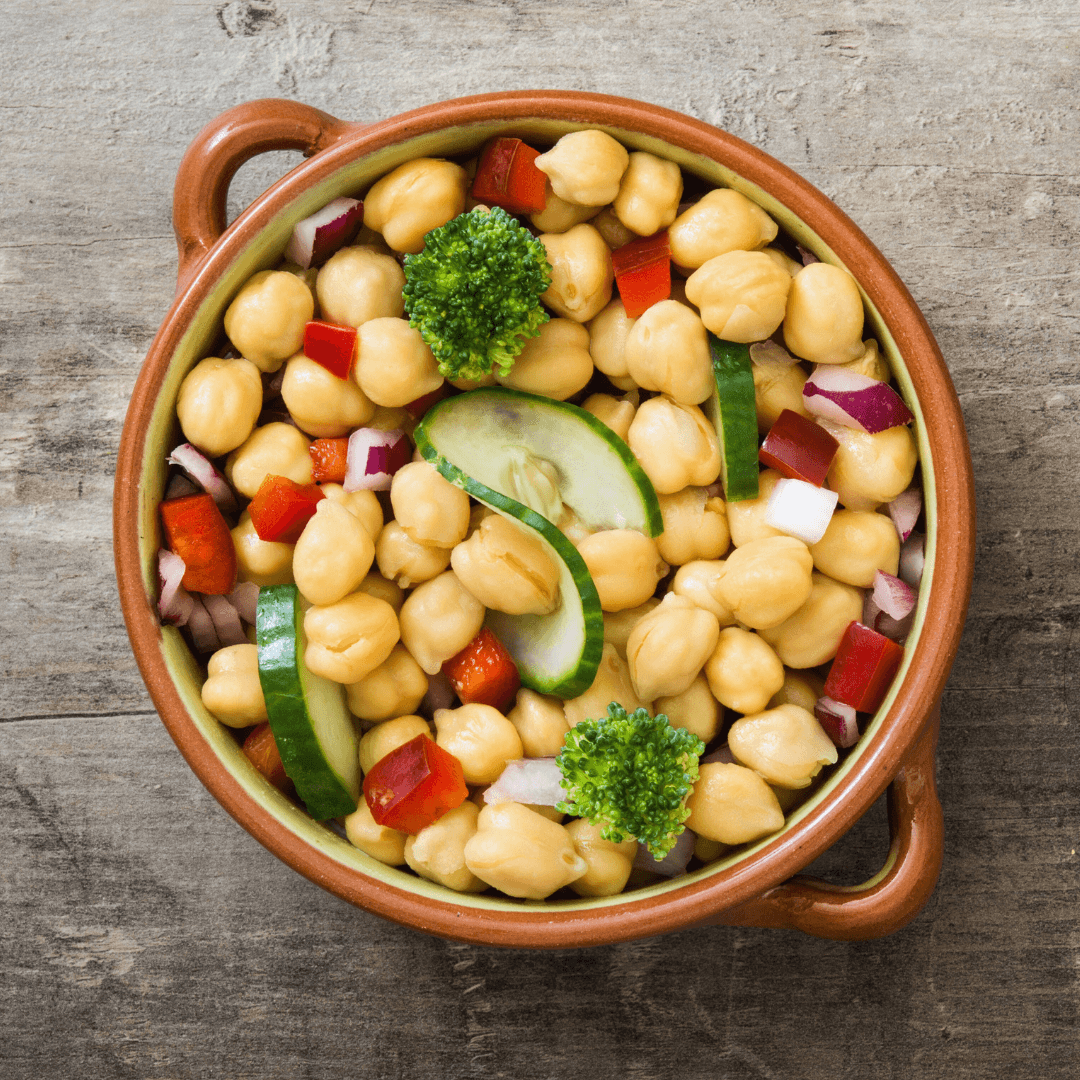
Recipe Idea: Chickpea Salad
Ingredients: Chickpeas, cucumber, tomatoes, red onion, lemon juice, olive oil, parsley.
Method: Add chopped vegetables to the chickpeas, toss to mix, and sprinkle with olive oil and lemon juice. Season the chickpea salad with salt and pepper.
You might want to try our Delicious Vegan Recipes With Chickpeas & 7 Delicious Vegan Chickpea Recipes For Your Kids
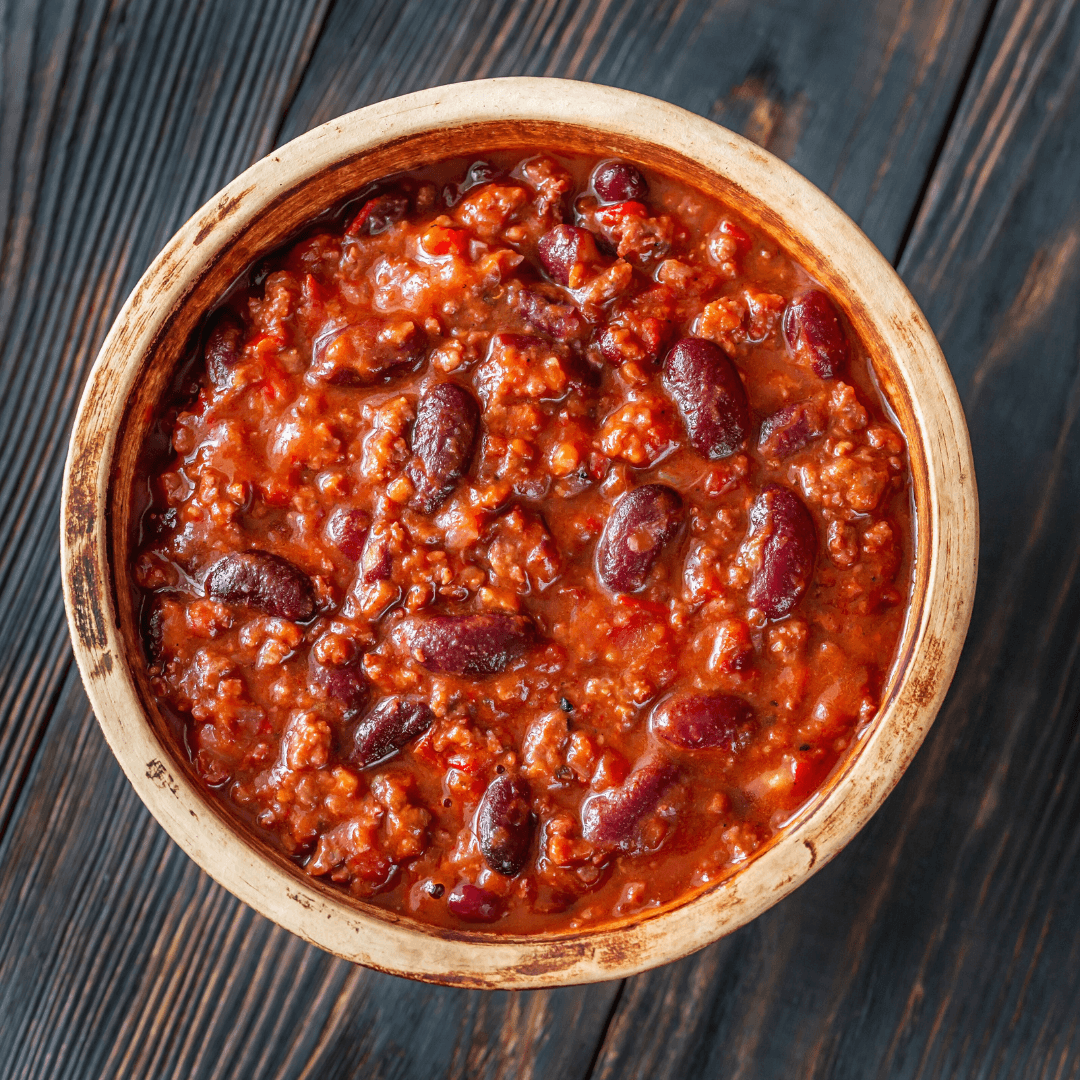
7. Black Beans
Black beans contain about 8.9 grams of protein per 100 grams and are packed with fibre and antioxidants. They are great in soups or salads and as a meat substitute in various recipes for added nutrition.
Recipe Idea: Black Bean Chilli
Ingredients: Black beans, onions, bell peppers, tomatoes, chilli powder, cumin, garlic.
Method: Sauté onions and bell peppers, add black beans, tomatoes, and spices, and simmer until flavours meld.
Please try our 6 Best Black Bean Veggie Burger Recipes For Your Kids
8. Quinoa
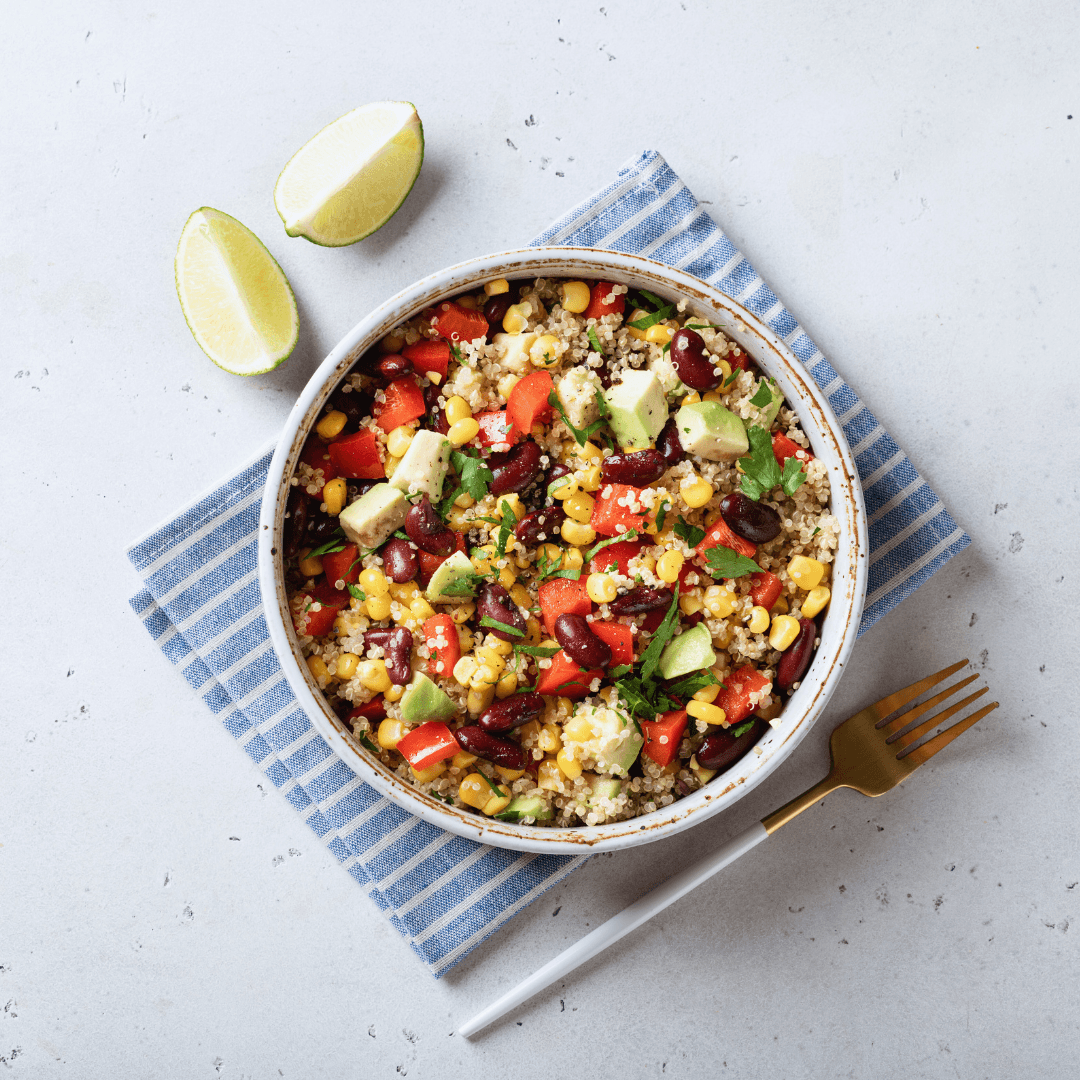
Quinoa has all nine essential amino acids, making it a complete protein. Each cooked cup provides about 8 grams of protein. Its versatility makes it a nutritious addition to salad bowls and a base for various dishes.
Recipe Idea: Quinoa Salad
Ingredients: Quinoa, cucumber, bell peppers, red onion, lemon juice, olive oil, and mint.
Method: Cook the quinoa, combine it with the chopped veggies, add lemon juice and olive oil, season with salt and pepper, then add mint to the mix.
9. Hemp Seeds
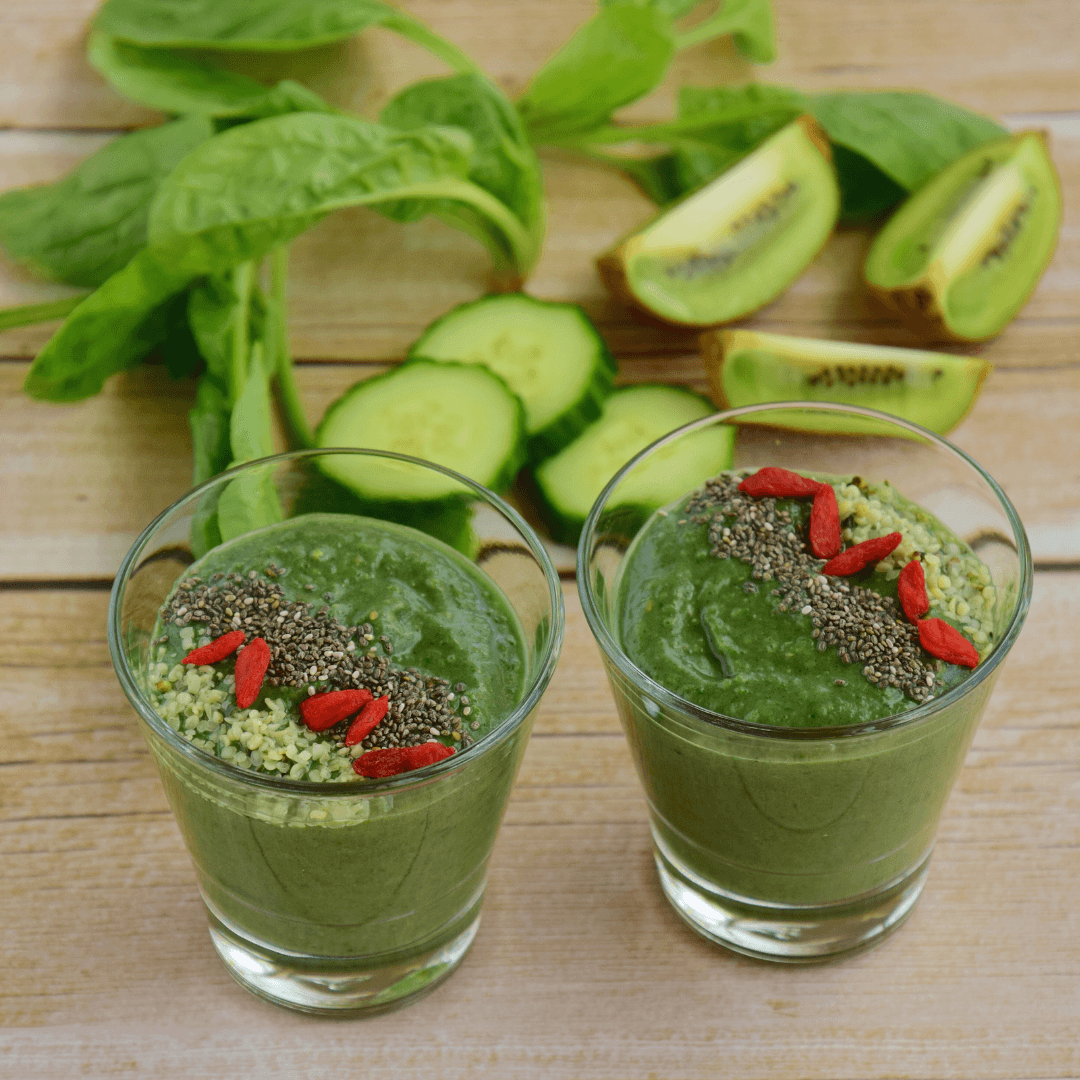
Hemp seeds provide about 31.6 grams of protein per 100 grams and are packed with omega-3 and omega-6 fatty acids. They are excellent for adding to smoothies or salads and as a nutritious topping for various dishes.
Recipe Idea: Hemp Seed Smoothie
Ingredients: Hemp seeds, banana, spinach, almond milk, chia seeds.
Method: After blending everything until smooth, serve.
10. Chia Seeds
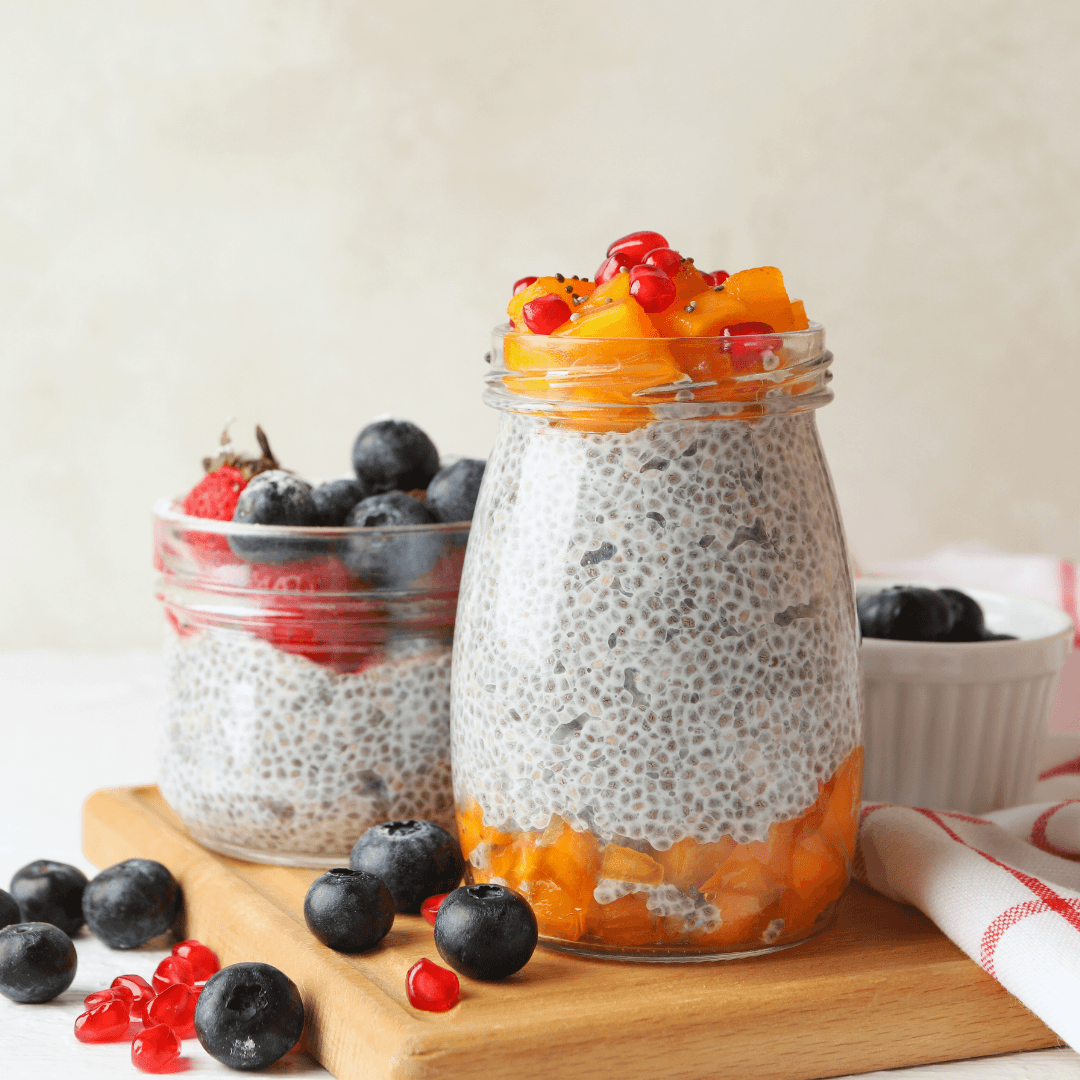
Chia seeds offer around 16.5 grams of protein per 100 grams and are rich in fibre and omega-3 fatty acids. They are good for adding to smoothies or yogurt, and a nutritious addition to baked goods and puddings.
Recipe Idea: Chia Pudding
Ingredients: Chia seeds, almond milk, vanilla extract, and maple syrup.
Method: Mix chia seeds with almond milk, vanilla extract, and maple syrup, refrigerate overnight, and serve chilled.
11. Peas
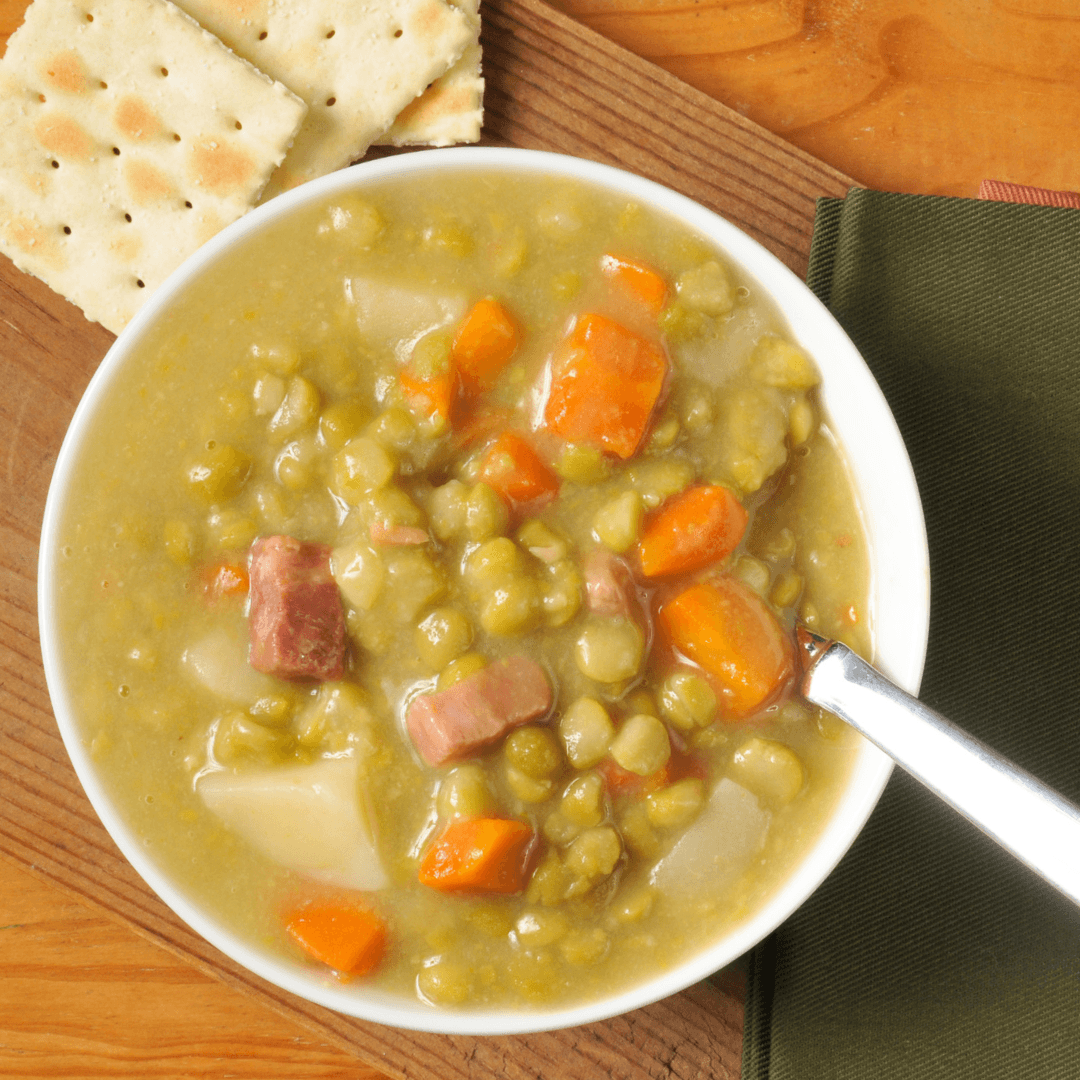
Peas provide about 5 grams of protein per 100 grams and are rich in vitamins A, K, and C, as well as minerals like iron and magnesium. They are versatile in soups, stews, and as a side dish.
Recipe Idea: Pea Soup
Ingredients: Peas, onions, garlic, vegetable broth, mint, lemon juice.
Method: Simmer the peas in the stock until they are cooked, then add the onions and garlic, mix until smooth, and squeeze in the lemon and mint.
12. Pumpkin Seeds
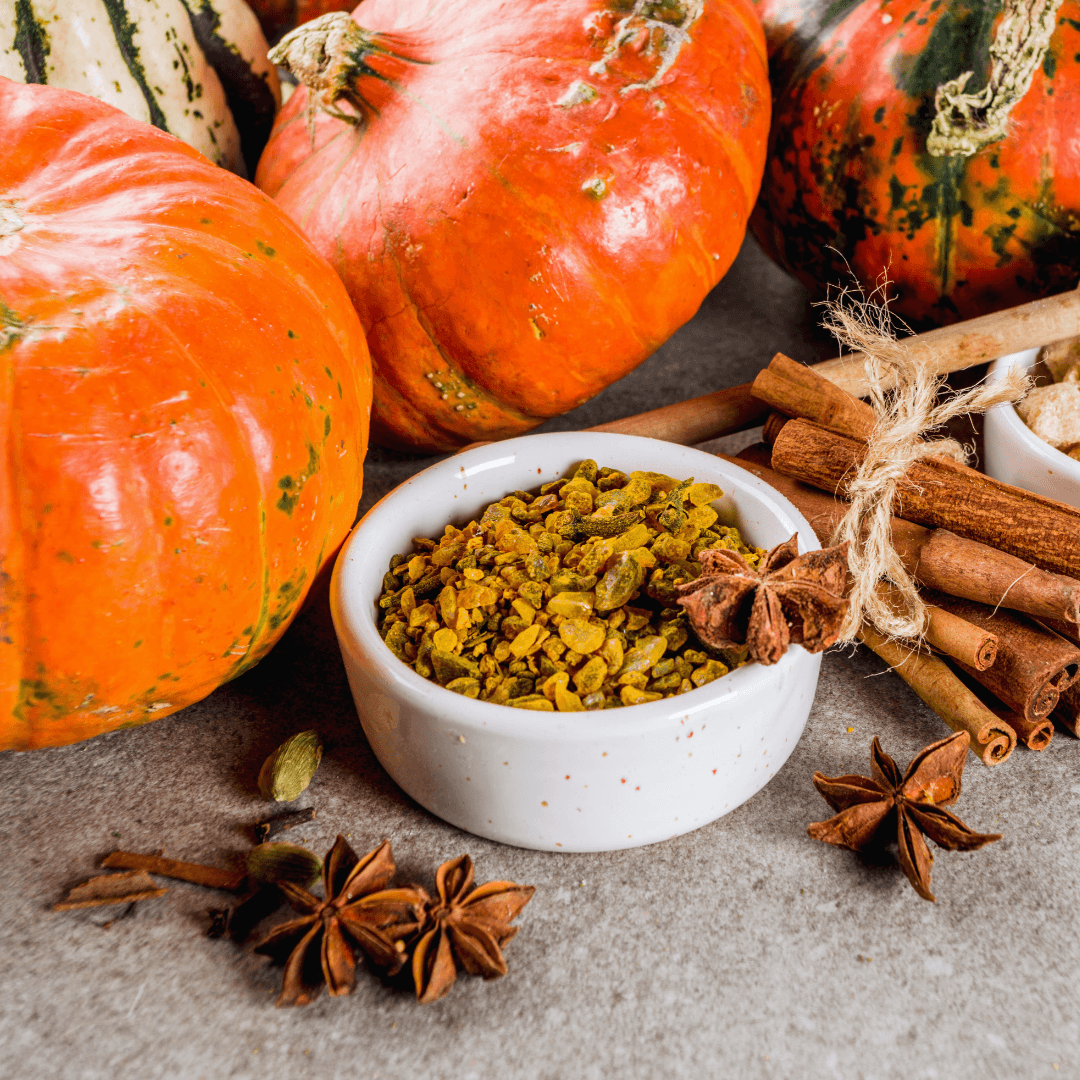
Pumpkin seeds are a high-protein snack, providing about 19 grams of protein per 100 grams. They are also rich in magnesium, zinc, and healthy fats.
Recipe Idea: Spiced Pumpkin Seeds
Ingredients: Pumpkin seeds, olive oil, salt, smoked paprika, and cumin.
Method: Scatter the pumpkin seeds onto a baking sheet, mix in the spices and olive oil, and roast at 350°F (175°C) for 15 to 20 minutes, stirring occasionally.
13. Almonds
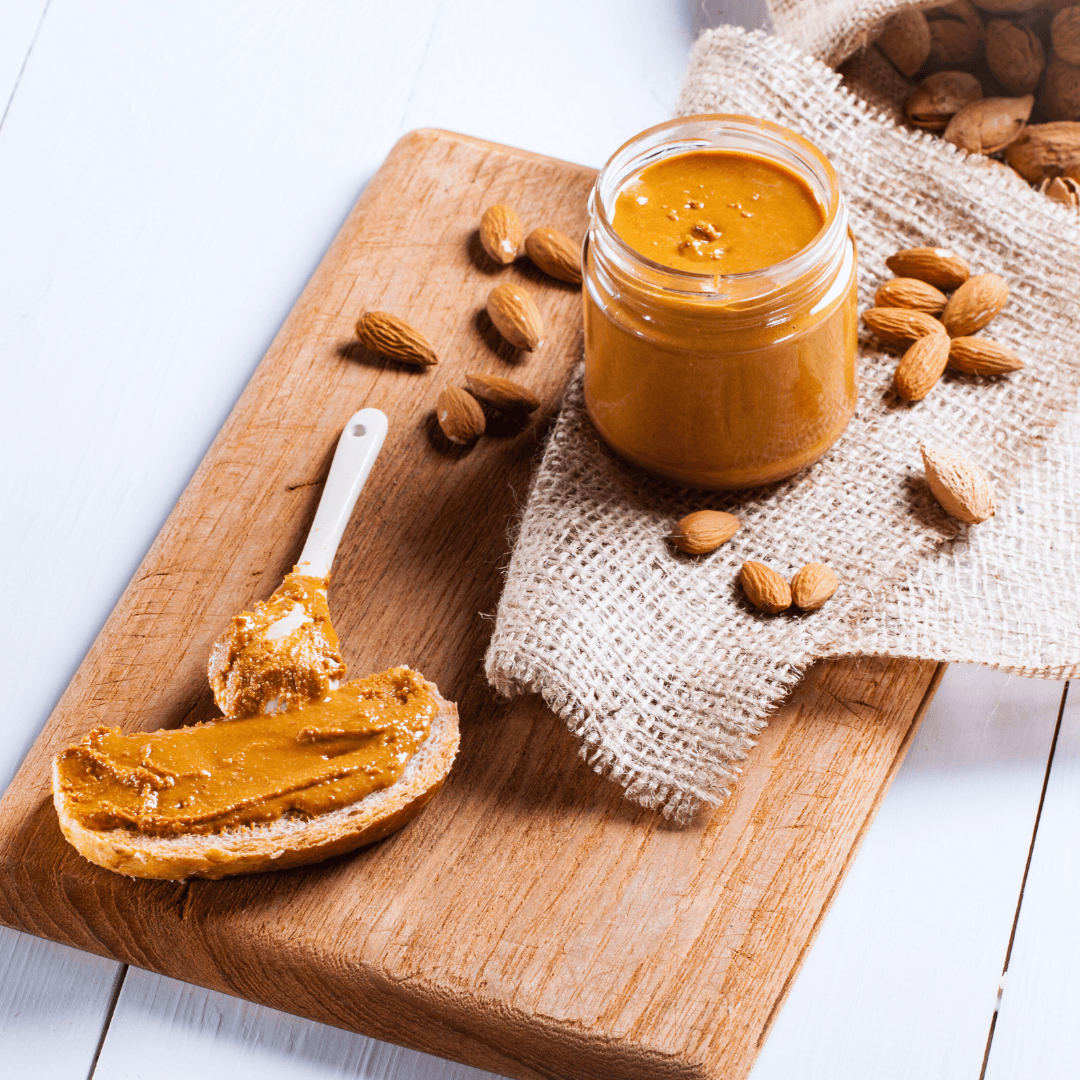
Almonds provide about 21 grams of protein per 100 grams and are rich in healthy fats, fibre, and vitamin E. They offer extra protein and crunch to salads, smoothies, and baked goods, or they can be a healthy snack.
Recipe Idea: Almond Butter Spread
Ingredients: Almonds, sea salt, and maple syrup (optional).
Method: Roast almonds at 350°F (175°C) for 10-15 minutes, then blend in a food processor until smooth, adding salt and maple syrup to taste.
Explore our 9 Best Chocolate Almond Recipes For Your Kids
14. Spirulina
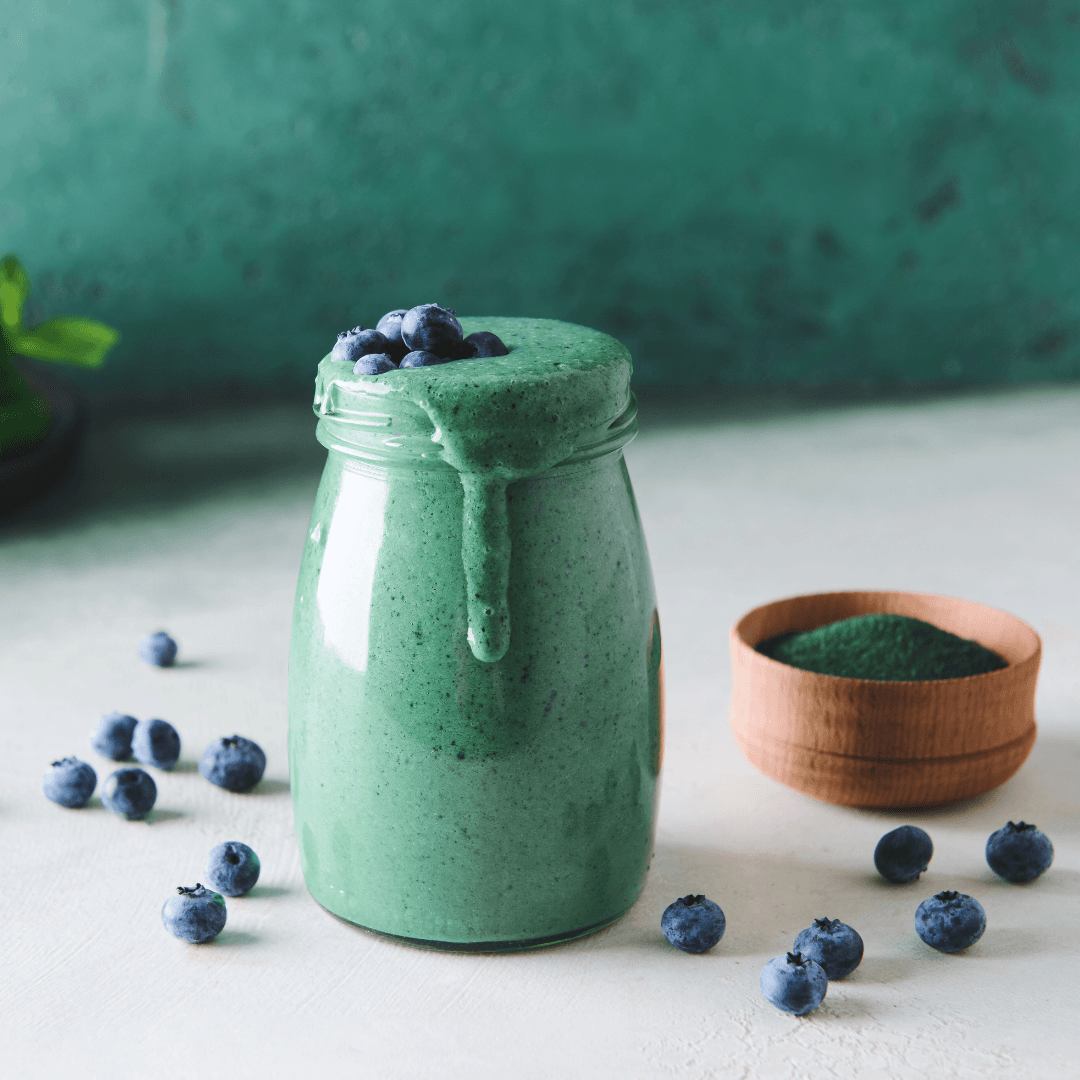
Spirulina, a type of blue-green algae, contains about 57 grams of protein per 100 grams. It has high levels of antioxidants, vitamins, and minerals.
Recipe Idea: Spirulina Smoothie
Ingredients: Spirulina powder, banana, spinach, coconut water, pineapple.
Method: Combine all ingredients in a blender until smooth, then serve.
15. Amaranth
Amaranth, a pseudocereal, offers around 9 grams of protein per cup. It's also rich in iron, magnesium, and fibre, making it a nutritious addition to soups or salads and as a base for various grain-based dishes.
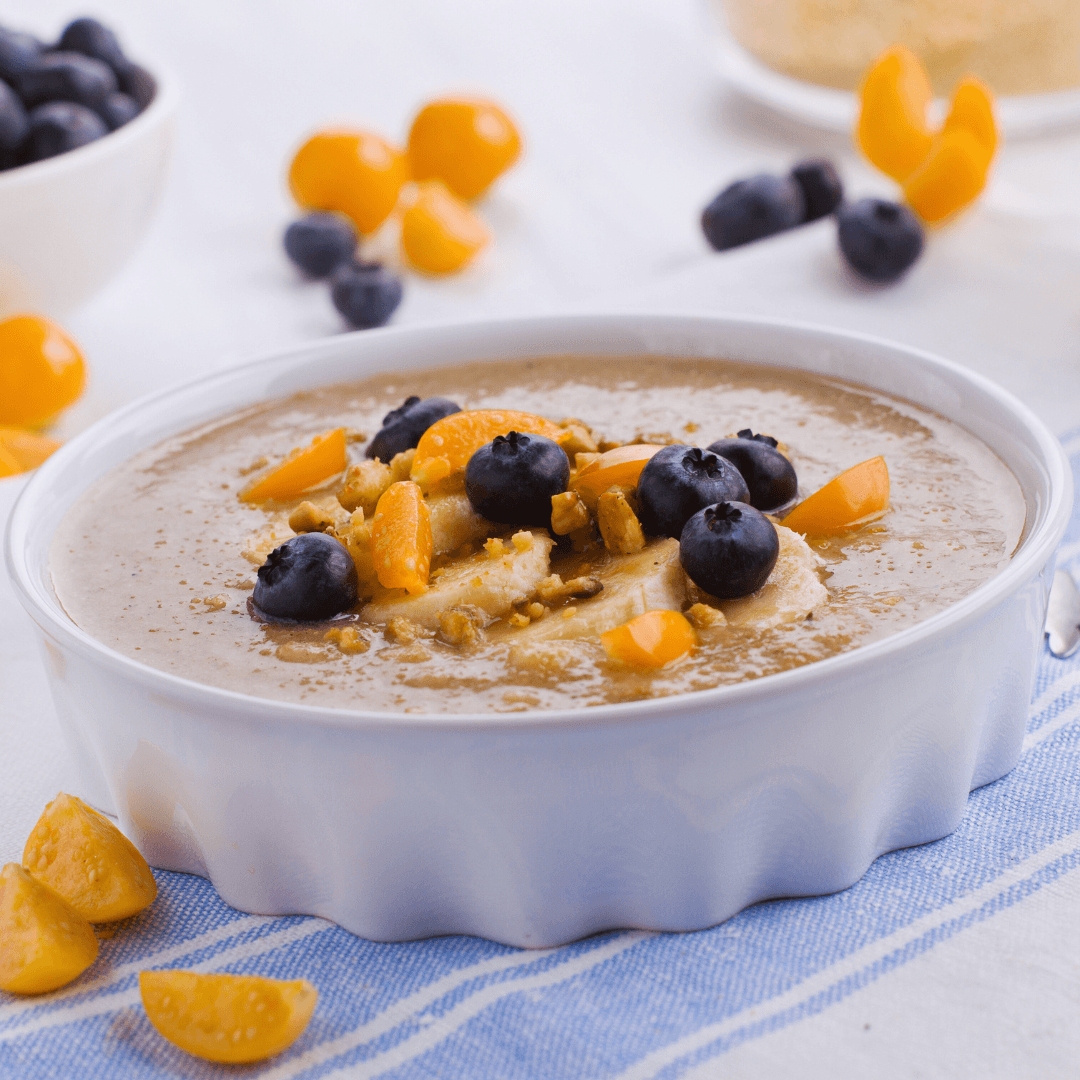
Recipe Idea: Amaranth Porridge
Ingredients: Amaranth, almond milk, cinnamon, maple syrup, berries.
Method: Cook amaranth in almond milk with a pinch of cinnamon, sweeten with maple syrup, and top with fresh berries.
16. Sunflower Seeds
Sunflower seeds offer approximately 21 grams of protein per 100 grams. They are also great sources of vitamin E, magnesium, and healthy fats.
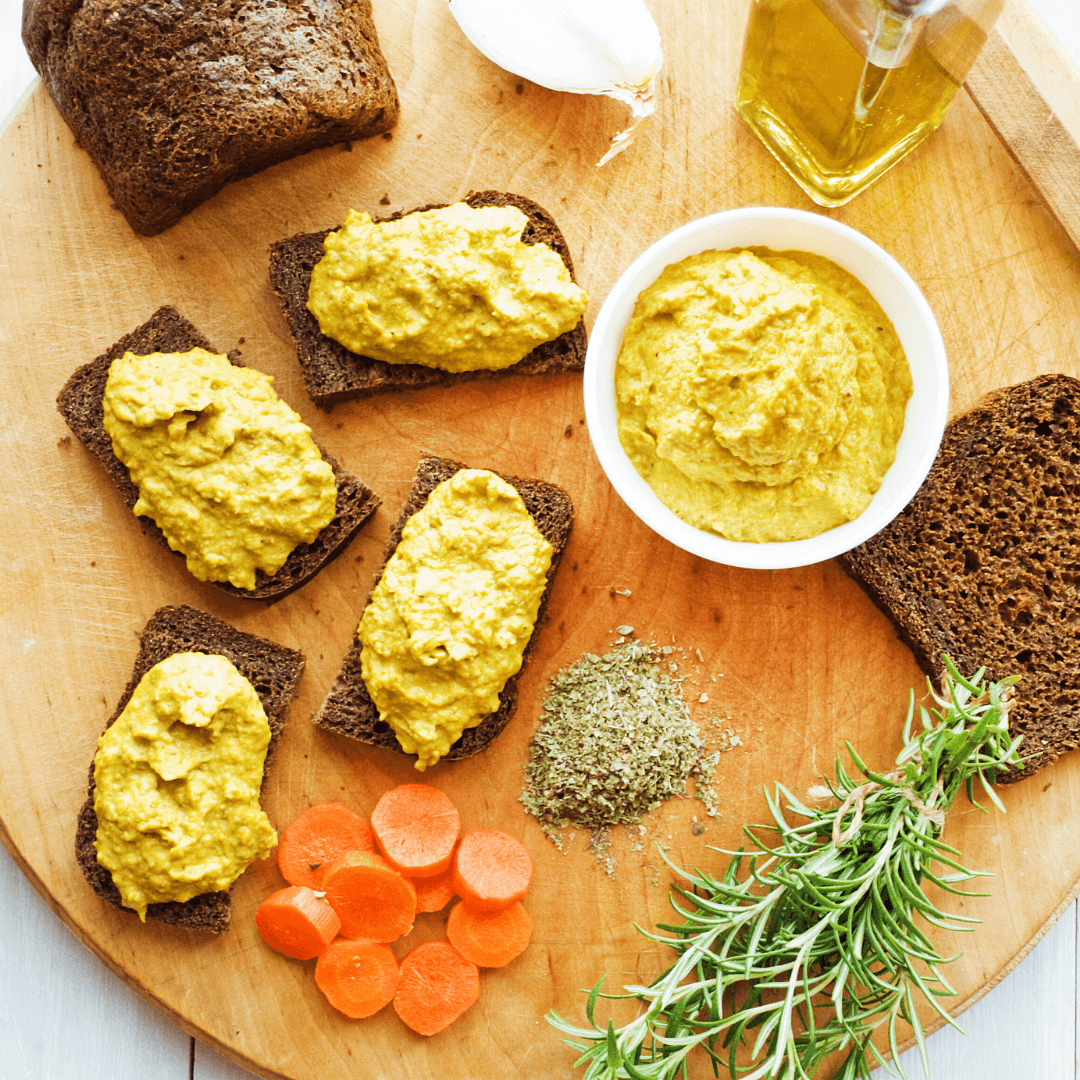
Recipe Idea: Sunflower Seed Pâté
Ingredients: Sunflower seeds, garlic, lemon juice, olive oil, and herbs.
Method: Blend sunflower seeds with garlic, lemon juice, olive oil, and herbs until smooth, and serve as a spread.
9 Delicious Vegan Sunflower Seed Cheese Recipes For Your Kids
17. Buckwheat
Buckwheat offers about 6 grams of protein per cooked cup. It's gluten-free and packed with fibre, antioxidants, and essential minerals. Buckwheat is versatile, used in porridge and salads, and as a nutritious grain alternative.
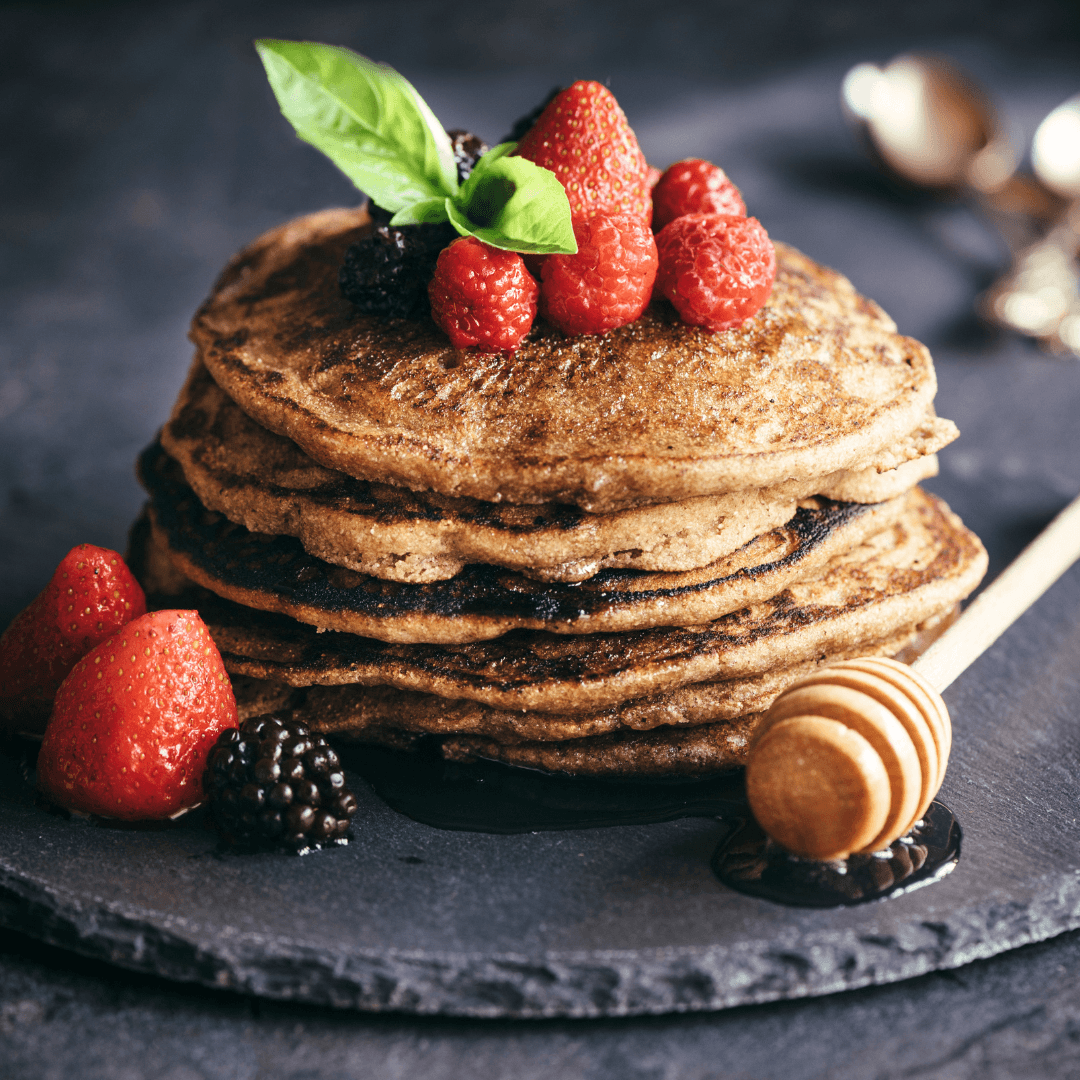
Recipe Idea: Buckwheat Pancakes
Ingredients: Buckwheat flour, almond milk, banana, baking powder, and maple syrup.
Method: Mix all ingredients to form a batter, cook pancakes on a hot grill, and serve with maple syrup.
18. Green Peas
Green peas provide about 8 grams of protein per cooked cup and are rich in vitamins A, C, K, and B. They’re great in soups, stews, and salads, adding protein and essential nutrients to your meals.
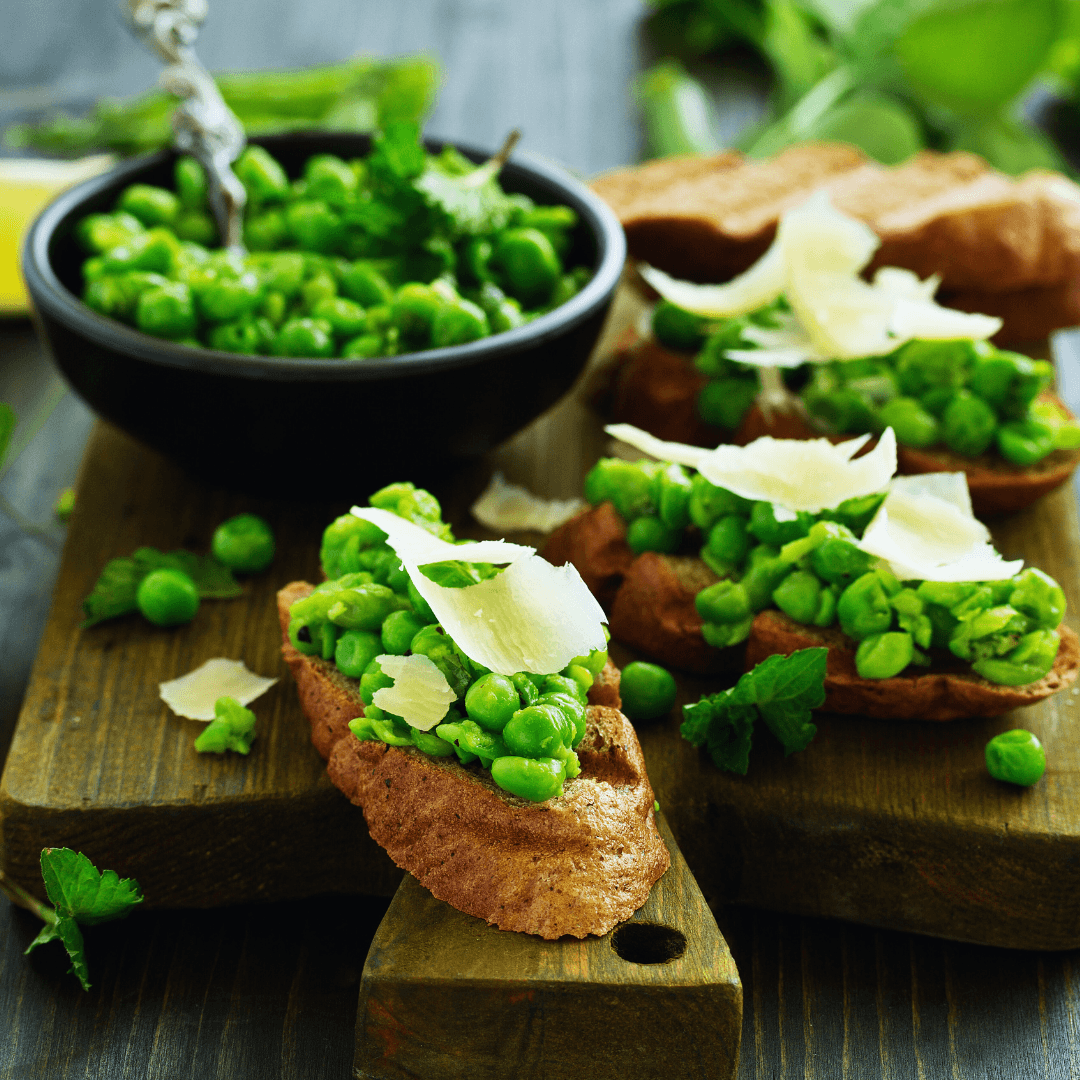
Recipe Idea: Pea And Mint Salad
Ingredients: Green peas, fresh mint, red onion, lemon juice, olive oil.
Method: Cook peas until tender, mix with chopped mint and red onion, drizzle with lemon juice and olive oil, and toss to combine.
19. Pistachios
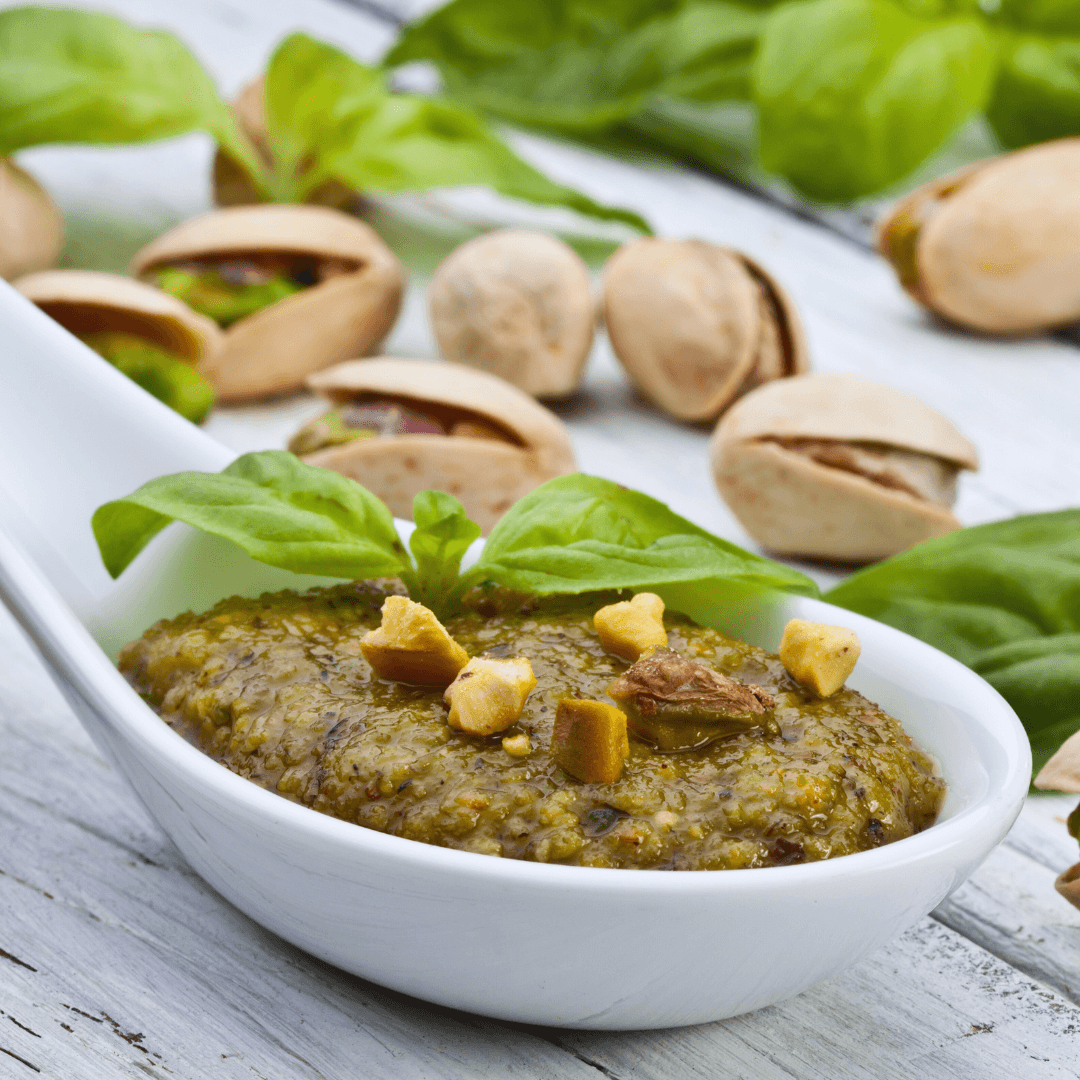
Pistachios contain approximately 20 grams of protein per 100 grams. They are also a great source of fibre, antioxidants, and good fats.
Recipe Idea: Pistachio Pesto
Ingredients: Pistachios, basil, garlic, lemon juice, olive oil, nutritional yeast.
Method: Blend all ingredients until smooth. Use as a spread on sandwiches or as a pasta sauce.
20. Cashews
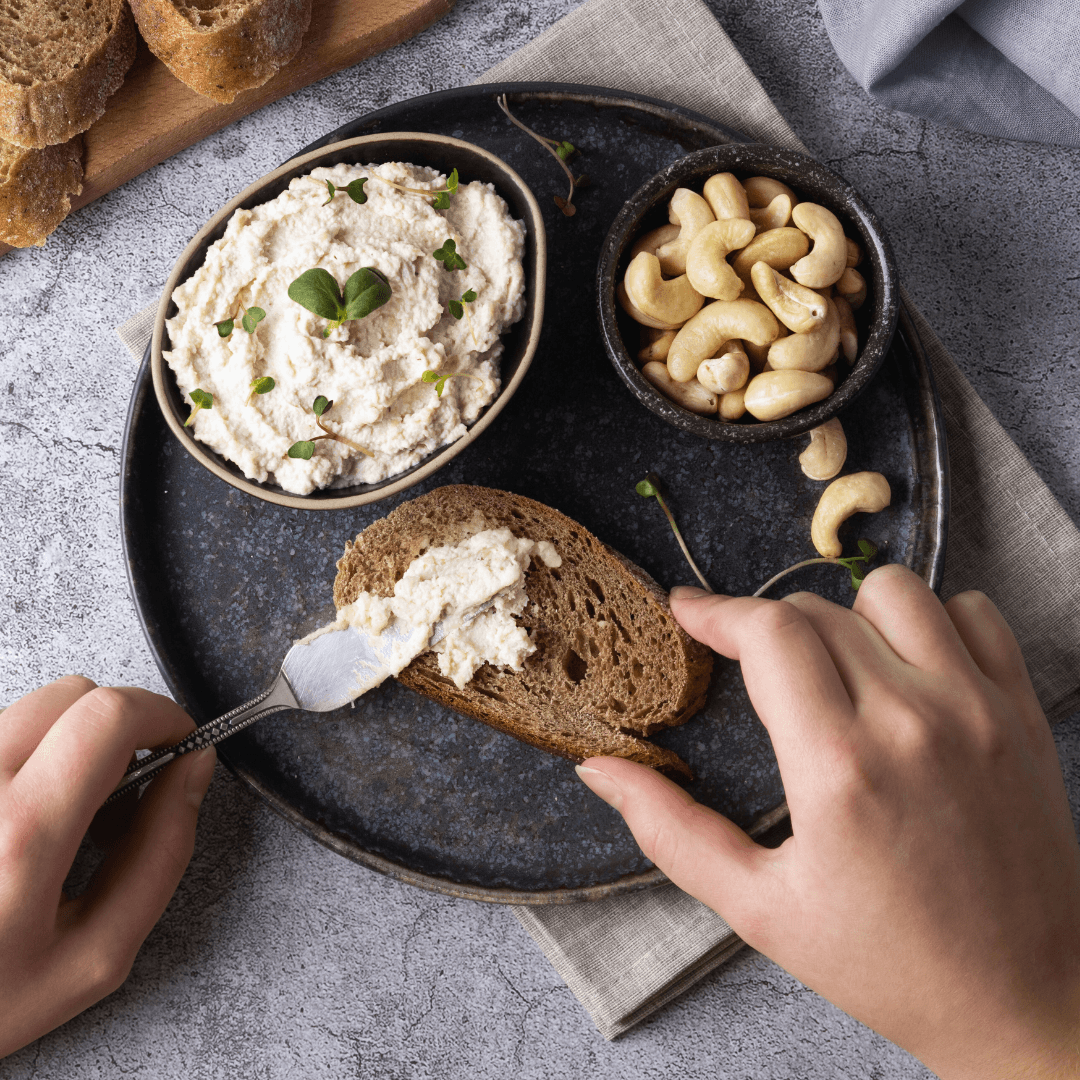
Cashews provide around 18 grams of protein per 100 grams and are high in healthy fats, magnesium, and copper. They make a nutritious snack or can be added to dishes for extra protein and creamy texture.
Recipe Idea: Cashew Cream
Ingredients: Cashews, water, lemon juice, salt.
Method: Soak cashews in water for a few hours, then blend with fresh water, lemon juice, and salt until smooth.
21. Teff
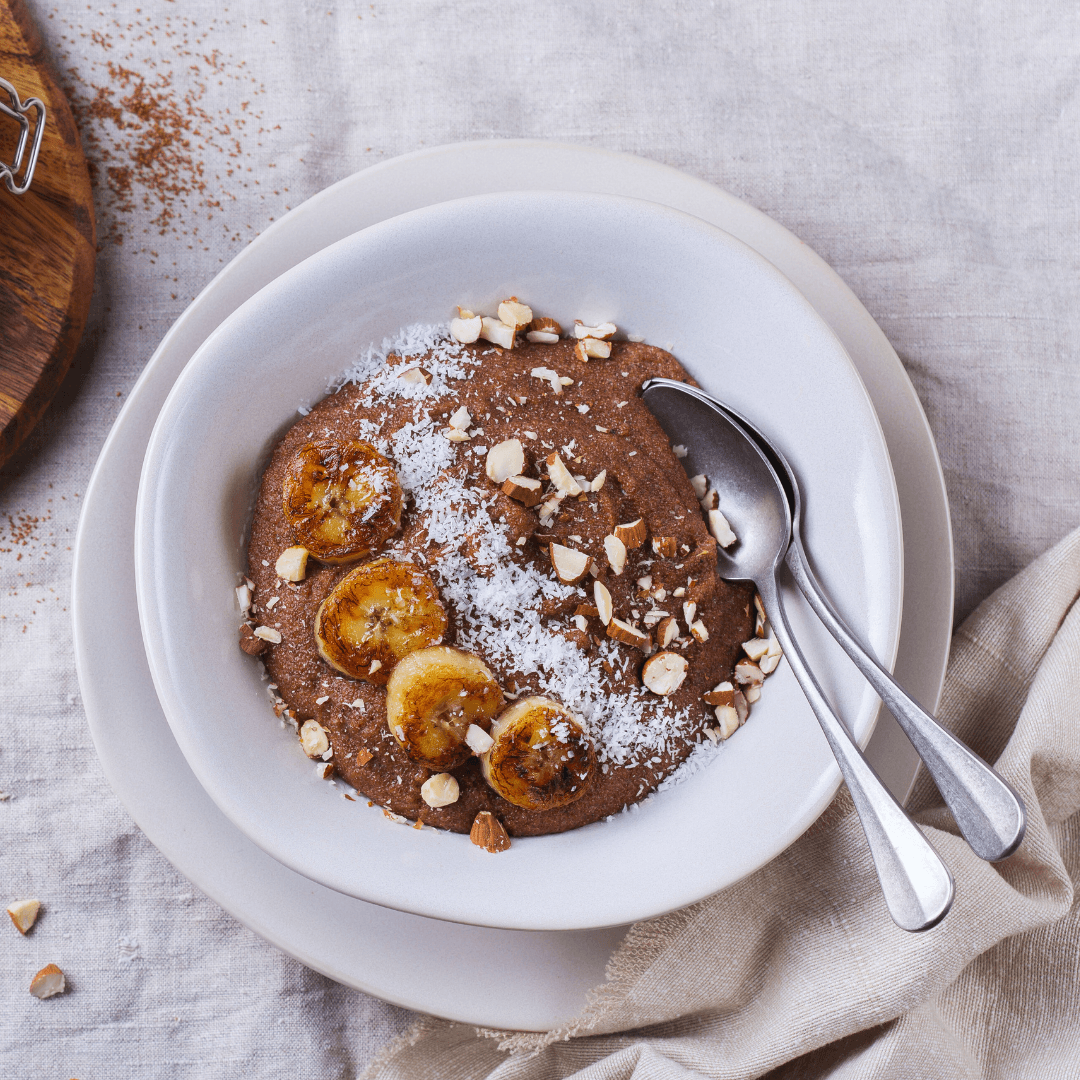
Teff, a tiny Ethiopian grain, offers about 10 grams of protein per cooked cup. It’s also rich in calcium, iron, and fibre, making it a nutritious choice for porridge, salads, and grain-based dishes.
Recipe Idea: Teff Porridge
Ingredients: Teff, water, almond milk, cinnamon, raisins, and maple syrup.
Method: Cook teff in a mixture of water and almond milk with cinnamon, stir in raisins, and sweeten with maple syrup.
22. Flaxseeds
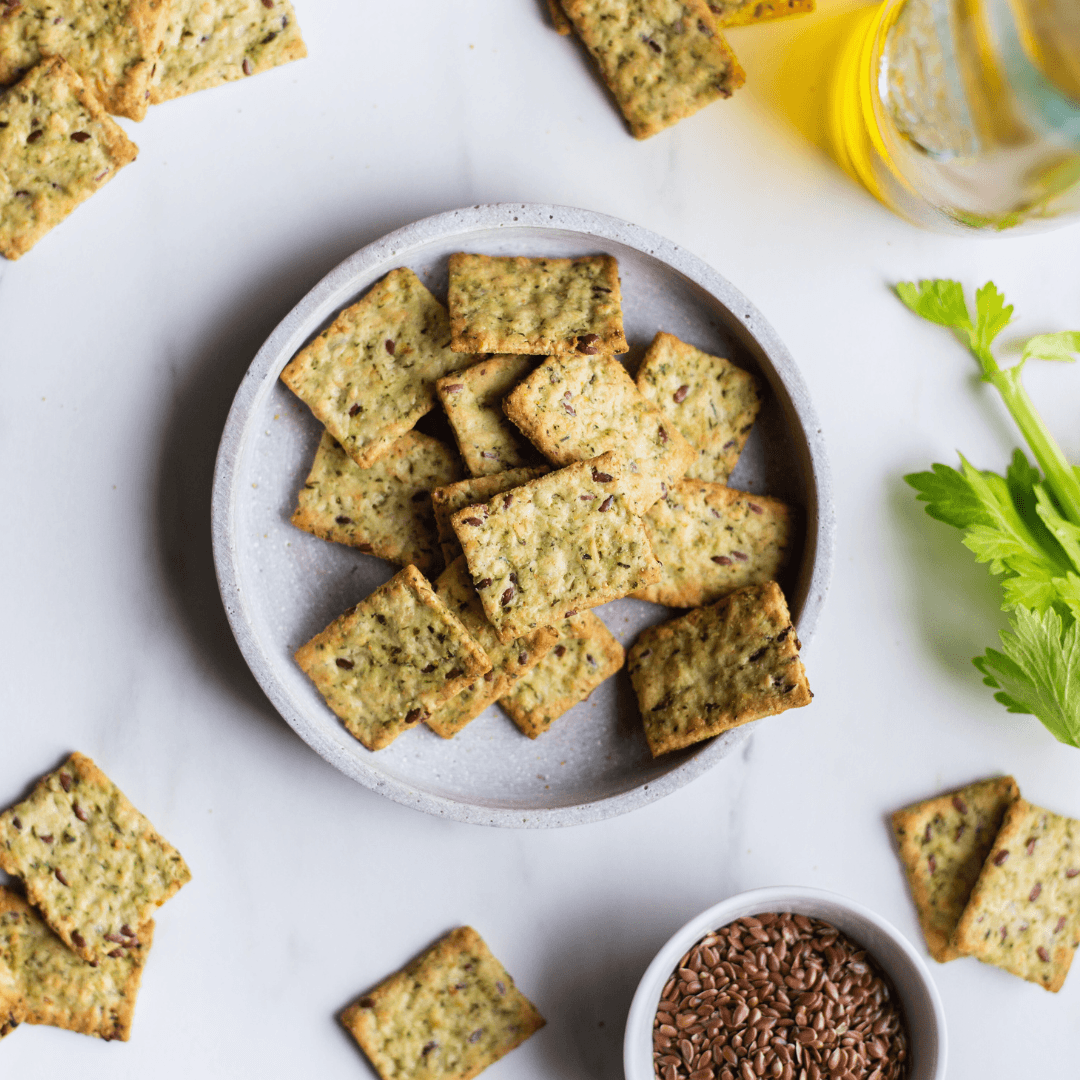
Flaxseeds are high in fibre and omega-3 fatty acids, providing about 18 grams of protein per 100 grams. They’re great for adding to smoothies, yogurt, or baking for an extra boost of nutrition.
Recipe Idea: Flaxseed Crackers
Ingredients: Flaxseeds, water, salt, garlic powder, and rosemary.
Method: Mix flaxseeds with water and seasonings, spread on a baking sheet, and bake at 350°F (175°C) until crisp.
23. Peanuts
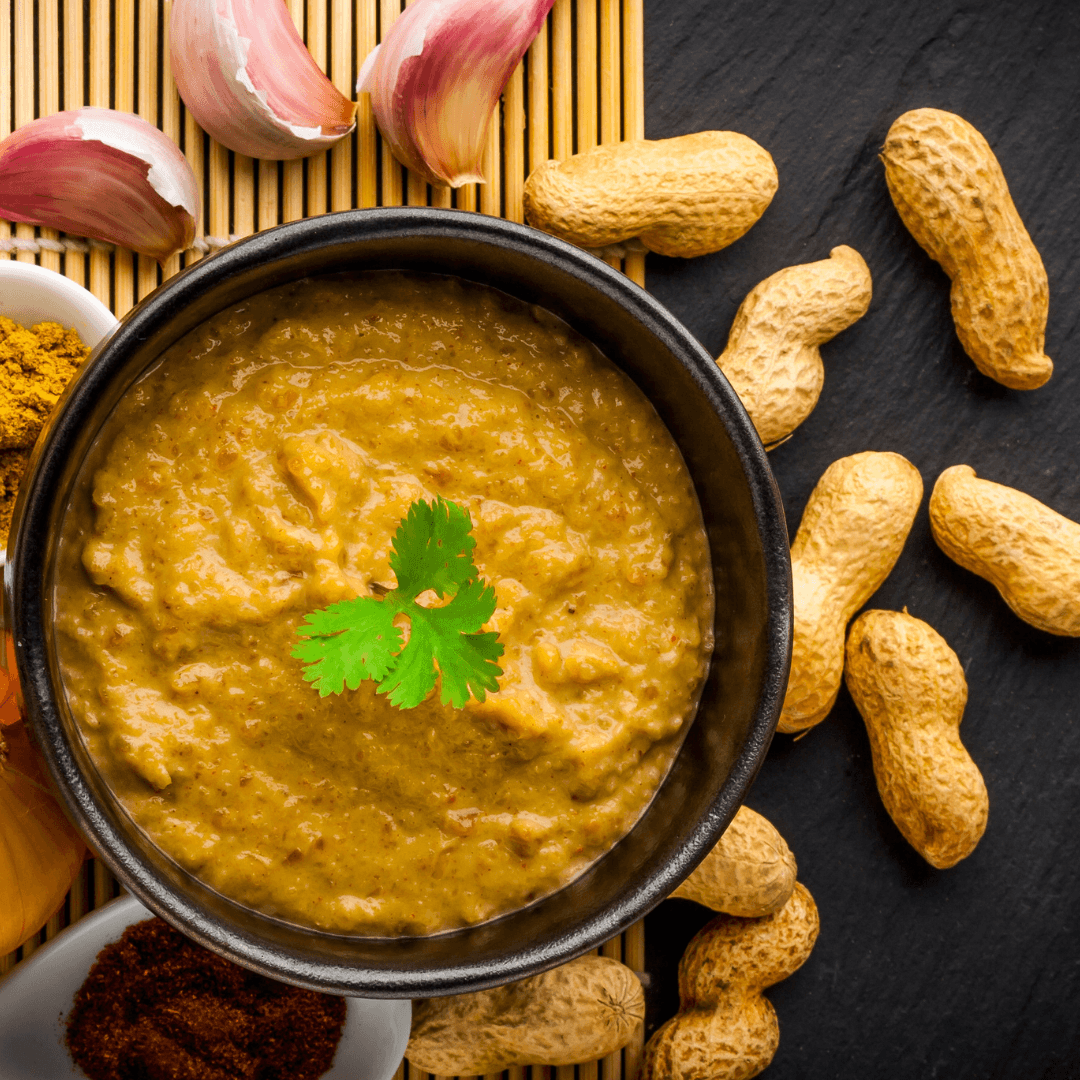
Peanuts provide about 25 grams of protein per 100 grams and are rich in healthy fats, fibre, and antioxidants. They make a satisfying snack or can be used in cooking and baking to boost protein and flavour.
Recipe Idea: Peanut Sauce
Ingredients: Peanut butter, soy sauce, lime juice, garlic, ginger, water.
Method: Mix all ingredients until smooth, and use as a dipping sauce or salad dressing.
24. Barley
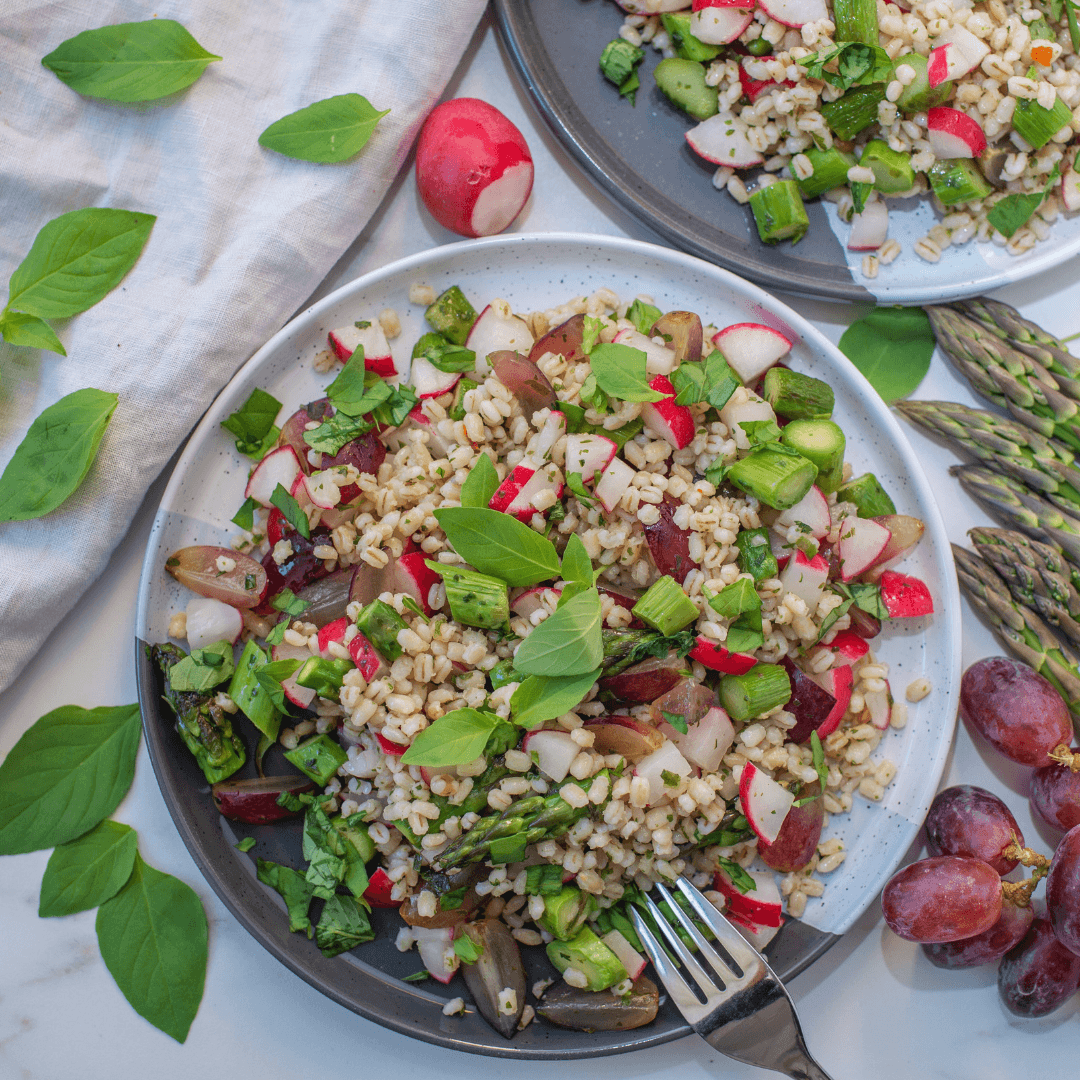
Barley offers approximately 3.5 grams of protein per cooked cup and is rich in fibre, vitamins, and minerals. It's a nutritious addition to soups, stews, and salads, enhancing protein content and overall nutrient value.
Recipe Idea: Barley Salad
Ingredients: Cooked barley, cherry tomatoes, cucumber, red onion, parsley, lemon juice, olive oil.
Method: Add chopped veggies and parsley to cooked barley, toss with olive oil and lemon juice, and season with pepper and pink sea salt.
How Much Protein Do You Need?
Your body requires different amounts of protein depending on age, sex, weight, and degree of physical activity. Here's a general guideline:
1. General Recommendation
At 0.8 grams per kilogram of body weight, protein is the Recommended Dietary Allowance (RDA). For example, a person weighing 70 kg (154 lbs) needs about 56 grams of protein daily.
2. Active Individuals
Those who are more physically active or regularly exercise may need more protein. The American College of Sports Medicine recommends consuming 1.2 to 2.0 grams of protein per kilogram of body weight for athletes and anyone who participates in strenuous physical activity.
3. Older Adults
Older adults may need slightly more protein to help maintain muscle mass. The recommended intake can range from 1.0 to 1.2 grams per kilogram of body weight.
4. Pregnant And Breastfeeding Women
Pregnant or breastfeeding women also have increased protein needs, typically around 1.1 grams per kg of body weight during pregnancy and 1.3 grams per kilogram during breastfeeding.
Want to Share Your Passion for Vegan Living?
Discover how easy and fulfilling vegan living can be —
from recipes and travel to lifestyle and sustainability tips.
Read this blog post next:
How to Start a Vegan Blog (and Turn Your Passion into Purpose).
Can Vegans Eat Too Much Protein?
Like anyone else, vegans can consume too much protein, though it might be less common due to the nature of plant-based foods. Excessive protein intake can have several health implications, even when the protein comes from plant sources.
1. Nutrient Balance
One of the main concerns with consuming too much protein is that it can lead to an imbalance in nutrient intake.
When vegans prioritize high-protein foods excessively, they might need to pay more attention to other essential nutrients in a varied diet. This could mean an inadequate intake of vitamins, minerals, and fibre crucial for overall health.
2. Kidney Function
An excessive protein diet may cause renal distress. After converting amino acids from proteins, they deaminate to create urea, a waste product that the kidneys must remove.
While the kidneys can handle increased protein levels up to a point, consistently high protein consumption might lead to kidney damage over time, especially in individuals with pre-existing kidney conditions.
3. Digestive Issues
Consuming too much protein, particularly from plant sources, can lead to digestive issues.
Plant proteins often come with higher fibre content, which, in excessive amounts, can cause bloating, gas, and discomfort. This is due to the body's inability to process large amounts of fibre at once.
4. Bone Health
Some evidence suggests that very high protein intake could affect bone health. Excess protein might increase calcium excretion through urine, potentially weakening bones over time.
However, this effect is more pronounced with animal proteins, and plant proteins generally have a more favourable impact on bone health.
5. Caloric Excess And Weight Gain
Overeating protein, even from vegan sources, can increase one's caloric intake, leading to weight gain.
While proteins have a higher thermic effect than fats and carbohydrates, consuming more calories than the body needs will still result in fat storage.
In summary, while vegans can consume less protein, it is less likely given the dietary habits of most vegans.
However, mindful consumption is crucial to avoid potential negative health effects. Balancing protein intake with various nutrient-rich plant foods is essential for optimal health.
Conclusion
Incorporating high-protein vegan foods into your diet is easy and beneficial for overall health and fitness.
From lentils and chickpeas to quinoa and tofu, these nutrient-dense options ensure you get the protein you need without compromising flavour or variety.
So, when answering the question, “What vegan food is highest in protein?” you now have a range of delicious and nutritious choices to enjoy. Embrace these protein-packed foods and thrive on your plant-based journey!
I trust you enjoyed this article on What Vegan Food Is Highest In Protein? Please stay tuned for more plant-based recipes, vegan travel tips, and lifestyle inspiration.
Take care!
— JeannetteZ 🌿
💬 Your Opinion Is Important To Me
Do you have thoughts, ideas, or questions? I’d love to hear from you. Please leave your comments below, or email me directly at Jeannette@LivingTheVeganLifestyle.org.
📚 More Vegan Lifestyle Reads
🌱 My #1 Recommendation for Online Success
Sharing my passion for vegan living — from food to fashion — has been such a rewarding journey.
If you’ve ever dreamed of building your own ethical lifestyle brand or blog, this is the best place to start.
🌟 See How Vegan Bloggers Build Online Income — Try WA Free (No Credit Card Needed)
Disclosure
This post may contain affiliate links. As an Amazon Associate and participant in other affiliate programs, I earn from qualifying purchases at no extra cost to you. Please read my full affiliate disclosure.