How To Go Gluten-Free And Dairy-Free
Learning how to go gluten-free and dairy-free can be a powerful step toward improving your health, boosting energy levels, and supporting overall well-being.
Whether you’re managing allergies or sensitivities, or simply exploring a mindful lifestyle change, this guide will help you navigate the transition with confidence.
You’ll discover practical tips on how to go gluten-free and dairy-free without giving up flavour or enjoyment, making it easier to create nourishing, satisfying meals every day.
Let’s begin this journey toward healthier, more mindful eating—one gentle step at a time.
What Does Gluten-Free Mean?
Gluten-free diets exclude gluten, a protein found in wheat, barley, rye, and their derivatives. People follow gluten-free diets for health reasons, particularly celiac disease, gluten intolerance, or sensitivity.
Consuming gluten in these cases can cause digestive issues or inflammation. Gluten-free foods include naturally gluten-free items like fruits and vegetables, and gluten-free grains like rice, quinoa, and corn.
Many packaged foods also offer gluten-free options, clearly labelled for easy identification. Adopting a gluten-free lifestyle requires careful label reading and awareness to avoid hidden sources of gluten in processed products and sauces.
What Does Dairy-Free Mean?
Dairy-free means a product, dish, or diet that contains no milk or milk-derived ingredients. This includes cow's milk and its products, such as cheese, butter, yogurt, cream, and whey.
Dairy-free items are often used by individuals with lactose intolerance, a dairy allergy, or those choosing to avoid dairy for health, ethical, or environmental reasons.
Although a dairy-free label guarantees the absence of dairy, it is crucial to look for hidden dairy sources in processed foods, such as casein or lactose.
Although vegan and dairy-free diets are similar, they are not the same. Vegan diets only avoid dairy products, whereas dairy-free diets avoid all animal products.
Alternatives like almond milk, soy cheese, and coconut yogurt provide similar textures and flavours without using dairy. Always verify labels for complete assurance.
Benefits Of Going Gluten-Free
Adopting a gluten-free diet can deliver significant health and lifestyle benefits for individuals with gluten-related conditions and those exploring this dietary change. Below are the key benefits:
1. Improved Digestive Health
A gluten-free diet benefits those with celiac disease or gluten sensitivity by reducing symptoms like bloating, diarrhea, and stomach pain. Eliminating gluten reduces intestinal inflammation, promoting better nutrient absorption and digestive comfort.
2. Enhanced Energy Levels
The most common sign of gluten intolerance is persistent exhaustion, often caused by intestinal damage that prevents nutrient absorption.
A gluten-free diet supports gut healing, allowing the body to absorb vital nutrients more efficiently and boosting energy levels over time.

3. Reduced Chronic Inflammation
Chronic fatigue is one of the most common signs of gluten sensitivity. A gluten-free diet can significantly reduce inflammation, lowering the risk of related complications such as joint pain, skin conditions, and fatigue.
4. Better Mental Clarity
Some individuals report improved focus and reduced brain fog after removing gluten from their diet. This benefit may result from reduced inflammation and better overall nutrient absorption, contributing to improved cognitive function.
5. Relief From Skin Conditions
Gluten sensitivity can contribute to eczema, psoriasis, or dermatitis herpetiformis. Adopting a gluten-free diet may alleviate symptoms by removing gluten as a potential trigger, promoting healthier, clearer skin for those affected.
6. Weight Management
While not a guaranteed weight-loss strategy, going gluten-free often involves replacing processed foods with whole, naturally gluten-free options like fruits, vegetables, and lean proteins. This shift can lead to healthier eating habits and better weight management.

7. Reduced Risk Of Certain Diseases
Celiac disease patients who avoid gluten are less likely to develop long-term issues like osteoporosis, neurological conditions, and several types of cancer linked to uncontrolled gluten consumption.
8. Improved Quality Of Life
Learning to go gluten-free and dairy-free can relieve debilitating symptoms and increase energy and focus, ultimately improving daily life and productivity. Relief from debilitating symptoms and increased energy and focus can significantly enhance daily life and productivity.
9. Accessible Alternatives
The growing popularity of gluten-free diets means more accessible options in stores and restaurants. From gluten-free bread to pasta, it’s easier than ever to enjoy a wide variety of foods without sacrificing flavour or convenience.
10. Alleviates Autoimmune Symptoms
For individuals with autoimmune disorders, such as celiac disease or Hashimoto's thyroiditis, a gluten-free diet can reduce symptoms and prevent the immune system from mistakenly attacking the body. Removing gluten helps reduce the autoimmune response, contributing to better health.
Benefits Of Going Dairy-Free
There are several health and lifestyle advantages to cutting out dairy. Whether motivated by allergies, intolerances, or a desire for a healthier lifestyle, going dairy-free offers several advantages:
1. Improved Digestive Health
Lactose intolerance is most commonly caused by an inability to digest lactose, or milk sugar. Eliminating dairy can alleviate symptoms such as bloating, gas, diarrhea, and stomach cramps, leading to improved digestion and gut comfort.
2. Reduced Inflammation
For some, dairy can trigger inflammation, exacerbating conditions such as arthritis, eczema, or sinusitis. Removing dairy can reduce inflammation markers and ease joint pain, skin irritation, and sinus congestion.

3. Clearer Skin
Due to its hormonal profile and potential inflammatory effects, dairy is associated with acne and other skin conditions. Over time, avoiding dairy can help clear the skin and lessen breakouts.
4. Easier Weight Management
Cutting out dairy often means avoiding high-calorie items like cheese, cream, and ice cream, which can support weight control. Replacing these with healthier alternatives may support weight loss or maintenance.
5. Improved Respiratory Health
Dairy thickens mucus for some people, potentially exacerbating conditions like asthma, allergies, or chronic congestion. Eliminating dairy can improve breathing and reduce mucus buildup.
6. Reduced Risk Of Allergic Reactions
Cow’s milk is a common allergen, particularly in children. Avoiding dairy helps eliminate risks of hives, wheezing, or digestive distress caused by milk proteins like casein or whey.
7. Better Hormonal Balance
Conventional dairy products often contain hormones that can disrupt the body's natural hormonal balance. A dairy-free diet reduces exposure to these hormones, potentially alleviating hormone-related issues like menstrual irregularities or mood swings.
8. Enhanced Energy Levels
Some individuals report feeling less sluggish after removing dairy from their diet. This may result from reduced digestive strain and better absorption of essential nutrients.
9. Lowers Risk Of Chronic Diseases
You may reduce your risk of heart disease, type 2 diabetes, and several malignancies by consuming fewer dairy products and less saturated fat. This can be achieved by avoiding gluten and dairy.
10. More Inclusive Dietary Habits
Going dairy-free encourages exploring plant-based alternatives like almond milk, coconut yogurt, or cashew cheese. These often contain additional nutrients, such as fiber and healthy fats, that can enrich your diet.
Want to Share Your Passion for Vegan Living?
Discover how easy and fulfilling vegan living can be —
from recipes and travel to lifestyle and sustainability tips.
Read this blog post next:
How to Start a Vegan Blog (and Turn Your Passion into Purpose).
Tips For A Gluten-Free Diet
Switching to a gluten-free diet can initially seem overwhelming, but it becomes manageable and enjoyable with the right strategies. Here are some tips to help you succeed:
1. Learn To Read Labels
Understanding labels is crucial for a gluten-free diet. Look for hidden gluten in ingredients like wheat, barley, rye, and malt.
Check for certified gluten-free symbols to ensure safety. Familiarize yourself with lesser-known gluten sources, like modified food starch, and prioritize transparent brands.

2. Stock Up On Naturally Gluten-Free Foods
Base your diet on naturally gluten-free options like fresh fruits, vegetables, legumes, and grains like rice, quinoa, and millet.
These foods provide essential nutrients while reducing reliance on processed gluten-free products. Incorporating these staples ensures your diet is balanced, wholesome, and diverse.
3. Avoid Cross-Contamination
When learning how to go gluten-free and dairy-free, it’s essential to use separate utensils, cutting boards, and cookware to prevent cross-contact and ensure your meals remain entirely gluten-free and dairy-free.
Be cautious with toasters, strainers, and bulk containers where cross-contact can occur, ensuring your meals remain gluten-free.
4. Experiment With Gluten-Free Alternatives
Satisfy cravings by exploring gluten-free substitutes like almond flour bread, chickpea pasta, or coconut flour cookies. Experiment with these alternatives to replicate the textures and flavours of your favourite dishes. With numerous options available, you can still enjoy diverse and delicious meals.
5. Plan Meals In Advance
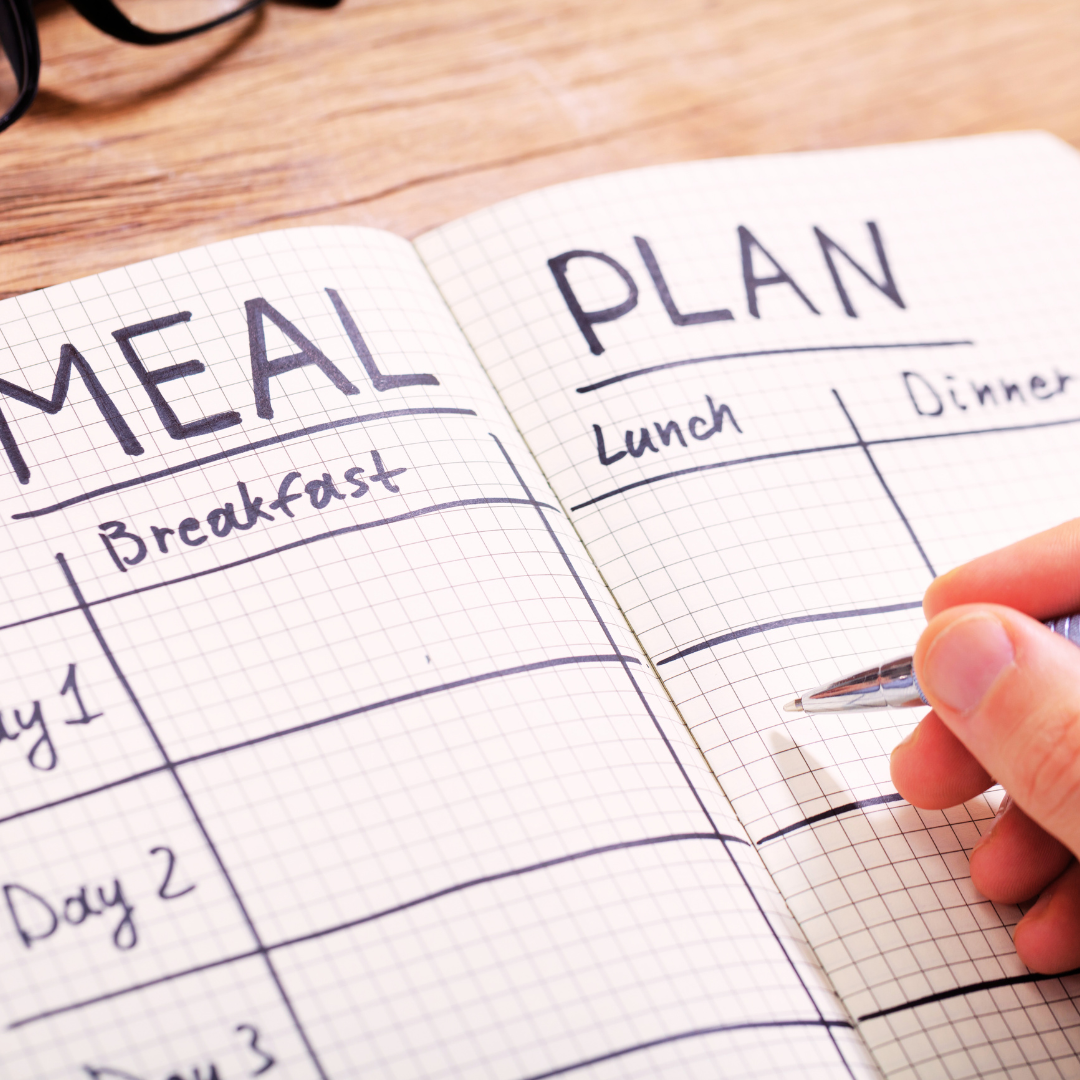
Meal planning is essential for staying gluten-free. Prepare weekly menus and snacks to avoid unsafe convenience foods.
Cook in bulk and freeze meals for busy days. This approach ensures you're always prepared with nutritious, gluten-free options.
6. Dine Out Carefully
Research restaurants with gluten-free options and inquire about preparation methods to avoid cross-contamination when eating out.
Communicate your needs to staff and chefs. Opt for simple dishes, such as grilled proteins and steamed vegetables, which are less likely to contain hidden gluten.
7. Be Cautious With Sauces And Seasonings
Unexpected sources such as marinades, spice blends, and soy sauce may contain gluten. Check labels for gluten-free certification, or create your sauces and seasonings at home. This ensures you control the ingredients and maintain safety.
8. Stay Informed
Gluten can appear in surprising foods like soups, candies, and deli meats. Continuously update your knowledge of gluten-containing products and hidden sources. Being proactive helps you make informed choices and navigate grocery shopping and dining out with confidence.
9. Build A Support Network
Join gluten-free communities or forums to exchange recipes, tips, and experiences. Support from others on a similar journey can help you stay motivated, troubleshoot challenges, and discover new gluten-free foods and brands.\
10. Consult A Dietitian
A registered dietitian ensures your gluten-free diet is balanced and nutritionally complete. They can help you avoid deficiencies in essential nutrients like fiber, iron, and B vitamins, providing personalized guidance for long-term success.

11. Incorporate Gluten-Free Flour
In baking and cooking, replace wheat flour with gluten-free alternatives like rice flour, almond flour, or potato flour. These flours work well in gluten-free recipes for bread, cakes, and pastries, allowing you to enjoy familiar textures and flavours without gluten.
12. Check For Hidden Gluten In Processed Foods
Many processed foods, such as processed meats, snacks, and frozen meals, may contain gluten. Always check the ingredient list for wheat or gluten-related terms, and opt for whole foods or gluten-free-labelled items when possible to avoid unwanted gluten.
13. Go Beyond The Grocery Store
For gluten-free products, explore specialty stores. These stores often carry fresh, locally sourced items and specialized ingredients that may not be available in typical grocery stores, offering greater variety and meal options.
14. Learn About Gluten-Free Baking Techniques
Baking without gluten can be challenging because gluten provides structure and tenderness to baked goods. Experiment with xanthan gum or guar gum to mimic the texture of gluten and improve your baked goods. With practice, you can become an expert at gluten-free baking.
Tips For A Dairy-Free Diet
Adopting a dairy-free diet can be a smooth and rewarding process with the right strategies. Here are some tips to help you make the transition successfully:
1. Use Nut-Based Sauces
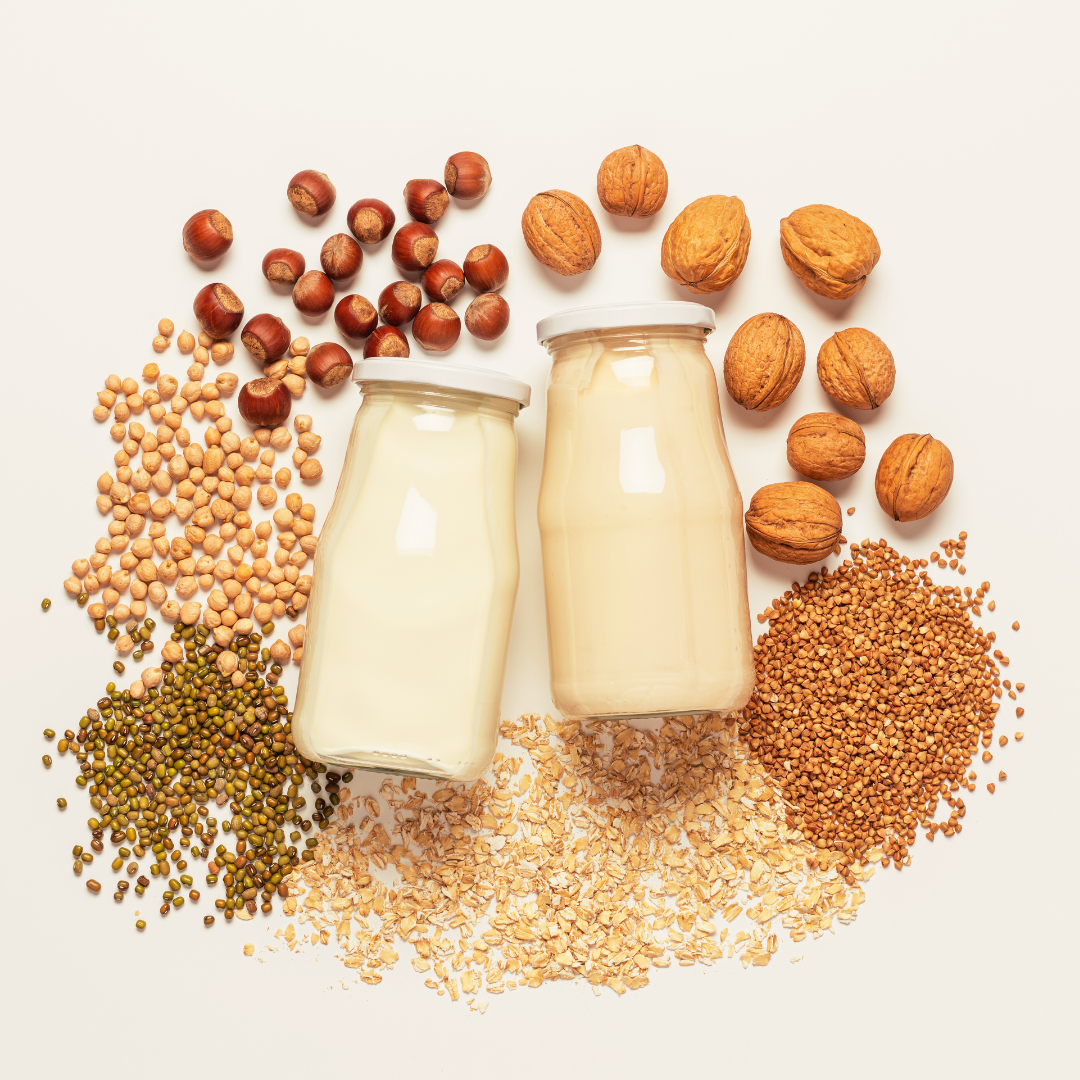
To avoid dairy and gluten, use nut-based sauces. They provide a rich texture and delicate flavour, rather than creams or cheeses.
These sauces are ideal for enhancing dishes, providing depth, and accommodating specific dietary requirements. Try cashew or almond-based alternatives for a creamy, delectable take on your favorite recipes!
2. Explore Nutritional Yeast
Nutritional yeast is a dairy-free, plant-based powder that adds a cheesy, nutty flavour to foods. It’s high in vitamins and low in calories.
Sprinkle it on popcorn, pasta, roasted vegetables, or soups to enhance flavour while benefiting from its nutritional content, especially for vegans.
3. Try Coconut Yogurt
When transitioning to a gluten-free, dairy-free diet, consider coconut yogurt as a creamy, tangy alternative that supports gut health and adds versatility to smoothies, parfaits, and more.
Made from coconut milk, it provides probiotics that support gut health. Available in various flavours, it’s a versatile option for smoothies, parfaits, or as a standalone treat. Customize it with fresh fruits or spices for extra flair.
4. Get A Milk Frother
A milk frother creates foamy, creamy textures with plant-based milk such as oat, soy, or almond. It’s ideal for making dairy-free lattes, cappuccinos, or hot chocolate. The frother helps mimic traditional dairy milk’s smooth, rich texture, perfect for coffee lovers.
5. Explore Vegan Cheese Fermentation
Fermenting plant-based ingredients such as cashews, nutritional yeast, or tofu produces rich, dairy-free cheeses. The fermentation process gives these cheeses a unique flavour profile, often tangy or savoury, making them a strong substitute for traditional cheeses. It’s a fun and rewarding culinary experiment for those craving authentic cheese tastes.
6. Get Creative With Baking
Aquafaba, the liquid from canned chickpeas, can replace eggs in baking recipes. It whips into a foam and structures cakes, cookies, and meringues.
Pair it with plant-based milks such as rice, hemp, or almond for creative twists on cakes, pancakes, and other dairy-free treats.
7. Flavoured Nut Butter
Flavoured nut butter, such as cinnamon, vanilla, or cocoa, adds richness to dairy-free meals. Use it in smoothies, oatmeal, or spread on toast for a delicious treat.
The added flavours enhance the taste and provide healthy fats, making nut butter a versatile ingredient in dairy-free diets.
8. Incorporate Seaweed For Umami
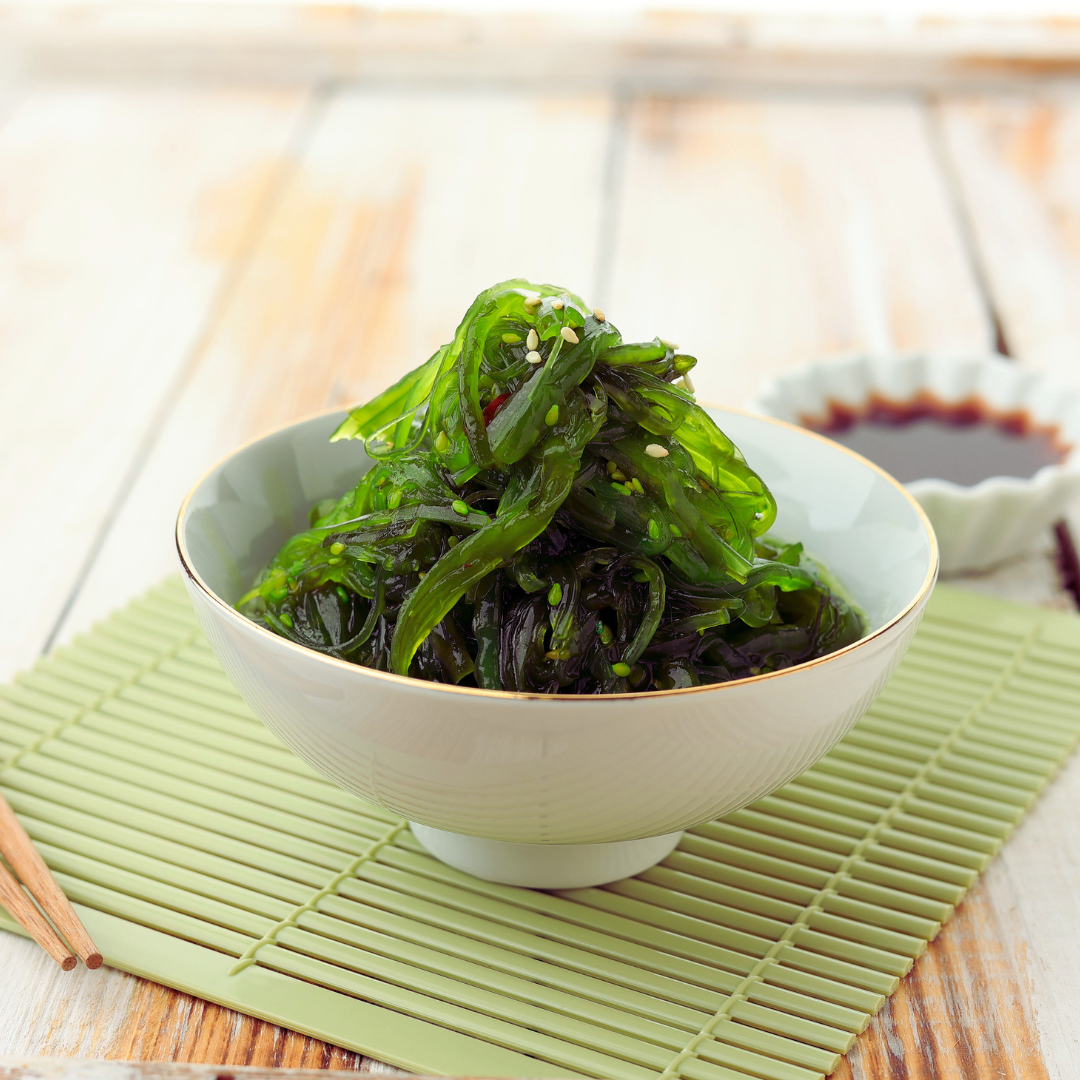
Seaweed varieties such as nori, dulse, and kombu provide a savoury, umami-rich flavour that adds depth to dishes. These sea vegetables can substitute for the richness that dairy typically brings to meals. Use them in soups, stir-fries, or salads for a nutrient-dense, flavour-packed alternative to dairy.
9. Experiment With Dairy-Free Ice Cream
Many dairy-free ice creams are made with coconut, almond, or oat milk, providing a creamy texture without dairy. For a homemade version, blend frozen bananas or mangoes with coconut milk. This creates a refreshing, indulgent treat that’s naturally dairy-free and customizable with flavours or toppings.
10. Try Plant-Based Creamers
Try plant-based creamers made from oats, almonds, or coconut milk for a rich, creamy texture in coffee, tea, or smoothies when transitioning to a gluten-free, dairy-free diet.
Available in flavours such as vanilla and hazelnut, they can be added to coffee, tea, or smoothies to provide a rich, creamy texture while remaining entirely plant-based and dairy-free.
11. Use Tofu For Creaminess
Silken tofu adds a smooth, creamy texture to smoothies, soups, and sauces without requiring dairy. It’s a versatile ingredient that works well in both savoury and sweet dishes and provides a plant-based protein boost, making it an excellent dairy substitute.
12. Make Dairy-Free Pesto
Traditional pesto uses Parmesan cheese, but you can also use plant-based cheeses or nutritional yeast to produce a dairy-free version. Basil, pine nuts, garlic, and olive oil make a vibrant, dairy-free sauce perfect for pasta, sandwiches, or dip.
13. Try Rice Paper Wraps For Dairy-Free Snacks
Rice paper wraps are a versatile, dairy-free alternative to traditional wraps. They can be filled with fresh vegetables, tofu, or avocado and offer a light, crisp texture. Various fillings and dips can be customized, making them a refreshing, healthy snack option for those avoiding dairy.
14. Substitute Mashed Potatoes With Cauliflower
Cauliflower makes a dairy-free substitute for mashed potatoes. When steamed and blended with seasonings, it achieves a creamy, smooth texture without butter or cream. This low-calorie, nutrient-packed alternative provides a light, healthy side dish perfect for any dairy-free meal.
FAQs
Q1: What Are Common Foods To Avoid On A Gluten-Free And Dairy-Free Diet?
Wheat, barley, rye, milk, cheese, butter, yogurt, processed foods with gluten or dairy, certain sauces, and baked goods that contain gluten or dairy ingredients.
Q2: How Do I Find Out If A Product Is Dairy And Gluten-Free?
Read labels for gluten and dairy ingredients. Look for certified gluten-free and dairy-free symbols, and check for hidden sources like whey, casein, or gluten in additives.
Conclusion
Learning how to go gluten-free and dairy-free can help you make informed choices, explore alternative ingredients, and enjoy a diverse, nutritious diet for better health and well-being.
Focus on whole, unprocessed foods, read labels carefully, and explore alternative ingredients for familiar dishes. By experimenting with gluten- and dairy-free substitutes, you can enjoy a diverse, nutritious diet while feeling confident in your choices.
I trust you enjoyed this article on How To Go Gluten-Free And Dairy-Free. Please stay tuned for more plant-based recipes, vegan travel tips, and lifestyle inspiration.
Take care!
— JeannetteZ 🌿
💬 Your Opinion Is Important To Me
Do you have thoughts, ideas, or questions? I’d love to hear from you. Please leave your comments below, or email me directly at Jeannette@LivingTheVeganLifestyle.org.
📚 More Vegan Lifestyle Reads
🌱 My #1 Recommendation for Online Success
Sharing my passion for vegan living — from food to fashion — has been such a rewarding journey.
If you’ve ever dreamed of building your own ethical lifestyle brand or blog, this is the best place to start.
🌟 See How Vegan Bloggers Build Online Income — Try WA Free (No Credit Card Needed)
Disclosure
This post may contain affiliate links. As an Amazon Associate and participant in other affiliate programs, I earn from qualifying purchases at no extra cost to you. Please read my full affiliate disclosure.