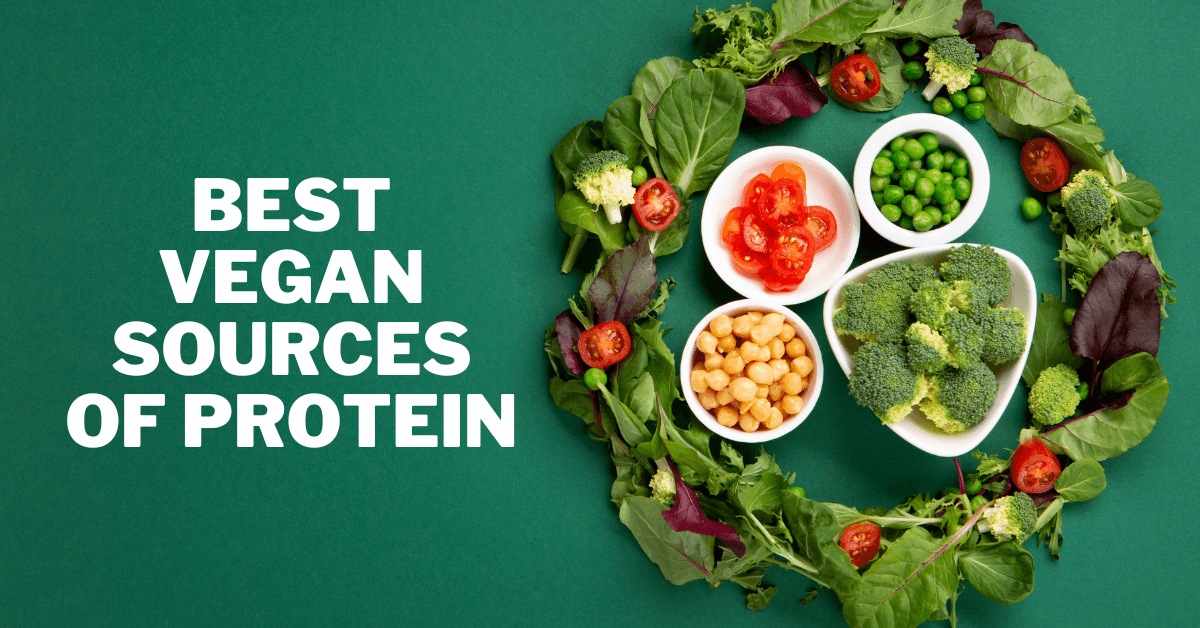
11 Best Vegan Sources Of Protein For Everyday Meals
The spotlight on plant-based diets has never shone brighter in a world increasingly drawn towards conscious choices for health, sustainability, and ethical considerations.
Among the myriad aspects that define the potency of a vegan lifestyle, the quest for adequate protein sources stands as a prominent pillar.
While concerns about protein sufficiency may arise, the plant kingdom reveals a treasure trove of versatile, nutrient-rich options that cater to both taste preferences and the body's fundamental needs.
This exploration dives into the bountiful realm of vegan protein sources, from legumes that pack a protein punch to grains, nuts, seeds, and innovative plant-based creations.
Whether you're embracing veganism for the first time, seeking to diversify your protein intake, or simply curious about the potency of plant-powered nourishment, this guide unveils the plant-based tapestry of protein, inviting you to embark on a journey that fuels your body, mind, and values.
Exploring Vegan Sources Of Protein
While legumes, tofu, and nuts are well-known vegan protein powerhouses, the plant kingdom boasts an array of unique and lesser-known sources that can be integrated into a balanced and diverse diet:
1. Seitan (Wheat Gluten)
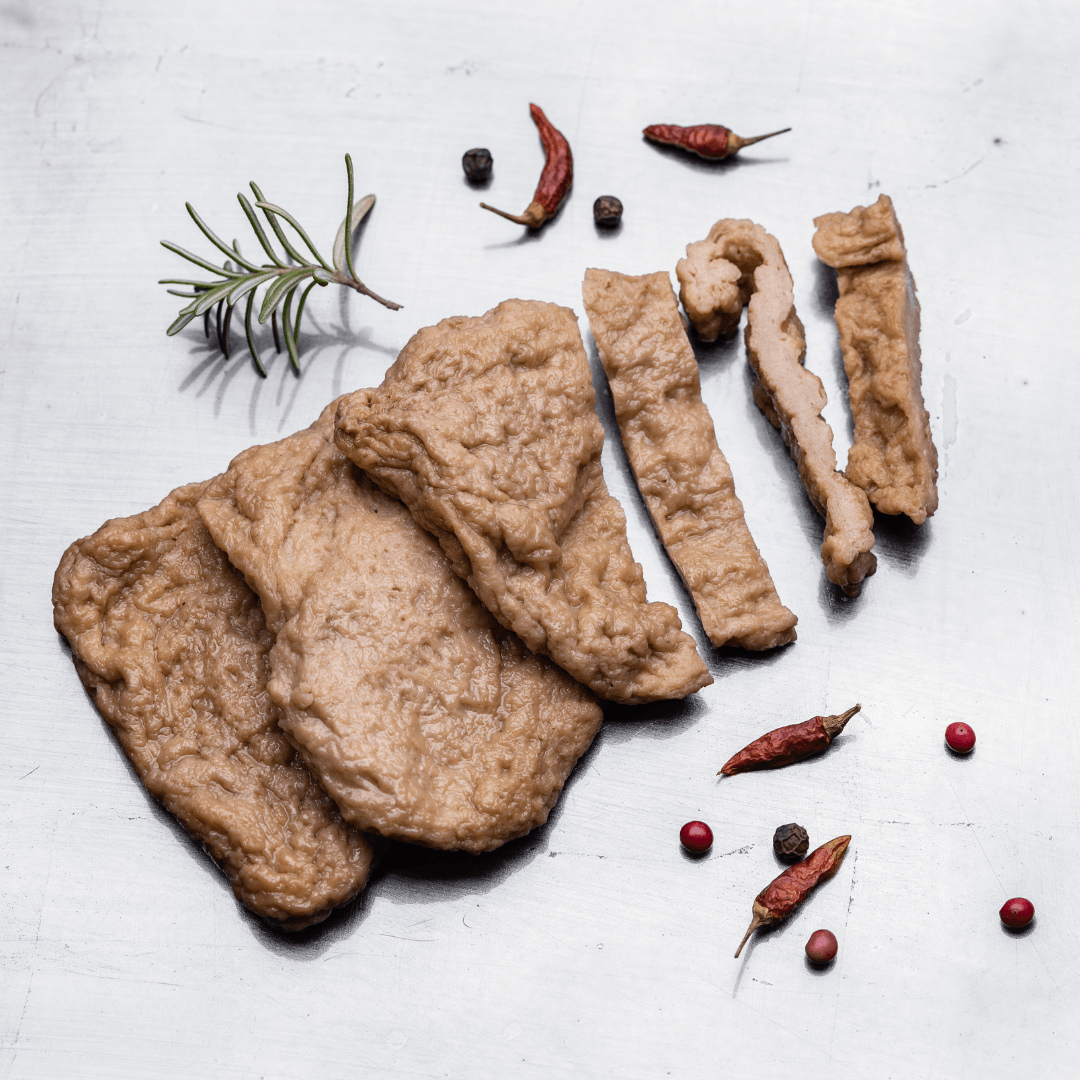
Seitan, aptly referred to as “wheat meat” or “wheat gluten,” is a protein powerhouse in vegan cuisine.
Crafted from vital wheat gluten, the protein-rich component extracted from wheat, seitan offers remarkable versatility, making it a sought-after meat substitute.
Its dense and chewy texture makes it an excellent substitute for traditional meat, allowing it to adapt seamlessly to many culinary applications.
One of seitan's most captivating aspects is its culinary adaptability. When seasoned and cooked, seitan becomes a chameleon, absorbing flavours and taking on textures that mimic various meats, from tender roast beef to succulent chicken.
Marination, grilling, sautéing, and even simmering in broths are just a few techniques that enhance its appeal. The result is a canvas upon which chefs can craft a variety of delectable dishes, ranging from hearty stews to savoury stir-fries and delicious sandwiches.
Beyond its culinary allure, seitan boasts a robust protein content that helps meet dietary protein requirements.
Its protein concentration, combined with minimal fat and carbohydrates, appeals to those seeking to boost their protein intake while adhering to a plant-based lifestyle.
With its innate ability to absorb flavours and the potential for culinary innovation, seitan takes center stage as a dynamic and flavourful addition to the repertoire of vegan protein sources. It caters to the palates and preferences of those seeking protein-rich, ethically conscious nourishment.
2. Hemp Seeds
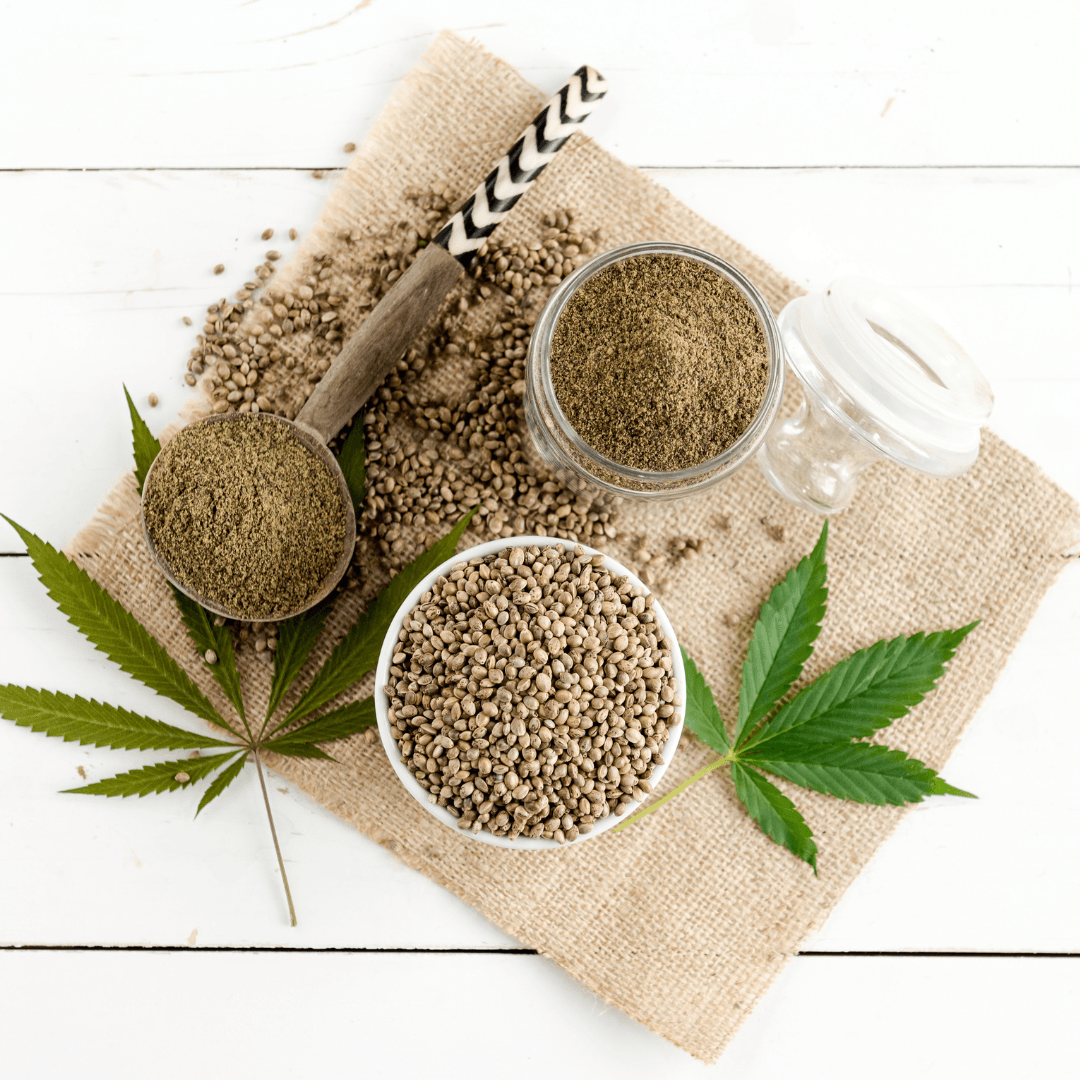
Often dubbed a superfood, hemp seeds emerge as a small but mighty nutritional powerhouse within plant-based protein sources.
These unassuming seeds pack a potent punch. They boast a complete protein profile that encompasses all the essential amino acids the human body requires.
Beyond their protein bounty, hemp seeds are rich in various nutrients that contribute to overall well-being. Their generous offering of healthy fats, including omega-3 and omega-6 fatty acids, supports heart health and cognitive function, while their impressive fibre content aids digestion and promotes a sense of satiety.
Versatility is a hallmark of hemp seeds, making them an easy and convenient addition to diverse dishes.
Their subtle nutty flavour harmonizes seamlessly with sweet and savoury creations, allowing them to be sprinkled atop salads, incorporated into smoothies, or stirred into yogurt for added creaminess and nutrition.
Additionally, hemp seeds can make homemade plant-based milk and dressings, further accentuating their culinary adaptability.
By embracing hemp seeds, individuals can infuse their diets with a wholesome blend of protein, healthy fats, and dietary fibre, fostering a balanced and holistic approach to nourishment.
Whether seeking to enhance protein intake, support cardiovascular health, or elevate the nutritional content of meals, hemp seeds stand as a miniature nutritional marvel that holds the potential to invigorate and promote plant-based eating experiences.
3. Spirulina
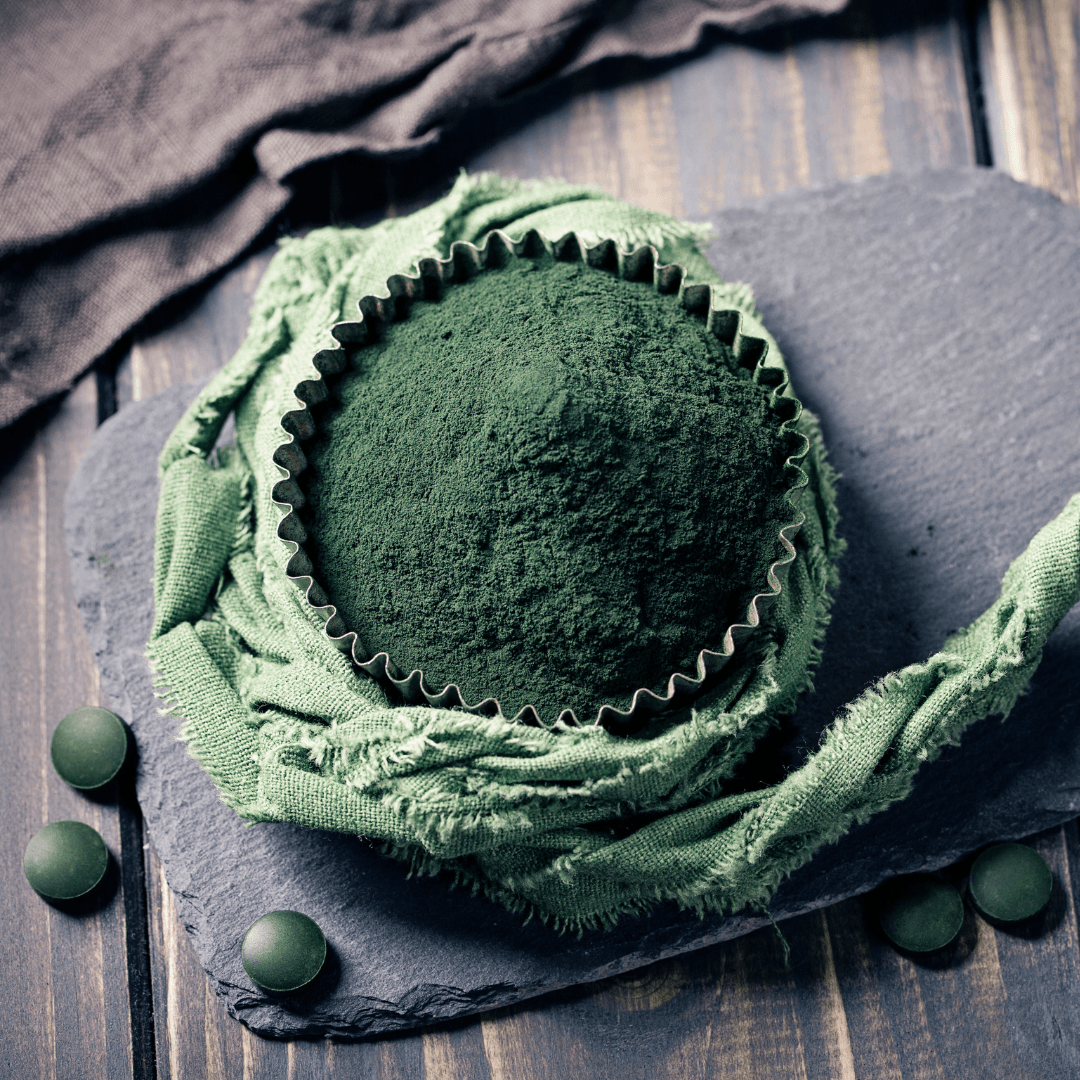
Spirulina, a revered blue-green algae, emerges as a verdant jewel in the crown of plant-based protein sources.
Beyond its vibrant hue, spirulina is celebrated for its exceptional protein content. It contains an impressive array of amino acids that contribute to muscle repair and growth.
Yet, spirulina's nutritional prowess extends far beyond its protein bounty. This superfood boasts a kaleidoscope of vitamins and minerals essential for vitality and well-being, including vitamin B12, iron, and magnesium.
Furthermore, its antioxidant arsenal, featuring compounds like phycocyanin and chlorophyll, supports cellular health by combating oxidative stress and inflammation.
Spirulina's culinary potential is as diverse as its nutrient profile. Its finely powdered form effortlessly integrates into smoothies, infusing them with a refreshing green hue and an enriching dose of protein and micronutrients.
Creative concoctions abound, as spirulina can be incorporated into freshly pressed juices, energizing energy bars, and even baked goods, offering a novel twist to traditional recipes.
As an algae-based protein source and a veritable treasure trove of nutrients, spirulina stands as a testament to the magnificence of plant-derived sustenance.
It invites individuals to embrace its vibrant essence and harness its potential to nourish the body, uplift the spirit, and thrive amid nature's bounty.
4. Chickpea Flour (Besan)
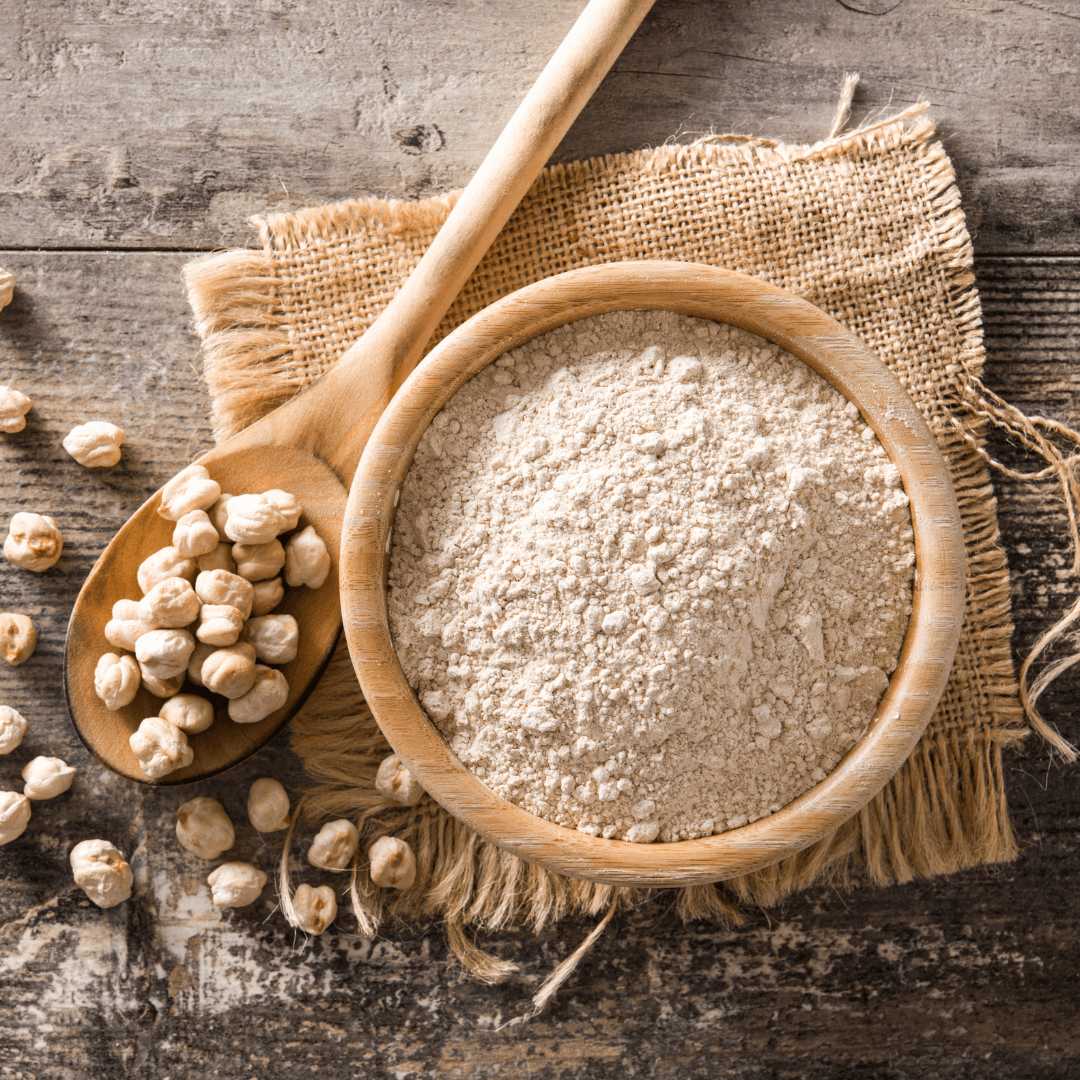
Chickpea flour, affectionately known as besan, unfurls as a cherished gem in the culinary tapestry of diverse cultures.
Derived from ground chickpeas, this versatile flour offers a medley of flavours and nutrients, enhancing gastronomic delight and nutritional value.
Renowned for its distinct nutty and earthy undertones, chickpea flour seamlessly integrates into various savoury dishes, ranging from beloved cakes and pancakes to the satisfying allure of omelets.
Beyond its culinary allure, chickpea flour is a bona fide protein powerhouse. Its high protein content aligns well with the demands of a plant-based lifestyle.
This protein infusion supports muscle repair and growth and offers a sense of satiety that can regulate appetite. Furthermore, chickpea flour holds the banner of being gluten-free, catering to those with dietary sensitivities or preferences.
As an embodiment of culinary ingenuity, chickpea flour offers an opportunity to imbue traditional recipes with a protein-rich twist, all while delighting the palate with its distinct, delectable flavour profile.
From the luscious crispness of cakes to the tender embrace of omelets, chickpea flour beckons individuals to savour the synergy of taste and nourishment, allowing each bite to reflect the bounty of nature's offerings and the creative prowess of plant-based cuisine.
5. Edamame
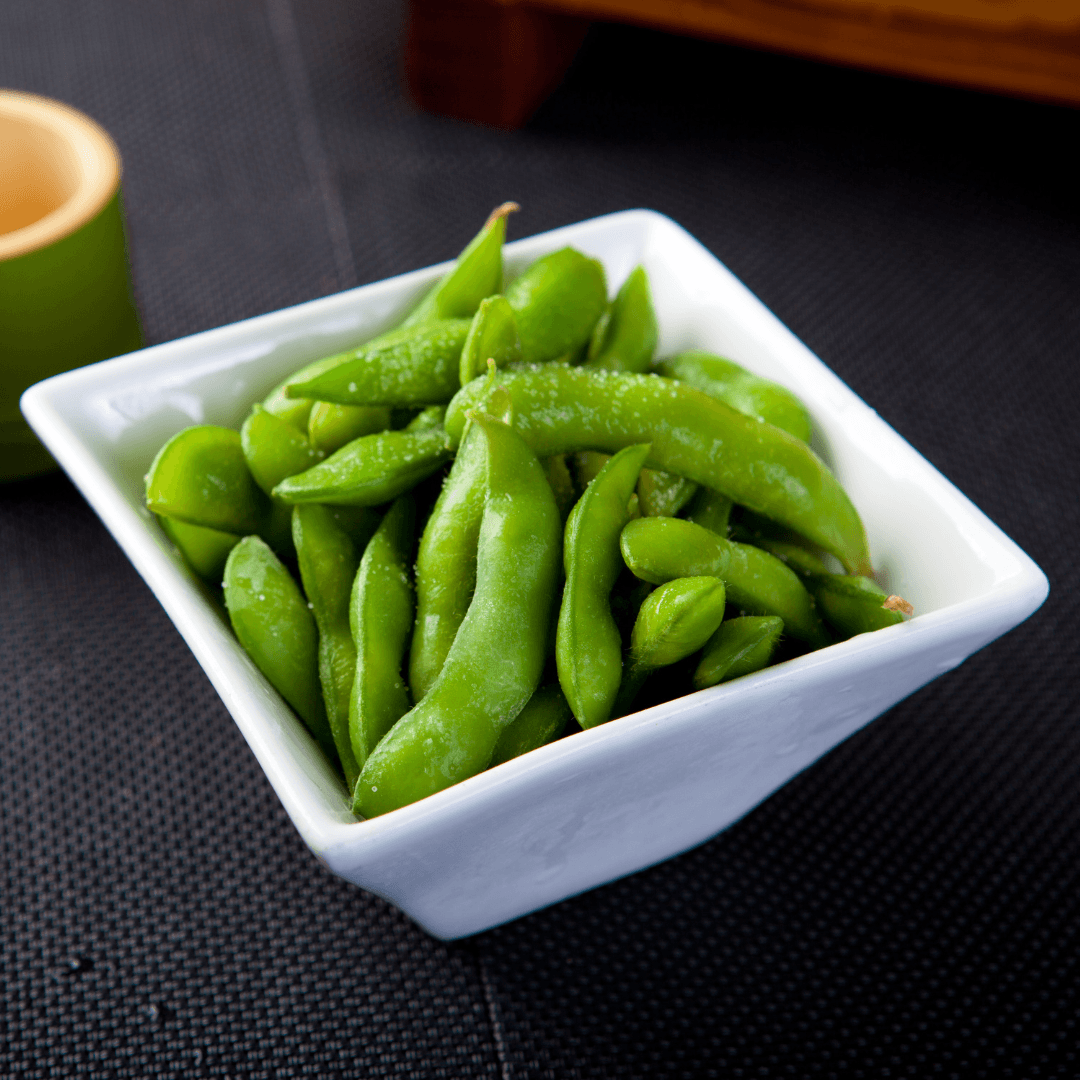
Edamame, the youthful incarnation of soybeans, is a delightful and nutrient-dense addition to the array of plant-based protein sources.
With a succulent and slightly sweet flavour, edamame is a testament to the harmony of taste and nutrition.
These vibrant green pods are rich in protein, making them a valuable ally in meeting daily protein requirements while adhering to a vegan lifestyle.
The versatility of edamame is a hallmark of its appeal. With their irresistible crunch and inherent goodness, edamame beans can be relished as a wholesome snack or lightly seasoned to satisfy midday cravings.
Edamame elevates the nutritional profile of salads and grain bowls by adding a burst of colour, texture, and plant-based protein, enhancing the overall satiety and healthfulness of meals.
Furthermore, edamame's chameleon-like nature allows them to be creatively incorporated into many dishes, from stir-fries and soups to wraps and dips.
Rich in essential amino acids, edamame supports muscle growth and repair, making it a natural choice for individuals seeking to optimize their protein intake.
Additionally, edamame bestows an array of vitamins and minerals, including folate, vitamin K, and manganese, contributing to holistic well-being.
As a testament to the wonders of plant-based nutrition, edamame invites individuals to relish its delectable taste and abundant protein bounty, exemplifying the symbiotic relationship between nourishment and delight in plant-based eating.
6. Quinoa
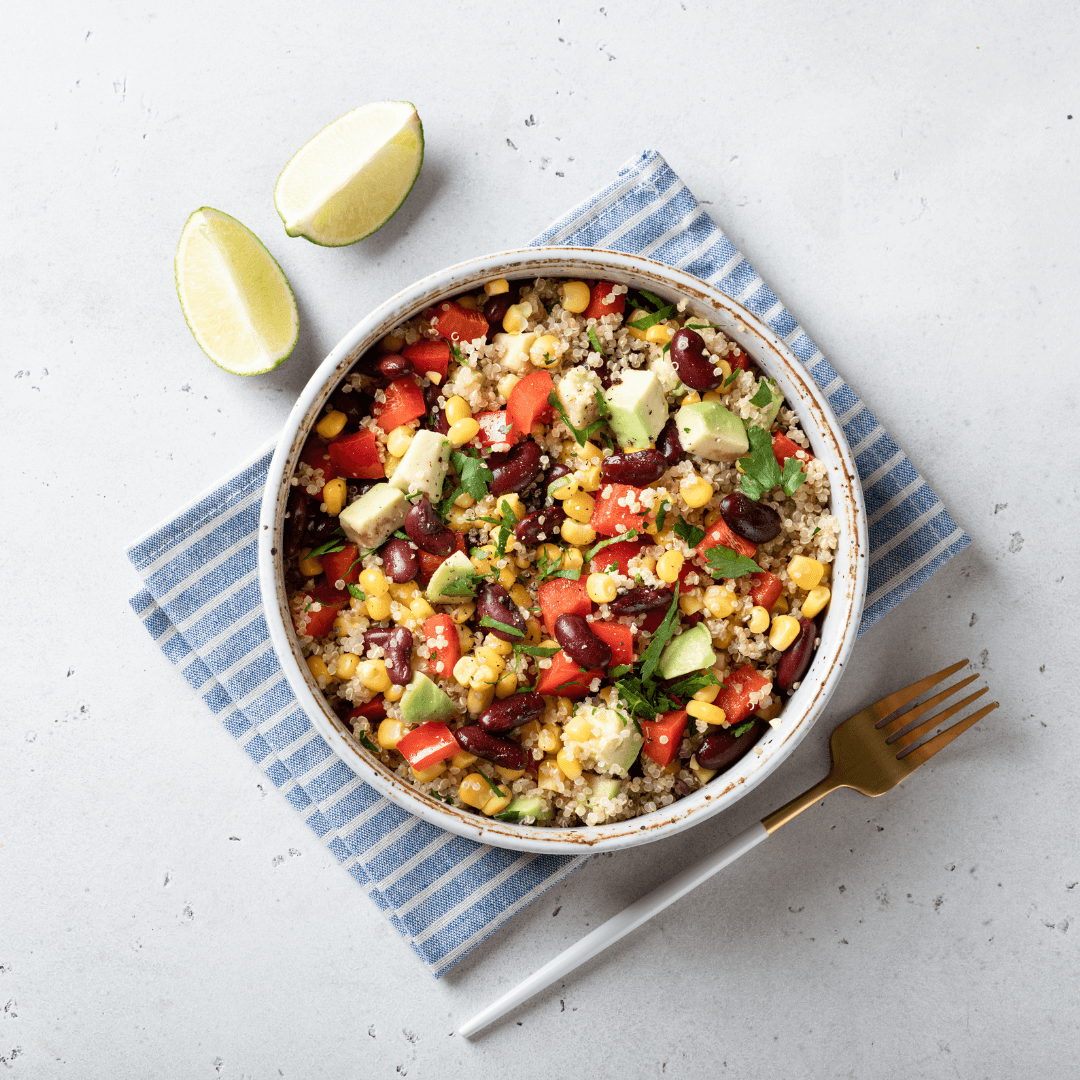
Quinoa, a revered ancient grain, is a nutritional marvel that has found its rightful place in modern plant-based diets. Renowned for its unique nutrient composition, quinoa is a complete protein, an attribute rarely found in plant-based foods.
Comprising all nine essential amino acids, quinoa is a nutrient-packed powerhouse that can meet the protein requirements of vegans exceptionally well.
The exceptional versatility of quinoa further amplifies its appeal. Its delicate nutty flavour and tender yet slightly crunchy texture serve as a canvas for various culinary creations, ranging from hearty grain bowls and vibrant salads to comforting porridges and delectable stuffed vegetables.
This adaptable grain satiates the palate and nourishes the body with a robust nutritional profile that includes protein, dietary fiber, magnesium, iron, and B vitamins.
Quinoa's status as a complete protein underscores its significance as a foundational element within the vegan diet. It supports muscle repair, immune function, and overall vitality, positioning itself as a strategic ally for those seeking to maintain balanced nutrition.
With quinoa's bounty of nutrients and its remarkable protein integrity, it stands as a testament to the profound potential of plant-based foods in crafting well-rounded and nourishing dietary choices that honour both health and ethical values.
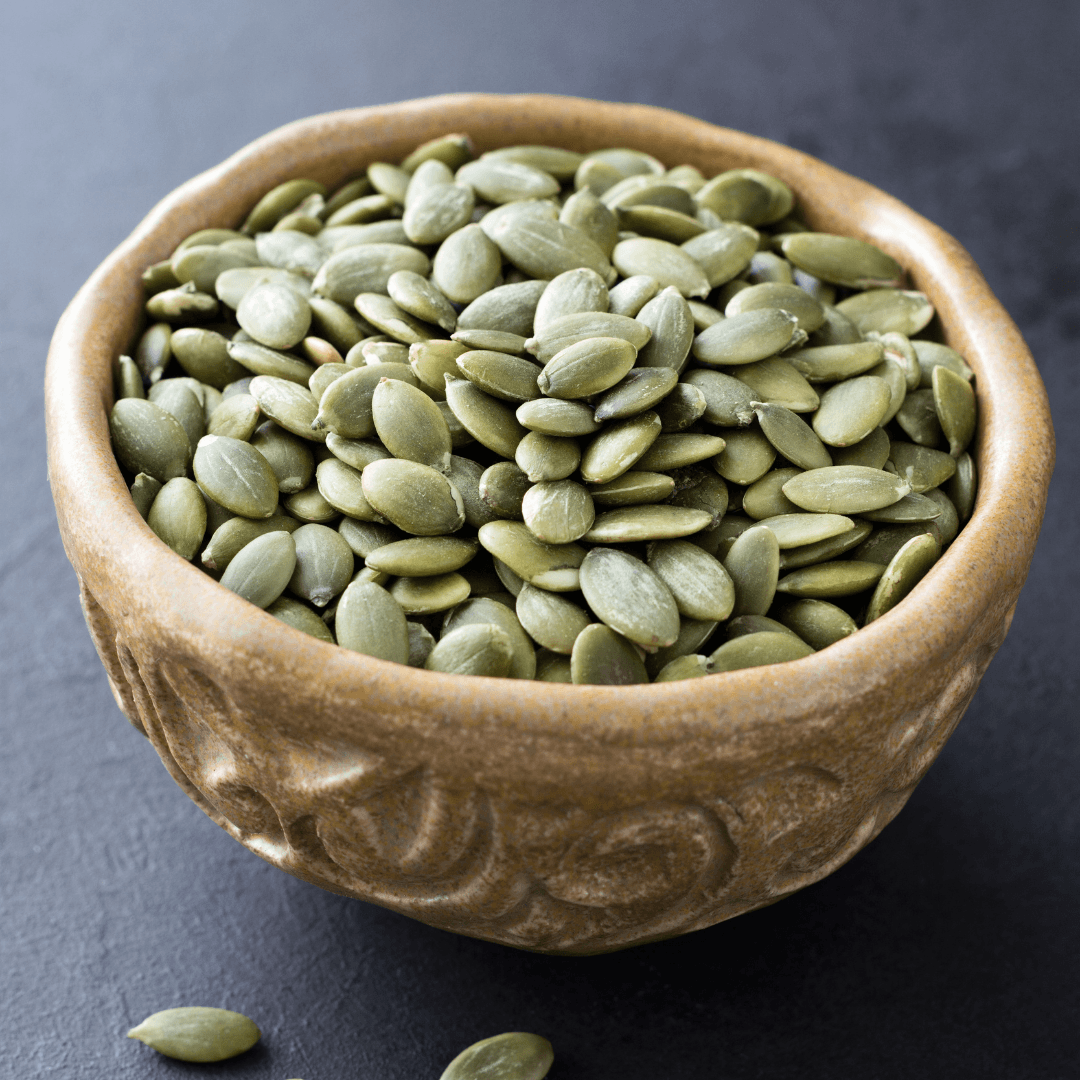
7. Pumpkin Seeds (Pepitas)
Pumpkin seeds, affectionately known as pepitas, stand as a small yet potent nutritional treasure trove within plant-based protein sources.
Beyond their delectable crunch and earthy flavour, these unassuming seeds boast an impressive nutritional profile that extends far beyond protein.
With a generous supply of iron, magnesium, and zinc, pumpkin seeds emerge as a dynamic and multifaceted addition to the vegan diet.
The protein content of pumpkin seeds aligns harmoniously with their role as a muscle-supporting nutrient.
This protein infusion improves tissue repair, immune function, and overall health maintenance. Meanwhile, iron supports oxygen transport in the body, bolstering energy levels and ensuring cellular vitality.
Additionally, the duo of magnesium and zinc collaborates to enhance bone health, nerve function, and immune resilience, fortifying the body's mechanisms of well-being.
Pumpkin seeds' culinary adaptability further amplifies their allure. As a standalone snack, they cater to midday nourishment, offering a satiating crunch rich in essential nutrients. Incorporating them into salads adds a textural dimension and a nutrient boost, elevating the vibrancy of meals.
Furthermore, the creative potential extends to using them as a garnish for soups, a crunchy topping for yogurt, or a foundational element within energy bars.
Pumpkin seeds beckon individuals to savour the harmony of flavour and nourishment, embracing their unique blend of protein and essential minerals, embodying nature's nutritional bounty.
8. Green Peas
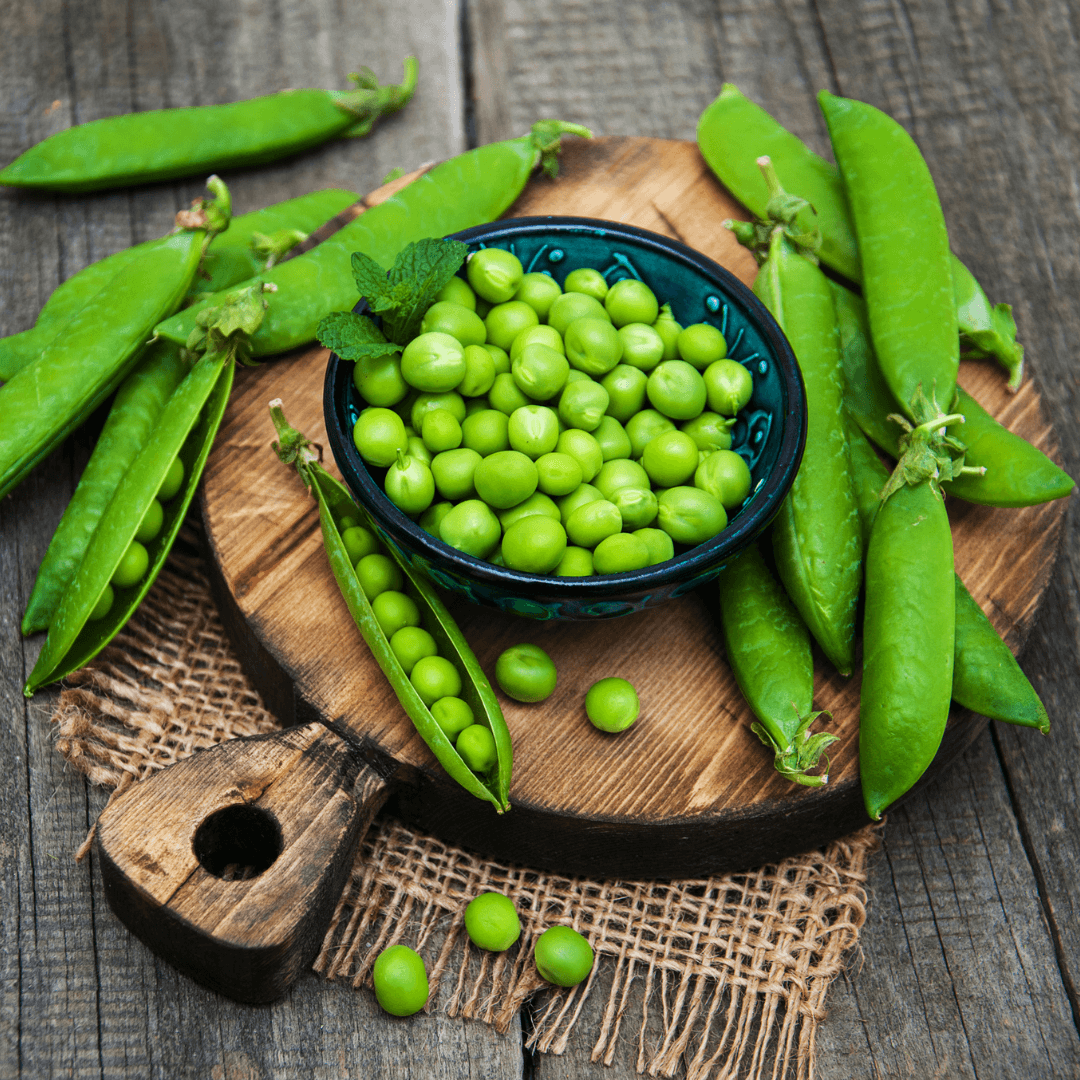
Green peas, a humble and often underestimated legume, unveil an unexpected and commendable protein content that bolsters their position as a discreet yet impactful addition to the array of plant-based protein sources.
Their tender sweetness and vibrant hue belie the nutritional bounty they offer, providing a convenient and wholesome source of protein for vegans.
While other legumes may overshadow their protein contribution, green peas are a versatile and nutrient-rich option that can seamlessly integrate into diverse culinary endeavours.
The protein content in green peas is essential in supporting muscle maintenance and repair and contributing to overall well-being.
Beyond protein, its distinctive food profile includes a variety of vitamins and minerals, such as vitamin K, vitamin C, and dietary fiber, which support immune function, bone density, and gastrointestinal regularity.
The unassuming nature of green peas belies their potential to shine as a stand-alone snack, either fresh or frozen, or to enhance the texture and nutritional content of soups and stews.
Their gentle flavour and soft texture make them well-suited to being transformed into dips, allowing them to be creatively harnessed to elevate the nutritional value of meals.
9. Lentil Pasta
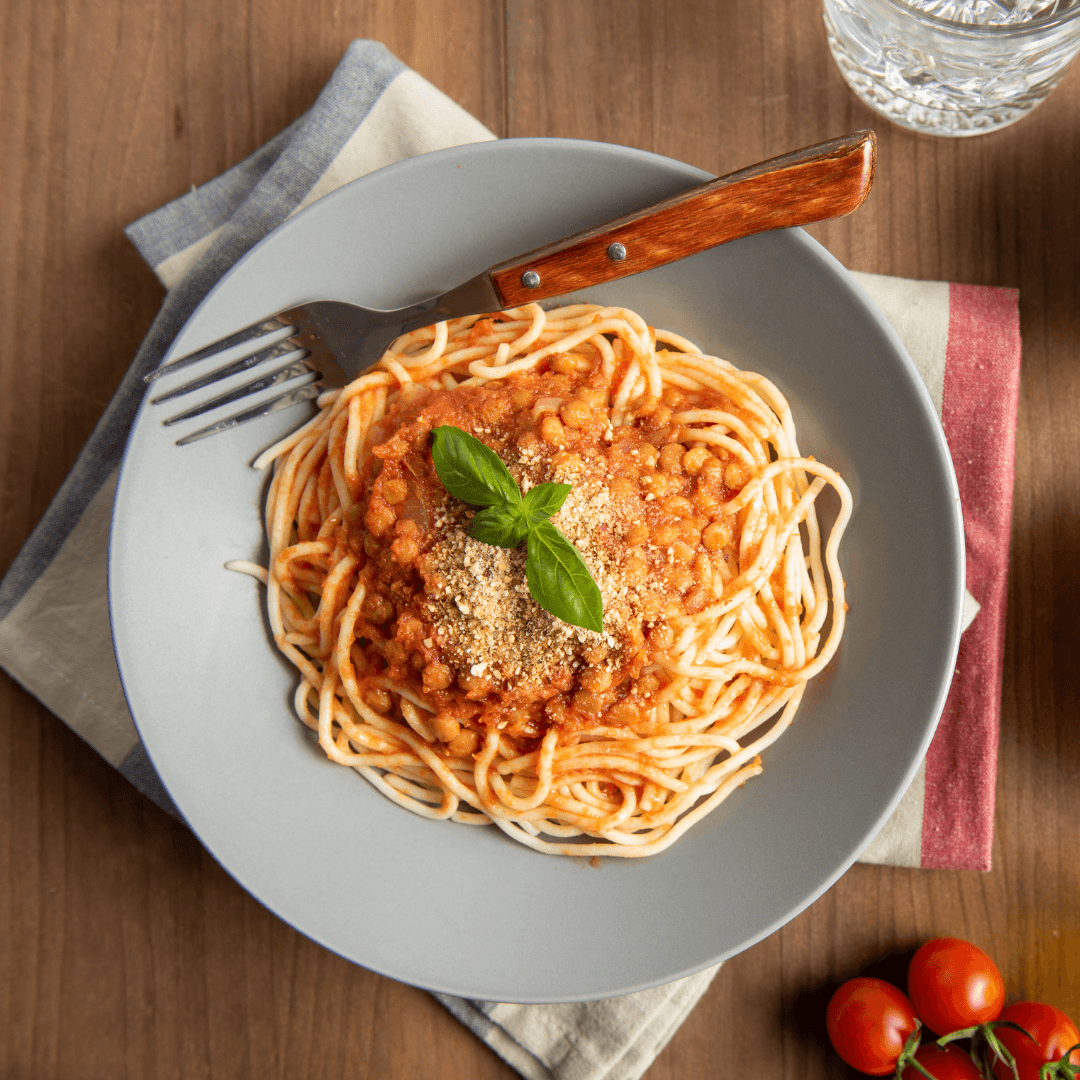
Lentil pasta, a captivating innovation within plant-based cuisine, emerges as a stellar protein-rich alternative to conventional wheat-based pasta.
Crafted from lentil flour, this culinary gem offers an enticing way to elevate protein intake while indulging in a comforting pasta dish.
Beyond its protein prowess, lentil pasta distinguishes itself with a unique nutty undertone and a firm texture that elevates the sensory experience of every bite.
The protein content inherent in lentil pasta is a remarkable feature that sets it apart from traditional wheat counterparts.
Lentils, as a legume, are renowned for their formidable protein composition, and this characteristic is seamlessly translated into the pasta derived from their flour.
This protein infusion supports muscle health, satiety, and balanced energy levels. Furthermore, the natural nutty essence of lentil pasta lends a distinct, satisfying flavour profile that harmonizes beautifully with a range of sauces and seasonings.
Lentil pasta's textural integrity adds a layer of culinary excitement to dishes. Its al dente consistency complements both light and hearty sauces, allowing it to be seamlessly integrated into a spectrum of creations, from zesty marinara to creamy Alfredo.
As a testament to innovation, lentil pasta beckons individuals to embark on a gastronomic adventure that meets protein needs and celebrates the interplay of flavours, textures, and wholesome nourishment.
10. Nut Butter
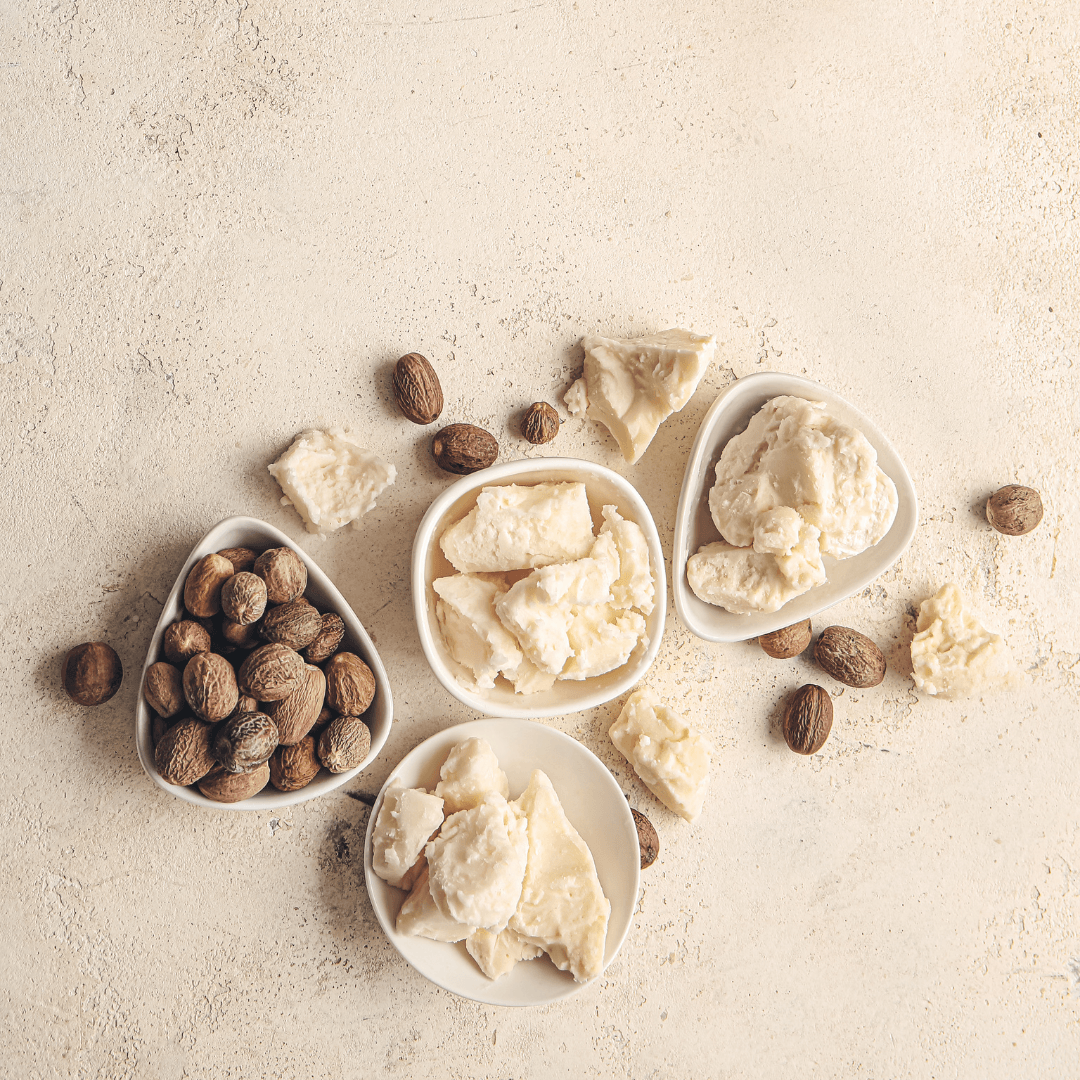
Nut butter embodies creamy indulgence and is a delectable, nutrient-dense addition to the spectrum of plant-based protein sources.
While peanut butter remains a household favourite, the realm includes almond, cashew, and walnut varieties, each delivering a unique blend of flavours and nutritional benefits.
These nutty concoctions serve as a dual powerhouse, offering a substantial dose of protein alongside a bounty of healthy fats, collectively supporting a range of bodily functions.
The protein content within nut butter aligns harmoniously with its role in supporting muscle maintenance and repair. This protein infusion, with its inherent array of essential amino acids, contributes to a well-rounded nutritional profile.
Simultaneously, the wholesome fats in nut butter, including monounsaturated and polyunsaturated fats, nurture heart health, cognitive function, and the absorption of fat-soluble vitamins.
Their culinary adaptability extends to myriad possibilities, from spreading them on whole-grain toast for a satisfying breakfast to blending them into smoothies for a velvety richness that enhances flavour and nutrition.
Moreover, nut butter can be transformed into delightful dips or used as a versatile ingredient in various recipes, infusing depth and complexity into sauces, dressings, and baked goods.
Nut butter is a harmonious blend of taste and nourishment in plant-based nutrition, inviting individuals to savour its luscious textures and multifaceted flavours.
With their marriage of protein and healthy fats, they exemplify the art of indulgence that delights the palate and honours the body with a robust nutritional embrace. They spotlight the capacity of plant-derived ingredients to elevate culinary experiences while fostering wellness.
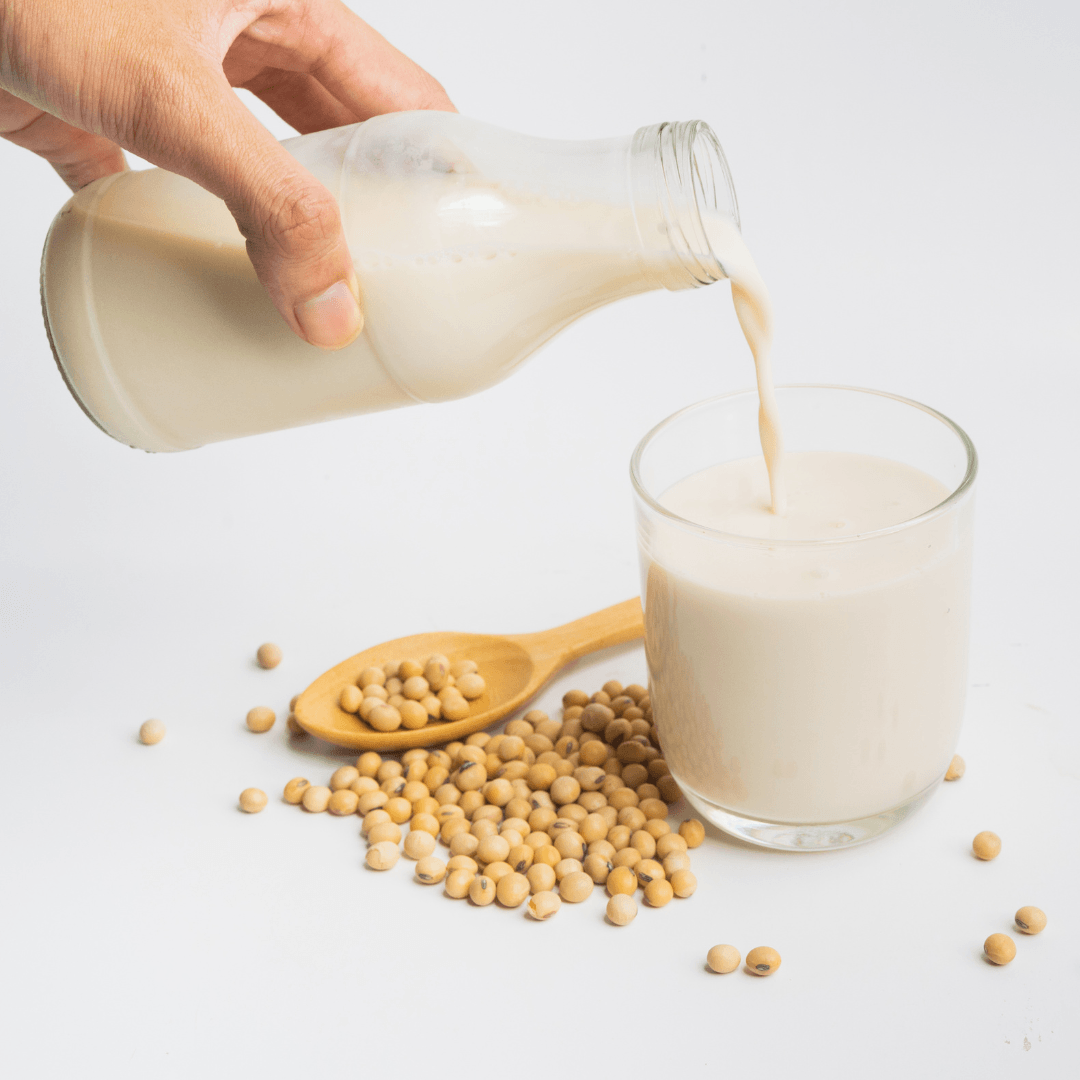
11. Soy Milk
Soy milk, a staple among plant-based beverages, is a versatile, protein-rich option that mirrors the protein content of its dairy counterpart.
Beyond its familiar status, the spotlight on soy milk's commendable protein profile underscores its ability to meet the nutritional needs of individuals embracing a vegan lifestyle.
With a protein content comparable to that of cow's milk, soy milk is a strategic ally in achieving sufficient protein intake.
Soy milk's protein bounty is complemented by its unique array of amino acids, rendering it a complete protein source that supports muscle health, immune function, and overall vitality.
Its incorporation into daily dietary routines enhances protein intake and the intake of essential nutrients that contribute to overall well-being. This culinary staple's versatility knows no bounds, seamlessly integrating into a wide range of dishes.
It harmoniously melds into morning rituals when blended into smoothies or stirred into coffee, creating a sumptuous, protein-packed beverage that fuels the day.
Its adaptability extends to culinary applications, serving as an ideal base for crafting creamy sauces that enhance the sensory experience of dishes while fortifying their nutritional value.
Conclusion
In the world of vegan nutrition, the landscape of protein sources is a vibrant tapestry woven from the bounty of plant-based ingredients.
The remarkable array of options available to those who embrace a vegan lifestyle is a testament to nature's rich potential to provide nourishment, sustenance, and vibrant health without animal products.
From legumes and nuts to innovative protein-rich alternatives, the vegan journey unveils a diverse and inspiring array of sources that meet protein needs while honouring ethical and environmental considerations.
This journey has illuminated that plants emerge as potent allies in their various forms in the quest for adequate protein intake.
From ancient grains to modern innovations, each source offers unique nutritional benefits, enabling the crafting of a well-rounded, satisfying diet that meets protein requirements.
By adopting these plant-powered protein sources, people can improve their physical well-being and connect their dietary preferences with values such as compassion, sustainability, and environmental awareness.
The vegan lifestyle invites exploration, experimentation, and enjoyment of the beauty of a food that respects both individual health and the health of the world we call home. Its variety of protein-rich offerings enriches it.
I trust you enjoyed this article on the 11 Best Vegan Sources Of Protein For Everyday Meals. Please stay tuned for more plant-based recipes, vegan travel tips, and lifestyle inspiration.
Take care!
— JeannetteZ 🌿
💬 Your Opinion Is Important To Me
Do you have thoughts, ideas, or questions? I’d love to hear from you. Please leave your comments below, or email me directly at Jeannette@LivingTheVeganLifestyle.org.
📚 More Vegan Lifestyle Reads
🌱 My #1 Recommendation for Online Success
Sharing my passion for vegan living — from food to fashion — has been such a rewarding journey.
If you’ve ever dreamed of building your own ethical lifestyle brand or blog, this is the best place to start.
🌟 See How Vegan Bloggers Build Online Income — Try WA Free (No Credit Card Needed)
Disclosure
This post may contain affiliate links. As an Amazon Associate and participant in other affiliate programs, I earn from qualifying purchases at no extra cost to you. Please read my full affiliate disclosure.