
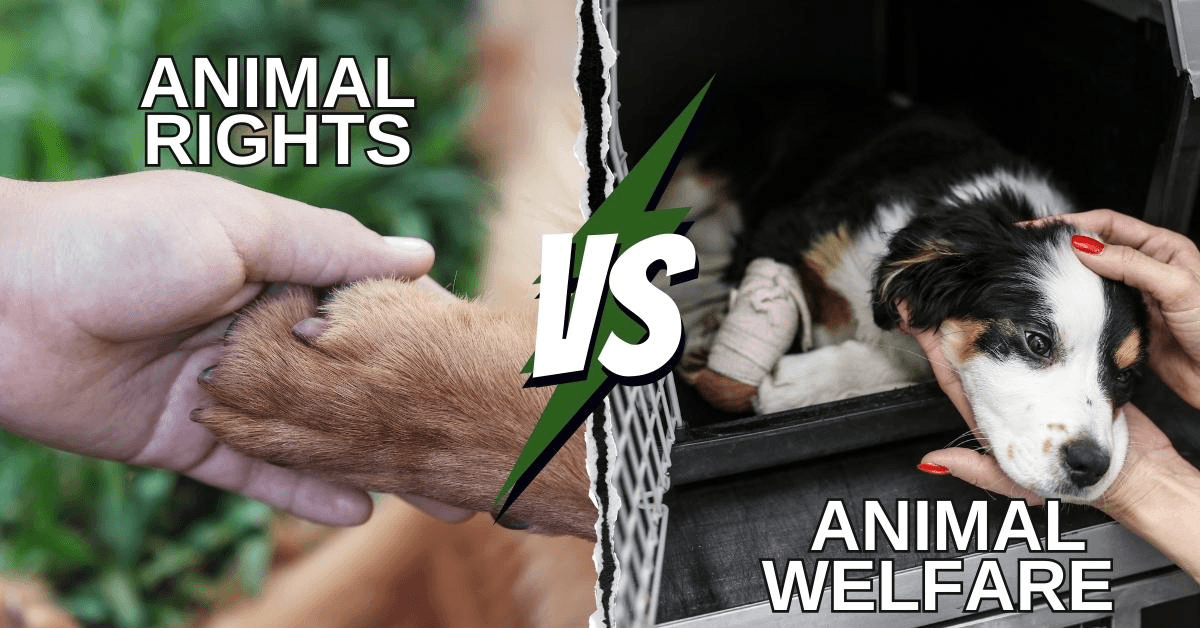
Animal Rights vs Animal Welfare: Key Differences
The discourse surrounding animal rights vs animal welfare encapsulates divergent philosophies on our ethical obligations toward non-human beings.
Animal rights advocates assert that animals possess intrinsic rights akin to humans, necessitating the abolition of practices that exploit them.
This perspective aims to eliminate industries like factory farming and animal testing, advocating for the complete cessation of all forms of animal exploitation.
Conversely, animal welfare proponents prioritize the ethical treatment and responsible care of animals within existing systems.
While they seek to minimize suffering and enhance the quality of life for animals, they may not advocate for their inherent rights.
Understanding the nuances between these perspectives is pivotal in shaping policies and practices concerning our treatment of animals.
What Are Animal Rights?
Animal rights is a philosophical concept that asserts animals possess inherent rights akin to those of humans by their sentience and capacity to experience pain and pleasure.
Animal rights activists contend that animals are sentient beings with a right to life free from exploitation and abuse rather than just objects to be used by humans.
This viewpoint promotes recognizing animals as unique beings with rights and interests, challenging the idea that people have the right to use animals for food, clothing, entertainment, or scientific research.
Animal rights proponents often call for the abolition of industries that exploit animals, such as factory farming, fur farming, circuses, and animal testing.
Central to animal rights is the belief that animals are not property to be owned, bought, or sold but rather sentient beings with intrinsic value and the right to autonomy.
This perspective emphasizes the moral duty of humans to consider animals' interests and refrain from actions that cause them suffering or deprive them of their natural freedoms. Animal rights advocates promote veganism to align personal actions with animal rights principles.
The animal rights movement strives to create a more compassionate and just society for all living beings by challenging traditional views of the human-animal relationship and advocating for legal protections for animals.
Why Are Animal Rights Important?
Animal rights are crucial for several reasons, underscoring the moral imperative to recognize and respect the intrinsic value and interests of non-human animals.
1. Moral Imperative
Animal rights assert that all beings, irrespective of species, possess inherent rights akin to those of humans and therefore require fair and just treatment.
This moral imperative underscores the ethical obligation to recognize and respect animals' intrinsic value, promoting a society that values compassion, equality, and dignity for all sentient beings.
2. Compassion And Empathy
Acknowledging animal rights cultivates empathy and compassion, encouraging a deeper appreciation of the welfare of all sentient beings.
This fosters a culture where individuals are motivated to alleviate animal suffering, promoting a more empathetic society that values the well-being of humans and animals.
3. Environmental Protection
Respecting animal rights indirectly protects biodiversity and ecosystems by preserving animals' habitats and natural environments.
This conservation effort helps to preserve our ecosystem for present and future generations by reducing the negative effects of practices like habitat destruction and deforestation.
4. Human Health
Upholding animal rights can benefit human health by mitigating public health risks associated with practices that violate animal welfare.
For instance, reducing intensive farming and antibiotic overuse in animal agriculture can help prevent the spread of zoonotic diseases, safeguard human well-being, and promote healthier ecosystems for both animals and humans.
5. Sustainability
Adopting ethical and sustainable practices aligned with animal rights contributes to environmental preservation and climate action.
By reducing the environmental impact of industries such as factory farming and animal testing, we mitigate factors that contribute to ecological degradation and climate change. This transition promotes a more sustainable future by respecting animal welfare.
6. Ethical Consumption
Acknowledging animal rights prompts individuals to adopt more ethical consumption habits, such as embracing plant-based diets and boycotting products tested on animals.
These choices align with the principles of compassion and sustainability, fostering a society that prioritizes animal well-being and reduces demand for industries that exploit them, thereby promoting a more humane and environmentally conscious world.
7. Interconnectedness
Recognizing animal rights underscores the interconnectedness of all life forms, emphasizing our shared existence within the natural world.
This acknowledgment cultivates a sense of responsibility towards the welfare of animals. It promotes sustainable behaviours and enhances the well-being of all living things by establishing a harmonious interaction between humans and the environment.
8. Legal Protection
Animal rights advocacy has led to the enactment of laws and regulations protecting animals from abuse and exploitation.
Legal protection ensures accountability for those who mistreat animals and provides avenues for justice in cases of abuse and neglect. By advocating for stronger legal frameworks, we create a society in which animals' rights are recognized.
9. Cultural And Social Progress
Upholding animal rights signifies societal advancement towards a more compassionate and ethical worldview.
This advancement promotes a culture of empathy and respect for all living things by challenging outdated beliefs and behaviours that prioritize human benefit over animal welfare.
By advocating for animal rights, we promote positive social change and work towards a more just and humane society.
10. Global Impact
Recognizing animal rights extends beyond national borders and has significant global implications. The welfare of animals is a universal concern that impacts ecosystems and societies worldwide.
This global perspective fosters a collective effort to create a more compassionate and sustainable world for humans and animals across continents and cultures.
Want to Share Your Passion for Vegan Living?
Discover how easy and fulfilling vegan living can be —
from recipes and travel to lifestyle and sustainability tips.
Read this blog post next:
How to Start a Vegan Blog (and Turn Your Passion into Purpose).
Animal Rights vs Animal Welfare
Animal rights vs animal welfare represent two distinct but related concepts that shape our ethical relationship with animals.
While they both aim to improve animal well-being, they approach this goal from different perspectives and advocate for varying levels of intervention.
1. Philosophical Basis Of Animal Rights
Animal rights are rooted in the belief that animals inherently possess rights akin to humans, emphasizing their intrinsic value and entitlement to fair treatment.
In contrast, animal welfare centers on ensuring ethical treatment and responsible animal care within existing systems without explicitly asserting their inherent rights.
While animal rights advocates argue for the abolition of practices that exploit animals, animal welfare proponents prioritize practical measures to enhance animal well-being without necessarily challenging the broader human use of animals.
Both concepts aim to improve the lives of animals but differ in their philosophical underpinnings and approaches to achieving this goal.

2. Goal Of Improving Animal Well-Being
A shared objective unites animal rights and welfare: enhancing animals' well-being and alleviating their suffering.
Both ideas place a high value on treating animals ethically and responsibly, seeking to protect them from exploitation and damage, regardless of philosophical differences.
Whether advocating for the recognition of inherent rights or promoting practical measures within existing systems, both movements seek to improve the quality of life for animals and foster a more compassionate and humane society.
Their mutual dedication to improving animal welfare underscores the importance of ethical considerations in treating non-human beings.
3. Approach To Animal Use
In approaching animal use, animal rights proponents advocate abolishing practices that exploit animals, such as factory farming and animal testing, grounded in the belief in animals' inherent rights.
Conversely, animal welfare focuses on improving animal treatment within existing systems without directly challenging broader human uses of animals.
Despite differing approaches, both share the common goal of enhancing animal well-being. While animal rights prioritizes systemic change to eliminate exploitation, animal welfare emphasizes practical measures to promote ethical treatment.
Ultimately, both philosophies aim to alleviate animal suffering and foster a world where animals are respected and protected.

4. Ethical Considerations
Both animal rights and animal welfare are deeply rooted in ethical considerations, recognizing the moral obligation of humans towards animals and advocating for their humane treatment.
Regardless of their philosophical differences, both concepts emphasize the importance of respecting and protecting animals' well-being.
They highlight the ethical imperative of considering the interests of animals alongside those of humans and strive to promote compassion, empathy, and justice in our interactions with non-human beings.
Ultimately, both philosophies are committed to fostering a world where animals are treated with dignity, compassion, and respect.
5. Focus On Systemic Change
Animal rights proponents prioritize systemic change, aiming to dismantle industries that exploit animals and create a society free from their exploitation and harm.
Conversely, animal welfare advocates focus on practical measures within existing systems to minimize animal suffering and improve their well-being, often through regulatory measures and guidelines.
Despite their differing approaches, both share the goal of enhancing animal welfare. While animal rights seek fundamental societal transformation, animal welfare emphasizes immediate measures to improve animal conditions, underscoring the shared commitment to ethical treatment and respect for all living beings.

6. Legal Protection
Both animal rights and animal welfare advocate for legal protections to ensure ethical treatment and proper care of animals. However, the extent of these protections may vary between the two approaches.
While animal rights proponents may seek more comprehensive legal frameworks to reflect animals' inherent rights, animal welfare proponents focus on implementing regulations and guidelines to improve animal well-being within existing systems.
Despite these differences, both philosophies emphasize the importance of legal safeguards to uphold ethical standards and prevent cruelty towards animals, underscoring the shared commitment to advocating for their welfare and rights within the legal system.
7. Treatment Of Animals As Individuals
Animal rights advocates treat animals as individuals, recognizing them as beings with intrinsic value and rights, deserving equal consideration of their interests alongside humans.
Conversely, animal welfare emphasizes providing animals with adequate living conditions, nutrition, and medical care without necessarily attributing their inherent rights.
While both approaches aim to improve animal welfare, their philosophical underpinnings regarding animals' rights and status differ.
Animal rights prioritize recognizing animals' inherent rights, while animal welfare focuses on practical measures to ensure their well-being within existing systems.

8. Promotion Of Compassion And Empathy
Both animal rights and animal welfare share the goal of promoting compassion, empathy, and respect for animals, striving to cultivate a more ethical society.
Regardless of their philosophical differences, both concepts emphasize recognizing animals as sentient beings deserving of empathy and consideration.
The animal rights and animal welfare movements work to create a culture of compassion and kindness towards all living things by supporting the humane treatment of animals and raising awareness of their welfare. Ultimately, they aim to create a world where animals are respected, protected, and valued.
What Is Animal Welfare?
Animal welfare is a concept centred on the ethical treatment and responsible care of animals, emphasizing their well-being within human-managed environments.
Proponents of animal welfare advocate for standards and practices that ensure animals receive appropriate living conditions, nutrition, health care, and protection from harm.
This perspective acknowledges that humans are responsible for caring for animals under their control, whether in agricultural, research, entertainment, or companion-animal settings.
Animal welfare initiatives often involve developing guidelines, regulations, and certification programs to improve animal treatment and minimize suffering.
At its core, animal welfare seeks to balance human interests and animal well-being, recognizing that some level of human use of animals may be acceptable as long as it is carried out humanely and ethically.
While animal welfare advocates may not necessarily call for the complete cessation of all human use of animals, they emphasize the importance of considering animals' physical and psychological needs and implementing practices that promote their welfare.
Animal welfare initiatives strive to foster a harmonious relationship between humans and the animals with whom we share our planet by promoting responsible stewardship and compassionate care.
Why Is Animal Welfare Important?
Understanding the importance of animal welfare involves ethical considerations, environmental sustainability, human health, and societal values.
1. Ethical Responsibility
Ethical responsibility in animal welfare entails recognizing our moral duty to treat animals with compassion and dignity and acknowledging their ability to feel pain, suffering, and happiness.
Upholding animal welfare standards reflects a commitment to ethical principles prioritizing the well-being and rights of sentient beings beyond the human species.
2. Human Health
Proper animal welfare practices safeguard animal well-being and significantly affect human health.
Promoting animal welfare contributes to a healthier environment for both animals and humans by reducing the prevalence of zoonotic diseases, enhancing food safety standards, and decreasing reliance on antibiotics in animal agriculture.

3. Environmental Conservation
Promoting animal welfare is vital in environmental conservation efforts. We uphold the well-being of animals and the environment by advocating for practices that reduce pollution, conserve natural resources, and protect habitats and ecosystems.
Emphasizing animal welfare aligns with sustainable principles, fostering a healthier planet for present and future generations.
4. Economic Viability
High animal welfare standards are ethically sound and economically beneficial, particularly for industries reliant on animals, like agriculture.
Prioritizing animal welfare improves productivity, reduces waste, and enhances product quality, ensuring these industries' long-term viability and sustainability. Investing in animal welfare can lead to increased efficiency and profitability.
5. Social And Cultural Values
Animal welfare is deeply intertwined with societal values, reflecting principles of compassion, empathy, and justice.
These values shape cultural norms and attitudes towards animals, influencing ethical consumption choices and driving societal expectations for their treatment.
Emphasizing animal welfare promotes a culture of empathy and responsibility towards all living beings, fostering a more compassionate and ethical society.

6. Legal Protection
Legal protection for animal welfare ensures accountability and prevents abuse and neglect. Establishing and enforcing laws and regulations provides a framework for addressing mistreatment and holding individuals and industries accountable for their actions.
This legal recourse protects animals and promotes a culture of respect and responsibility towards their well-being within society.
7. Research And Innovation
Investing in animal welfare research and technology drives innovation in animal husbandry, veterinary care, and handling techniques.
This fosters advancements that improve animal well-being across industries, promoting more humane and sustainable practices.
By prioritizing research and innovation, we continuously improve animal welfare standards, ensuring a better quality of life for animals while meeting the needs of evolving industries.

8. Public Trust And Consumer Confidence
Commitment to animal welfare enhances public trust and consumer confidence in businesses and organizations involved in animal-related industries.
By prioritizing the ethical treatment of animals, companies demonstrate integrity and responsibility, fostering positive reputations and long-term sustainability.
Consumers are more likely to support and patronize businesses that prioritize animal welfare, leading to increased profitability and market competitiveness.
9. Psychological Well-Being
Promoting animal welfare benefits animals and positively impacts human mental health and well-being.
By fostering empathy, compassion, and a sense of responsibility toward animals, individuals experience psychological benefits, including greater empathy and connection with others.
Recognizing and advocating for animal welfare can contribute to a more compassionate and empathetic society.
10. Interconnectedness
Promoting animal welfare underscores the interconnectedness of all life forms and the symbiotic relationship among humans, animals, and the environment.
By acknowledging this interconnectedness, we recognize the importance of harmonious coexistence for the planet's well-being. Upholding animal welfare standards fosters a more sustainable and balanced ecosystem.

Conclusion
Animal rights vs animal welfare represents a fundamental debate regarding our treatment of non-human animals in ethics and society.
While both concepts aim to improve the well-being of animals, they diverge in their underlying philosophies and approaches.
Animal rights advocates support recognizing animals as individuals with inherent rights and seeking to abolish practices that exploit them.
Conversely, animal welfare proponents focus on the ethical treatment and responsible care of animals within existing systems, aiming to minimize suffering and enhance their quality of life.
Understanding the nuances between these perspectives is crucial for shaping policies and practices that reflect our moral obligations toward animals and strive for a more compassionate and just coexistence between humans and the rest of the animal kingdom.
I trust you enjoyed this article on the Animal Rights vs Animal Welfare: Key Differences. Please stay tuned for more plant-based recipes, vegan travel tips, and lifestyle inspiration.
Take care!
— JeannetteZ 🌿
💬 Your Opinion Is Important To Me
Do you have thoughts, ideas, or questions? I’d love to hear from you. Please leave your comments below, or email me directly at Jeannette@LivingTheVeganLifestyle.org.
📚 More Vegan Lifestyle Reads
🌱 My #1 Recommendation for Online Success
Sharing my passion for vegan living — from food to fashion — has been such a rewarding journey.
If you’ve ever dreamed of building your own ethical lifestyle brand or blog, this is the best place to start.
🌟 See How Vegan Bloggers Build Online Income — Try WA Free (No Credit Card Needed)
Disclosure
This post may contain affiliate links. As an Amazon Associate and participant in other affiliate programs, I earn from qualifying purchases at no extra cost to you. Please read my full affiliate disclosure.