
The Top Benefits Of Eating Ripe Bananas
Ripe bananas offer benefits beyond their naturally sweet taste and soft texture. This popular fruit provides essential nutrients, including potassium, vitamin B6, and dietary fibre, that support everyday health. Whether you enjoy bananas at breakfast, blend them into smoothies, or eat them as a quick snack, they offer a simple way to add nutrition to your diet. Let’s explore their health benefits, nutritional value, and delicious ways to enjoy them.
History Of The Banana
Bananas have a fascinating history that stretches back thousands of years. Researchers believe that bananas were first domesticated in Southeast Asia and the surrounding regions, where early communities cultivated wild banana plants for food. Over time, trade and migration spread cultivation to India, Africa, and other tropical regions.
Today, bananas grow in many tropical and subtropical countries. They are an important food crop in places such as India, the Philippines, Ecuador, and Bangladesh. Modern cultivated bananas differ from wild varieties because they are generally easier to eat and contain fewer hard seeds.
Bananas have also become a familiar part of everyday diets worldwide. Their natural sweetness, natural packaging, and year-round availability make bananas a convenient choice for people of different ages. From traditional dishes to modern smoothies and baked goods, bananas remain an important part of global food culture.
Nutrition Facts (1 Medium Ripe Banana, 118 g)
Calories: 105 kcal | Carbohydrates: 27 g | Sugar: 14.4 g | Fibre: 3.1 g | Protein: 1.3 g | Fat: 0.4 g | Potassium: 422 mg | Vitamin B6: 0.43 mg | Vitamin C: 10.3 mg | Magnesium: 32 mg | Sodium: 1.2 mg
*Source: USDA FoodData Central. Values are approximate.*
Benefits Of Eating Ripe Bananas
1. Provides Natural Energy For Everyday Activities
Ripe bananas provide convenient energy to help fuel your daily activities. According to USDA FoodData Central, one medium banana (about 118 grams) contains 105 calories and 27 grams of carbohydrates. These carbohydrates supply energy for your brain, muscles, and other body functions. As bananas ripen, some starch converts to sugar, giving the fruit its familiar sweetness. This makes ripe bananas a convenient snack before a walk or during a busy morning. For a more satisfying option, pair a banana with plain yogurt, nuts, or peanut butter. These additions provide protein or healthy fats alongside carbohydrates. Bananas offer a simple way to enjoy a naturally sweet snack without relying on heavily processed alternatives.
2. Supports Healthy Digestion
One valuable benefit of eating ripe bananas is their contribution to daily fibre intake. A medium-sized banana provides about 3.1 grams of dietary fiber, according to USDA nutrition information. Fibre supports normal bowel function and helps maintain digestive regularity. Ripe bananas also contain pectin, a soluble fibre that can influence stool consistency. However, individual responses vary, so bananas may feel comfortable for some people while causing bloating in others. Depending on their age and gender, adults should typically ingest 22–34 grams of fibre per day. A banana can contribute to this target alongside oats, vegetables, beans, and other fruits. Drinking enough water also helps fibre work effectively.
3. Helps Maintain Normal Blood Pressure
Potassium is an essential mineral that supports fluid balance, nerve signalling, and normal blood pressure regulation. One medium banana provides approximately 422 milligrams of potassium, making it a useful addition to a balanced eating pattern. The National Institutes of Health indicates that sufficient potassium consumption can aid in decreasing blood pressure by relaxing blood vessels and enhancing salt elimination. Research on the DASH eating pattern also demonstrates the value of combining potassium-rich foods with vegetables, fruits, and other nutritious choices. Bananas can contribute to this approach, but eating them alone will not prevent or treat hypertension. Enjoy them alongside beans, leafy greens, potatoes, and whole grains for greater dietary variety. People with kidney disease or prescribed potassium restrictions should consult their healthcare professional about appropriate portions.
4. Supports Normal Muscle And Nerve Function
Your muscles and nerves rely on minerals to transmit signals and coordinate movement. Ripe bananas provide potassium, with about 422 milligrams in one medium fruit, along with smaller amounts of magnesium. Potassium helps regulate electrical activity involved in muscle contractions and nerve communication. Magnesium helps maintain normal muscle function and energy metabolism. Bananas provide useful nutrients and make a convenient snack throughout the day. Eating a banana after daily activities also provides carbohydrates that help replenish the body’s energy stores. However, muscle cramps have several possible causes, including strenuous exercise, dehydration, and certain medical conditions. A banana is not a guaranteed remedy. Regular meals, adequate hydration, and appropriate recovery habits remain important for maintaining normal muscle function.
5. Contributes To Heart Health
A heart-friendly diet includes foods that provide fibre, potassium, and other nutrients while keeping overall sodium intake in balance. Ripe bananas fit this pattern because one medium fruit supplies approximately 422 milligrams of potassium, around 3.1 grams of fibre, and very little sodium. Potassium helps regulate blood pressure, an important factor in cardiovascular health. Harvard’s Nutrition Source identifies bananas as a potassium-rich fruit that can complement eating patterns like the DASH diet. For a balanced breakfast, combine banana slices with oats, unsweetened yogurt, and a small serving of nuts or seeds. This provides a broader mix of nutrients than relying on one food alone. Including bananas in a balanced diet rich in vegetables, legumes, whole grains, and other fruits can support cardiovascular health.
6. Supports Healthy Brain Function
Ripe bananas provide vitamin B6, which supports several processes involved in normal brain and nervous system function. A medium banana contains approximately 0.43 milligrams of vitamin B6. The National Institutes of Health states that adults ages 19 to 50 typically need 1.3 mg of this vitamin per day. It also participates in protein metabolism and other essential reactions. Eating bananas alongside whole grains, vegetables, nuts, seeds, and suitable protein sources can contribute to a varied nutrient intake. However, bananas are not a treatment for memory loss or neurological conditions. Brain health depends on many factors, including sleep, physical activity, and overall nutrition. A balanced diet offers broader support than relying on any single fruit.
7. Provides Antioxidants For Everyday Health
Ripe bananas contain naturally occurring plant compounds, including dopamine and phenolic compounds, that contribute to their antioxidant profile. As part of the body’s broader defence mechanisms, antioxidants can help shield cells from oxidative harm. However, the presence of antioxidants in a food does not automatically mean that eating it prevents a particular disease. Banana composition also changes as it ripens, so the amounts of individual compounds can vary by variety and maturity. A medium banana also provides about 10.3 milligrams of vitamin C, according to USDA-based nutrition data. You can enjoy ripe bananas alongside berries, citrus fruits, guava, and other colourful produce to obtain a wider range of plant compounds. This variety makes your diet more nutritionally diverse and supports a balanced approach to everyday health.
8. Offers A Convenient Option For Weight Management
Ripe bananas can fit comfortably into a weight-management plan because they provide useful nutrients in a convenient portion. One medium banana contains approximately 105 calories and 3.1 grams of fibre, making it an easy addition to breakfast or a snack. Its natural sweetness can also add flavour to oatmeal, smoothies, and homemade pancakes. A comprehensive study of 133,468 adults in the US examined how fruit and vegetable intake relates to weight changes over a span of up to 24 years. Bananas were among the fruits associated with less weight gain over time, although this observational finding does not prove that bananas cause weight loss. For a balanced approach, enjoy bananas alongside vegetables, whole grains, and protein-rich foods. Sustainable weight management depends on your overall eating pattern, activity, sleep, and individual health needs.
9. Supports Normal Immune Function
Ripe bananas contribute nutrients that help the body maintain normal immune function. These include vitamin B6, which participates in immune-system activity, and vitamin C, which supports normal immune responses and helps protect cells from oxidative damage. A medium banana provides approximately 0.43 milligrams of vitamin B6 and 10.3 milligrams of vitamin C. The National Institutes of Health states that vitamin B6 supports over 100 enzymatic reactions, including those involved in metabolism and immune processes. However, bananas supply only part of the nutrients your immune system needs. A varied diet that includes vegetables, legumes, whole grains, nuts, seeds, and appropriate protein sources provides broader nutritional support. Bananas can support a balanced diet that promotes normal immune function, but they cannot prevent or cure infections on their own.
10. Provides Vitamin B6 For Energy Metabolism
Vitamin B6 helps the body metabolize nutrients and carry out crucial metabolic processes. According to the National Institutes of Health, this vitamin participates in more than 100 enzyme reactions, including those involved in protein, carbohydrate, and fat metabolism. A medium banana provides about 0.43 mg of vitamin B6, contributing to the recommended daily intake of 1.3 mg for adults ages 19 to 50. Unlike carbohydrates, vitamin B6 doesn’t provide calories directly. Instead, it helps enzymes carry out processes that let the body use nutrients effectively. For a nourishing breakfast, add sliced ripe banana to oatmeal and top it with nuts or seeds. This combination provides carbohydrates, fibre, and additional nutrients. Including other vitamin B6 sources, such as potatoes, legumes, and fortified cereals, can help create a more balanced diet.
How Do You Keep Bananas Fresh?
Keeping bananas fresh for longer is easier when you understand how temperature, ripeness, and storage conditions affect them. With a few simple habits, you can slow down ripening, preserve their natural flavour, and reduce food waste.
1. Store Unripe Bananas At Room Temperature
Store unripe bananas at room temperature in a cool, dry area with good ventilation, shielded from direct sunlight. Excessive heat can accelerate ripening, causing the peel to develop brown spots sooner. A shaded kitchen counter or fruit bowl is usually a suitable choice. Bananas naturally release ethylene gas, which helps them ripen. Check their colour and firmness daily to monitor their progress. Once they reach your preferred ripeness, you can refrigerate them to slow further softening and help preserve the fruit inside for longer.
2. Refrigerate Ripe Bananas To Slow Ripening
Refrigerating ripe bananas slows further ripening and helps preserve the fruit inside longer. Although the peel may turn dark brown or black, the flesh can remain perfectly edible. This colour change results partly from the peel’s sensitivity to cold temperatures. If you can’t eat ripe bananas right away, refrigerate them and check regularly for signs of spoilage. An unpleasant smell, visible mould, or leaking liquid may indicate deterioration. Refrigeration generally suits ripe bananas better than green ones, which can suffer cold damage and develop an uneven texture.
3. Keep Bananas Away From Excess Heat
Warm temperatures can speed up banana ripening, especially in hot weather. To preserve freshness, keep bananas in a shaded, well-ventilated location away from sunny windows, ovens, and other heat sources. This is especially useful in hot environments, where fruit can quickly go mushy on the counter. Check your bananas regularly, and refrigerate them once they ripen. If several bananas ripen at once, peel and freeze the extras for later use. These steps help preserve banana quality and keep ripe fruit ready for smoothies, pancakes, and homemade banana bread.
4. Separate Bananas From Other Ripening Fruits
Bananas release ethylene, a natural plant hormone that promotes ripening. Other fruits, including apples, pears, and avocados, also produce ethylene, so storing them together may accelerate ripening in some circumstances. To keep your bananas firm longer, store them in a separate fruit bowl away from other ripening produce. This approach helps you manage ripening, although it cannot stop bananas from maturing naturally. Check their colour and texture regularly, especially during warm weather. Separating fast-ripening fruits can also reduce food waste and keep your kitchen storage more organized.
5. Freeze Overripe Bananas For Later Use
Freezing is a convenient way to preserve ripe bananas when you have more than you can eat. Peel the bananas, slice them into small pieces, and arrange the slices in a single layer on a freezer-safe tray. After freezing, store them in a sealed container or freezer bag to save space and maintain quality. Label the container with the date for easier storage. Frozen bananas are excellent for smoothies, banana bread, pancakes, and creamy frozen desserts. Their texture becomes softer after thawing, so they work best in recipes rather than as fresh, whole fruit.
6. Handle Bananas Gently To Prevent Bruising
Gentle handling helps bananas maintain their appearance and quality as they ripen. Their soft flesh can bruise when you squeeze, drop, or press them under heavy items. When shopping, choose bananas with firm peels and avoid placing heavy groceries on top of them during transport. At home, arrange the fruit in a single layer in a bowl or use a banana hanger to reduce pressure on individual fruits. Check for bruises regularly, and use slightly damaged bananas promptly if the flesh remains fresh. Handle them carefully to reduce unnecessary waste and keep your bananas looking appealing longer.
Quick tip: If your bananas are already ripe, refrigerate them for short-term storage or freeze peeled pieces for longer-term use. A dark peel alone does not necessarily mean the fruit has spoiled; check the flesh, smell, and texture before deciding whether to eat it.
Delicious Vegan Banana Recipes
1. Healthy Vegan Banana Bread Recipe
This healthy vegan banana bread combines naturally sweet, ripe bananas with wholesome spelt flour for a soft, flavourful loaf. It’s perfect for breakfast, an afternoon snack, or a homemade treat. Add chopped walnuts or plant-based chocolate chips for extra crunch and flavour.
Prep time: 10 minutes | Cook time: 50–55 minutes | Total time: 1 hour–1 hour 5 minutes | Servings: 8–10 slices
Dry Ingredients
- Spelt flour: 1¾ cups (210 g)
- Organic cane sugar: ⅓ cup (approximately 67 g)
- Baking powder: 1 teaspoon
- Baking soda: 1 teaspoon
- Sea salt: ¼ teaspoon, or to taste
Wet Ingredients
- Extra-ripe bananas: 3 large, mashed
- Avocado oil: ⅓ cup (approximately 79 ml)
- Vanilla extract: 1 teaspoon
- Unsweetened almond milk: ¼ cup (approximately 59 ml)
Optional Ingredients
- Walnuts: ½–⅔ cup, finely chopped
- Vegan chocolate chips: ¼–½ cup
- Ground cinnamon: 1 teaspoon
Method
- Preheat the oven to50°F (177°C). Gently oil a loaf pan or cover it with parchment paper.
- Whisk together the spelt, baking powder, baking soda, flour, cane sugar, and sea salt.
- Mash the ripe bananas until mostly smooth.
- Add the avocado oil, vanilla extract, and almond milk to the mashed bananas. Stir until combined.
- Add the wet ingredients to the dry ingredients. Stir gently until just combined, avoiding overmixing.
- Fold in the walnuts, vegan chocolate chips, or cinnamon if using. If the batter seems unusually thick, add a small splash of almond milk.
- Bake for 50–55 minutes, or until a toothpick placed in the center comes out clean. A few damp crumbs are acceptable.
- Remove the bread from the oven and let it cool in the pan for 10 minutes.
- Transfer the banana bread and allow it to cool before slicing.
Storage Tips
Store the completely cooled banana bread in an airtight container. Chill it to extend freshness, or freeze slices for easy snacks later.
2. Vegan Chocolate Chip Banana Squares Recipe
These vegan chocolate chip banana squares combine ripe bananas, warm cinnamon, and rich chocolate chips in a soft, easy-to-make treat. They’re ideal for lunchboxes, afternoon snacks, or a simple homemade dessert. Ripe bananas add natural sweetness and moisture, and the chocolate chips enhance the flavour in each bite.
Prep time: 10 minutes | Cook time: 15–20 minutes | Total time: 25–30 minutes | Servings: 9 squares
Ingredients
- Ripe bananas: 1 cup, mashed (approximately 2 medium bananas, depending on size)
- Brown sugar: ⅓ cup
- Plant-based milk: 3 tablespoons
- Vanilla extract: ½ teaspoon
- All-purpose flour: ¾ cup
- Ground cinnamon: ¾ teaspoon
- Baking soda: ½ teaspoon
- Sea salt: ¼ teaspoon
- Vegan chocolate chips: ½ cup, divided
Method
- Preheat the oven to 350°F (177°C). Lightly grease an 8 × 8-inch square baking pan or line it with parchment paper.
- Mash the overripe bananas in a big mixing bowl until almost smooth.
- Add the brown sugar, plant-based milk, and vanilla extract. Mix until well combined.
- Combine the all-purpose flour, ground cinnamon, baking soda, and sea salt.
- Add the dry ingredients to the banana mixture. Mix gently until the flour is just incorporated; avoid overmixing.
- Fold in half of the vegan chocolate chips.
- Distribute the batter uniformly in the prepared baking dish. The batter needs to be quite dense.
- Sprinkle the remaining chocolate chips over the top.
- Bake for 15–20 minutes, checking near the end. Avoid testing directly through a melted chocolate chip.
- Remove the pan from the oven and let the banana squares cool for 10–20 minutes before cutting.
- Slice into nine squares and carefully lift them from the pan.
- Serve them warm.
Storage Tips
Once completely cooled, store the banana squares in an airtight container. Refrigerate them for longer storage or freeze individual portions for later enjoyment.
Conclusion
From breakfast bowls to homemade treats, ripe bananas offer a convenient way to add nutrients and natural sweetness to everyday meals. Their versatility also makes them easy to enjoy in everyday meals and snacks. By combining bananas with a variety of nutritious foods, you can make your daily eating routine more enjoyable, balanced, and nourishing.
Frequently Asked Questions
Q1: Is It Good To Eat A Banana Every Day?
Yes, most healthy adults can enjoy a banana daily as part of a varied diet. The right portion depends on individual nutritional needs and health conditions. People who need to restrict potassium may require personalized guidance.
Q2: Are Ripe Bananas Good For Digestion?
Ripe bananas contain fibre, including pectin, which supports normal digestion. Some people find them easy to digest because of their soft texture. However, individual responses differ, and bananas may cause bloating in some people.
Q3: Are Ripe Bananas Good For Weight Loss?
Ripe bananas can fit into a weight-management plan because they provide fibre, nutrients, and natural sweetness. However, they do not directly burn fat. Overall eating habits, portion sizes, activity, and other lifestyle factors influence weight management.
Q4: Is It Better To Eat Bananas In The Morning Or At Night?
There is no universally best time to eat a banana. You can enjoy one in the morning, as an afternoon snack, or in the evening, depending on your routine and preferences. Your overall dietary pattern matters more than the exact timing.
Q5: Do Ripe Bananas Contain More Sugar Than Green Bananas?
Generally, yes. As bananas ripen, some starch converts into simpler sugars, making the fruit sweeter. Composition varies by variety and ripeness, but both green and ripe bananas can fit into a balanced diet.
Q6: Can People With Diabetes Eat Ripe Bananas?
Many people with diabetes can include bananas in their diet. Portion size, ripeness, meal composition, and individual glucose responses matter. A registered dietitian or healthcare expert can help you choose an approach that works for you.
Q7: Do Bananas Help Prevent Muscle Cramps?
Bananas provide potassium, which supports normal muscle function. However, muscle cramps have many possible causes, and eating a banana doesn’t guarantee it will prevent them. Hydration, exercise habits, and other health factors may also matter.
Conclusion
From breakfast bowls to homemade treats, ripe bananas offer a convenient way to add nutrients and natural sweetness to everyday meals. Their versatility also makes them easy to enjoy in everyday meals and snacks. By combining bananas with a variety of nutritious foods, you can make your daily eating routine more enjoyable, balanced, and nourishing.
I trust you enjoyed this article on the [Vegan Site Topic]. Please stay tuned for more plant-based recipes, vegan travel tips, and lifestyle inspiration.
Take care!
— JeannetteZ 🌿
💬 Your Opinion Is Important To Me
Do you have thoughts, ideas, or questions? I’d love to hear from you. Please leave a comment below or email me directly at Jeannette@LivingTheVeganLifestyle.org.
📚 More Vegan Lifestyle Reads
⭐ My #1 Recommendation for Online Success
Sharing my passion for vegan living — from food to fashion — has been such a rewarding journey.
If you’ve ever dreamed of building your own ethical lifestyle brand or blog, this is the best place to start.
🚀 See How Vegan Bloggers Build Online Income — Try WA Free (No Credit Card Needed)
Disclosure
This post may contain affiliate links. As an Amazon Associate and participant in other affiliate programs, I earn from qualifying purchases at no extra cost to you. Please read my full affiliate disclosure.
Top Benefits Of Eating Deliciously Ripe Bananas
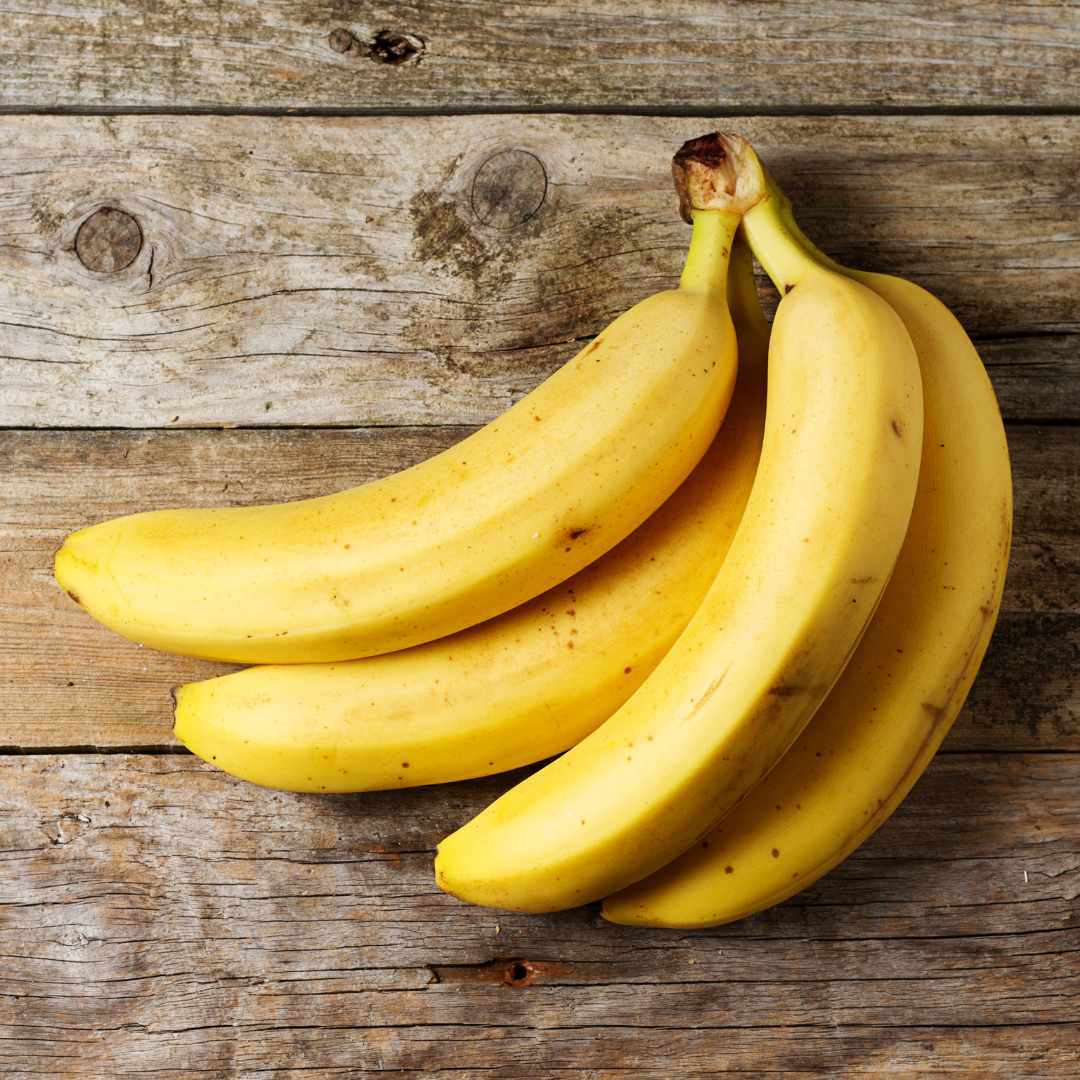
Bananas are the most popular fruit in the world. They are very healthy and can be added to any diet, even to weight loss or low-carb diets.
The dessert banana is the most cultivated one. They belong to the ‘Cavendish’ group and can be eaten raw. A banana is an elongated edible fruit – botanically a berry – produced by several herbaceous plants.
The fruit is variable in size, colour, and firmness. In some countries, the cooking version is called ‘plantains.’
- Family: Musaceae
- Genus: Musa
- Order: Zingiberales
- Kingdom: Plantae

History Of The Banana
The banana was not always yellow. It probably started as a smaller, browner fruit around 8,000 BC. Then, it was grown only in Southeast Asia and Papua New Guinea.
- Farmers took the early species of the banana, like the Musa Acuminata and the
- Musa balbisiana and crossbred them to a more sustainable fruit with fewer seeds.
- In the 15th century, Portuguese ships transported banana plants across the ocean and introduced them to Latin America and the Caribbean. That’s where people planted them.
- Now, over 80% of all exports come from these regions.
- The legendary Cavendish banana had not caught on just yet. The softer, creamier variety of Gros Michel was trendy. This species was virtually extinct in the 1960s by an invasive and incurable fungus. That’s when ‘The Cavendish, Gros Michel’s cousin, became more popular, especially since it was successfully grown in the same soil as the extinct ‘Gros Michel.’
Benefits Of Eating Bananas
There are many benefits of eating this delicious fruit.
The Banana Is One of The Best Sources Of Vitamin B6
Our bodies easily absorb vitamin B6 in the banana, and it helps us to:
- Produce red blood cells
- Metabolize amino acids
- Metabolize fats and carbohydrates
- Remove unwanted chemicals from the liver and kidneys
- Maintain a healthy nervous system
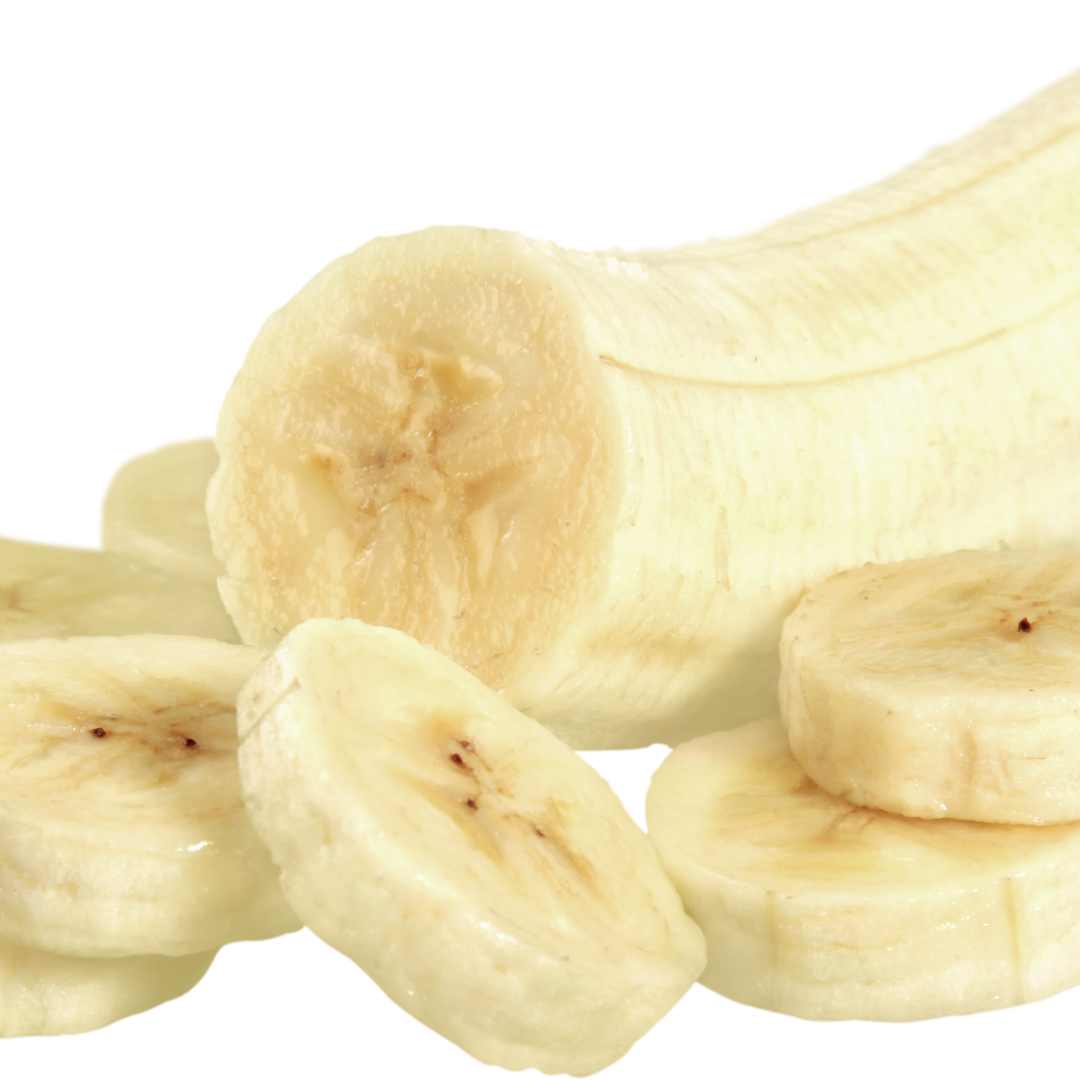
This Delicious Sweet Fruit Is A Good Source Of Vitamin C
Bananas contain quite a substantial amount of Vitamin C. This vitamin is essential for our bodies:
- Protect against cell and tissue damage.
- To absorb iron better.
- To produce collagen, which holds the body, bones & skin together
- To help the brain by producing serotonin
Bananas Contain Dietary Fibre And Manganese
Dietary fibre from raw fruit is good for our digestive health and regular bowel movement. It also helps you feel full longer and can improve cholesterol and blood sugar levels, preventing diseases like bowel cancer, heart disease & diabetes.
Manganese plays a significant role in the metabolism of nutrients.

Bananas Are Nearly Fat-Free
100 g of this fruit only contains 0.3 g of fat:
- Saturated fat 0.1 g
- Polyunsaturated fat 0.1 g
- Monounsaturated fat less than 0.1 g
Bananas Are Cholesterol-Free
100 g bananas contain 0 mg cholesterol
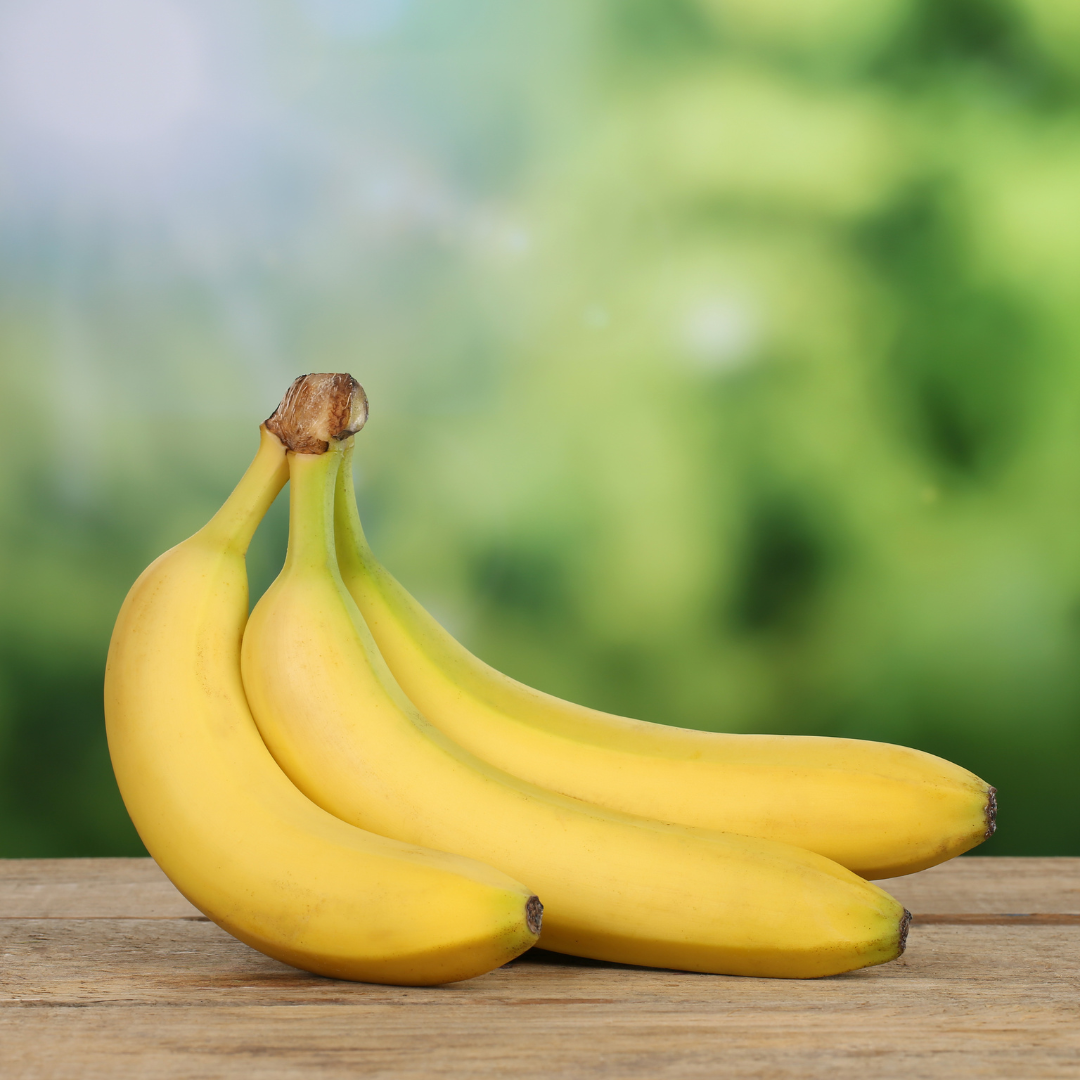
Bananas Contain Tiny Traces Of Sodium
100 g bananas contain 1 mg of sodium
Manganese
100 g of bananas contain 0.32 mg of manganese. This mineral plays a variety of roles, such as:
- It aids the metabolism.
- Manganese helps regulate blood sugar.
- This mineral contributes to decreased inflammation.
- It reduces premenstrual cramps.
- It is essential for bone health.
- It lowers the incidence of epileptic seizures.
- Manganese also contributes to good thyroid health.

Bananas Contain Small Amounts Of Potassium
Potassium has some excellent health benefits:
- It is a mineral which is highly important for heart health.
- Potassium helps manage blood pressure by supporting your body with detox and removing some sodium.
- This mineral relaxes the walls of our blood vessels and lowers blood pressure.
- It may reduce the risk of strokes.
- Potassium can help keep your bones healthy until a high age.
- It is essential for bodybuilding; potassium makes your muscles work better.
Bananas Can Aid Digestion And Help With Gastrointestinal Health
- This fruit contains prebiotics, which are food for the probiotics
- Bananas help people take antibiotics, replacing the removed or damaged probiotics.
- It reduces allergy symptoms
- It heals yeast & urinary infections
- Bananas lessen lactose intolerance
- A banana eases irritable bowel syndrome
Bananas Are One Of The Best Foods To Give You Energy!
They are an excellent source of carbohydrates, potassium & vitamin B6, all of which boost energy levels in our bodies. Energy is essential in our busy lives.
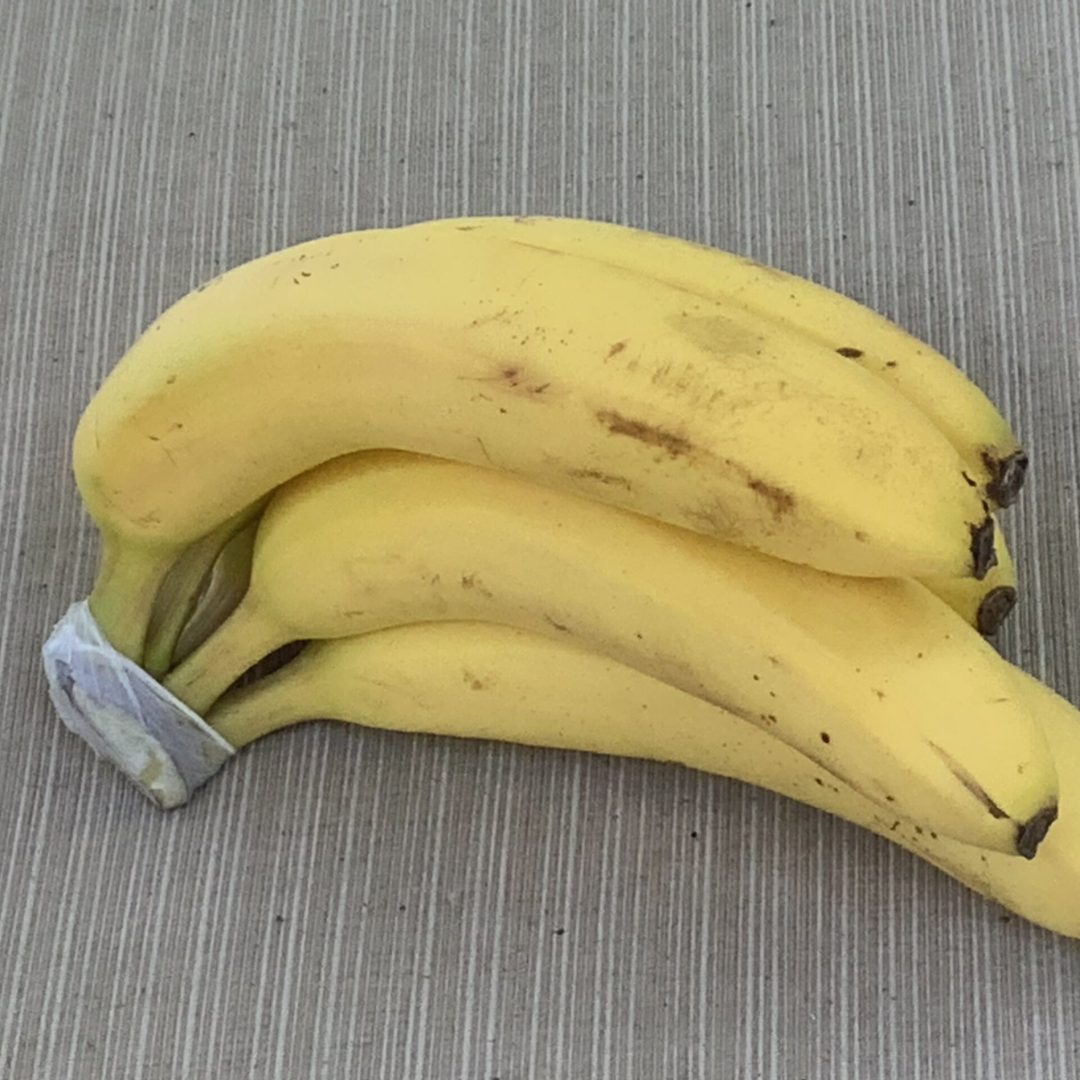
How Do You Keep Bananas Fresh?
- This is how you buy organic bananas in grocery stores. You cover the stems of bananas with plastic wrap (see image)
- It is important to recover the bunch after eating one of them.
- My favourite version is to separate the bananas into single fruit and then wrap its stem. This slows down the ripening even more.
- You can also cut them into slices and sprinkle them with lemon or lime juice.
Little-Known Facts About Bananas
There are some fascinating facts about this exciting fruit which I didn’t know myself:
- The banana is “botanically” a berry, not a fruit.
- The plants they grow on are not trees. The trunk is a pseudostem, which is all that supports the plant.
- The banana “tree” is the largest herbaceous flowering plant.
- 99% of bananas we eat today are cloned from one original plant because the most popular banana, Cavendish, cannot reproduce independently.
- You can use the inside of the peel to soothe itching from bug bites and poison ivy.
- There is an International Banana Museum in Mecca, California. It holds the Guinness world record for the most extensive collection of one fruit, with over 20,000 items related to bananas.

Delicious Vegan Banana Recipes
1. Healthy Vegan Banana Bread Recipe
Prep time: 10 minutes | Cook time: 55 minutes | Total time: 1 hour 5 minutes | Servings: 8-10 slices
Dry Ingredients
- Spelt flour: 1¾ cups (210g)
- Organic can sugar or maple syrup: ⅓ cup (75g)
- Baking powder: 1 teaspoon
- Baking soda: 1 teaspoon
- Sea salt: ¼ teaspoon or to taste (we use Celtic sea salt)
Wet Ingredients
- Extra ripe bananas: 3 large, mashed
- Avocado oil: ⅓ cup (75ml)
- Vanilla extract: 1 teaspoon
- Almond milk: ¼ cup (56ml)
Optional Ingredients
- Walnuts: ½ – ⅔ cups, finely chopped
- Vegan chocolate chips: ¼ – ½ cups
- Cinnamon: 1 teaspoon
Method
- Preheat the oven to 350°F (177°C). Grease your loaf pan. You can also use parchment paper.
- In a medium-sized bowl, combine the dry ingredients, such as flour, sugar, baking powder, baking soda, and sea salt.
- Set aside.
- Mash the bananas in another bowl.
- Mix the mashed bananas and the wet ingredients into the dry ingredients and combine them.
- Add almond milk if the mixture is too thick.
- Pour the batter into the prepared loaf pan.
- Bake for 50 minutes. Then, use a toothpick to test if the banana bread is done.
- Remove the banana bread from the oven and let it cool for 10 minutes.
As you can see, bananas are a trendy fruit. Each year, humans worldwide consume an estimated 100,000 billion bananas.
The average American eats 27 lbs a year! They have many benefits for your health, body, and brain. The most popular one exported today is the Cavendish. There are some interesting facts about the plant.
It is a herbaceous species, and the banana is botanically a berry. There are many benefits to eating bananas regularly. I am on a raw fruit diet and eat 8 – 12 bananas weekly.
I trust you enjoyed this blog post about the Top Benefits Of Eating Deliciously Ripe Bananas. Please stay tuned. More blog posts will be posted soon. Take care!
JeannetteZ 🌿
Would you like to grow your own bananas? However, do you only have a small garden area? Please click here to read my blog about Follow 10 Steps To Grow Banana Trees In Containers. You can find many more ideas on container gardening on my close-to-nature.org website.
>>>Want To Learn How To Create Delicious, Cruelty-Free, Healthy AND 100% Vegan Meals? Try These Awesome Vegan Cooking Courses With A Free 7-DAY MEMBERSHIP<<<
Your Opinion Is Important To Me
Do you have thoughts, ideas, or questions? I would love to hear from you. Please leave me your questions, experiences and remarks about the Top Benefits Of Eating Deliciously Ripe Bananas in the comments section below. You can also reach me by email at Jeannette@LivingTheVeganLifestyle.org.
Disclosure
This post may contain affiliate links. I earn from qualifying purchases as an Amazon Associate and through other affiliate programs. Please read my full disclosure.
Here are links to some of my favourite articles:
7 Best Vegan Banana Recipes For Your Kids
Eating An Apple A Day – A Healthy Choice
Benefits Of Eating Melons – A Delicious And Healthy Fruit
Living The Vegan Lifestyle – A Guide