15 Best Tips For Raising Vegan Kids
The Best Tips for Raising Vegan Kids go beyond choosing plant-based foods. Raising vegan children is also an opportunity to nurture compassion, environmental awareness, and thoughtful decision-making from an early age.
Parents can teach meaningful family values while helping their children understand how everyday choices connect to the wider world. These lessons encourage kindness, curiosity, and respect for others.
From developing respect for animals to exploring nutritious plant-based meals, everyday experiences offer valuable learning opportunities. Children can discover how their food choices affect their health, animals, and the environment.
With balanced nutrition, open conversations, and supportive parenting, families can make vegan living a positive part of childhood. These 20 tips offer practical guidance for raising healthy, compassionate, and well-informed children.
Is A Vegan Diet Suitable For Children?
Being vegan means avoiding animal-derived foods, including meat, fish, eggs, dairy products, and other animal-based ingredients. For many families, veganism also reflects their commitment to animal welfare, environmental responsibility, and personal values.
Raising vegan children requires careful nutritional planning. Childhood is a key period of growth and development, so a balanced diet matters.
A well-planned vegan diet includes fruits, vegetables, whole grains, beans, lentils, tofu, and fortified plant-based foods. Nuts and seeds can also provide valuable nutrients when prepared in age-appropriate forms.
Children need enough energy, protein, and essential nutrients to support healthy growth. Pay particular attention to vitamin B12, vitamin D, calcium, iron, iodine, zinc, and omega-3 fatty acids.
Research on strictly vegan diets in children remains limited. Parents should not assume that a plant-based diet automatically provides every nutrient their child needs.
Consulting a qualified pediatric dietitian or healthcare professional is an important step. They can help families plan nutritious meals, discuss appropriate supplements, and monitor their children’s growth and development.
20 Best Tips For Raising Vegan Kids
Raising vegan children involves more than preparing plant-based meals. Parents also need to consider balanced nutrition, healthy development, and the everyday challenges of raising children with different dietary needs.
Creating positive food experiences can help children develop healthy eating habits. Involving them in meal preparation, introducing a variety of foods, and encouraging open conversations can make vegan living more enjoyable.
Family members, teachers, and healthcare professionals also play an important role. Children benefit from feeling included and confident about their food choices at home, at school, and during social activities.
The following 20 tips offer practical guidance to support your child’s nutritional needs, emotional well-being, and growing independence as they embrace a vegan lifestyle.
1. Consult a Pediatrician or Qualified Pediatric Dietitian
Professional guidance is a key foundation for raising vegan children. A qualified healthcare professional can help parents plan meals that support their child’s growth and nutritional needs.
The 2025 ESPGHAN position paper reviewed 10 studies involving approximately 1,500 children following vegan diets. The researchers found insufficient evidence to determine whether strictly vegan diets consistently support normal growth and adequate nutrition.
This does not mean that every vegan diet is inadequate. However, it highlights the need for further research, careful meal planning, and appropriate nutritional guidance.
A pediatrician or qualified pediatric dietitian can assess your child’s dietary intake, growth, and individual requirements. They can also recommend suitable supplements and determine whether specific blood tests are necessary.
Rather than relying entirely on online meal plans, seek professional advice tailored to your child. Their age, appetite, development, and nutritional needs should guide everyday food choices.
2. Prioritize Vitamin B12 From Reliable Sources
Vitamin B12 supports normal neurological function and red blood cell formation. It deserves particular attention because unfortified plant foods do not reliably provide this essential nutrient.
Children following a vegan diet need dependable vitamin B12 sources. The 2025 ESPGHAN position paper recommends daily, age-appropriate supplementation alongside attention to fortified foods.
Parents should consult a qualified healthcare professional about suitable supplements and doses. Individual requirements depend on the child’s age and nutritional needs.
Fortified plant-based drinks, breakfast cereals, and nutritional yeast may contain vitamin B12. However, not every product is fortified, and the amounts can vary considerably.
Checking nutrition labels helps parents identify reliable sources. Our guide to the Best Sources Of Vitamin B12 For Kids provides additional information about incorporating this nutrient into a plant-based diet.
A consistent approach to vitamin B12 is essential. Even a varied vegan diet may not provide adequate amounts without supplementation or other reliable sources.
3. Build Balanced Meals With Diverse Plant Foods
A nutritious vegan meal should include more than vegetables. Combine protein-rich foods such as lentils, beans, chickpeas, tofu, and suitable soy products with grains, potatoes, fruits, and vegetables.
Healthy fats are also important for growing children. Including suitable fat sources and enough energy helps meet their nutritional needs throughout childhood.
Some high-fibre meals can be very filling. Children may feel full before consuming enough calories, so parents should consider portion sizes and the overall balance of meals.
Variety allows families to combine different nutrients throughout the day. Instead of relying on one ingredient, offer a selection of plant foods that support a balanced diet.
For example, rice with lentils and vegetables can make a nutritious meal. Adding tofu, fortified foods, or healthy fats adds nutritional value. Our Best Vegan Meals For Kids offers more ideas for everyday family meals.
Exact portions depend on a child’s age, appetite, and individual requirements. A pediatric dietitian can help determine whether their diet provides enough energy, protein, and essential micronutrients.
Lentils are a versatile ingredient for family meals, providing plant protein, iron, and fibre. Our 6 Best Vegan Lentil Recipes For Your Kids offers practical ideas for introducing lentils through delicious, child-friendly dishes.
4. Pay Special Attention To Iron And Its Absorption
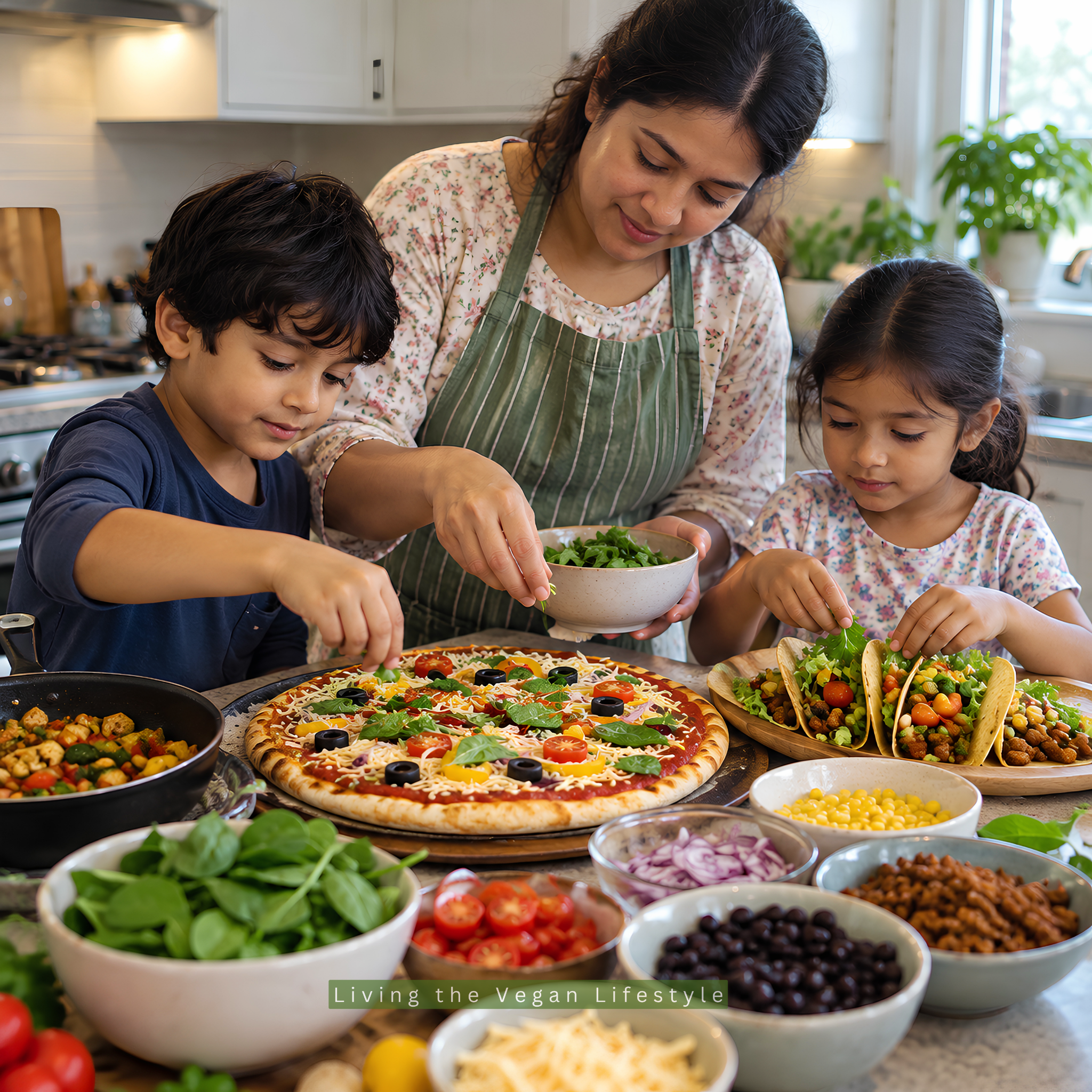
Iron supports oxygen transport and healthy development. Plant-based sources include lentils, beans, chickpeas, tofu, and iron-fortified breakfast cereals.
For more food ideas, explore our 8 Essential Vegan Iron Sources For Your Kids. This article provides additional information about including iron-rich plant foods in children’s meals.
However, the body generally absorbs iron from plant foods less efficiently than iron from animal sources. Combining iron-rich foods with vitamin C can improve absorption.
For example, serve lentils with tomatoes or add bell peppers to bean dishes. You can even explore growing tomatoes in containers or growing peppers in containers at home. Oranges and guava also provide vitamin C and make nutritious additions to suitable meals.
Research suggests that vegan children may meet their estimated dietary iron requirements while still having lower iron stores than children following omnivorous diets.
Lower ferritin levels can indicate reduced iron stores, but they do not automatically mean a child has an iron deficiency. This is why monitoring nutritional intake and growth remains important.
Seek professional advice if your child’s iron intake is inadequate or a deficiency is suspected. Give iron supplements only when a qualified healthcare professional recommends them.
5. Ensure Adequate Calcium And Vitamin D
Calcium and vitamin D support healthy bone development during childhood. Both nutrients deserve particular attention when planning balanced vegan meals for growing children.
Useful calcium sources include fortified plant-based drinks, calcium-set tofu, and other fortified foods. Our 10 Best Essential Vegan Calcium Sources For Your Kids offers additional ideas for including calcium-rich foods in children’s diets.
Calcium levels vary between plant-based drinks and other fortified products. Always compare nutrition labels rather than assuming every product provides the same amount.
Getting enough vitamin D from food alone can be challenging. Individual needs also depend on factors such as age, geographic location, and sunlight exposure.
Our guide to the Best Vegan Food Sources Of Vitamin D explores plant-based and fortified food options. However, dietary sources alone may not always provide sufficient vitamin D.
A healthcare professional can assess your child’s needs and recommend appropriate supplementation when necessary. Parents should not assume that sunlight exposure or a varied diet will always provide enough vitamin D.
Careful meal planning and professional guidance help families address these nutritional requirements. Regular attention to calcium and vitamin D intake is particularly important throughout childhood.
6. Include Suitable Sources Of Protein And Omega-3 Fatty Acids
Protein supports the growth, development, and maintenance of body tissues. Vegan children can obtain protein from lentils, beans, chickpeas, tofu, and suitable soy products.
Plant proteins differ in digestibility and essential amino acid composition. Parents should consider both protein quantity and quality when planning balanced meals for growing children.
Our guide to 11 Essential Cheap Vegan Protein Sources For Your Kids provides additional ideas for incorporating protein-rich plant foods into everyday meals.
Omega-3 fatty acids also contribute to normal bodily functions. Plant-based sources include ground flaxseed, chia seeds, and walnuts prepared in age-appropriate forms. Families interested in growing their own plants can also explore our guide to growing flax in containers.
These foods provide alpha-linolenic acid (ALA), a plant-based omega-3 fatty acid. However, the body’s conversion of ALA into DHA is limited and varies between individuals.
Our article on Best Vegan Forms Of Omega-3 For Kids explores additional sources of these essential fats and their role in children’s nutrition.
Parents of infants and young children should discuss age-specific requirements with a qualified healthcare professional. They can also advise whether an algae-derived DHA supplement is appropriate.
Offering a variety of protein-rich foods and healthy fats supports balanced nutrition. Careful planning is more reliable than relying on a single food to meet these needs.
7. Introduce New Foods Without Pressure
Children often need several opportunities to become comfortable with unfamiliar flavours and textures. Rather than insisting they eat something new, offer a small portion alongside foods they already enjoy.
Try serving chickpeas with rice or pairing tofu with a favourite vegetable. Offering different fruits throughout the week also gives children opportunities to discover new tastes.
Our Best Vegan Food For Kids provides additional inspiration for introducing a variety of plant-based foods. These ideas can help parents make everyday meals more interesting.
Exploring foods from other cultures can also make mealtimes more exciting. Asian cuisine offers inspiration through colourful vegetable dishes, rice, noodles, and tofu.
Our article on Asian Vegans: How Asia Perfected The Art Of Plant-Based Eating explores the rich traditions of plant-based cooking across Asia. Families can draw inspiration from these cuisines when introducing new flavours.
Involving children in food preparation makes the experience more enjoyable. They can help wash vegetables, choose ingredients, or prepare simple recipes suited to their age and abilities.
These everyday activities encourage curiosity without turning meals into a battle. Children have opportunities to explore different foods while developing confidence in their own preferences.
Avoid forcing children to finish their plates or using food as punishment. A relaxed atmosphere allows them to communicate their likes and dislikes without feeling pressured.
Gradual exposure is a useful parenting strategy, but every child develops their own food preferences. Some may need more time than others to accept unfamiliar ingredients.
If food refusal becomes severe, significantly limits dietary variety, or affects growth, seek professional advice. A qualified healthcare professional can help identify possible concerns and recommend appropriate support.

8. Provide Convenient, Nutrient-Rich Snacks
Nutritious snacks help children meet their daily energy needs between meals. They are particularly useful for active children and those with smaller appetites.
Good choices include fresh fruit, oatmeal, wholegrain toast, hummus, fortified soy yogurt, and homemade bean patties. These foods provide different nutrients while adding variety to everyday meals.
Depending on their age and nutritional needs, children can also enjoy smooth nut butter or finely ground seeds. These ingredients provide additional energy and valuable nutrients.
For more inspiration, explore our Best Vegan Diet Snacks. You’ll find additional plant-based snack ideas to consider for your family’s routine.
Snacks should complement balanced meals rather than replace them. Frequent grazing throughout the day may reduce children’s appetites at regular mealtimes.
Food preparation and supervision are especially important for younger children. The US Centers for Disease Control and Prevention recommends choosing food shapes, sizes, and textures appropriate for each child’s developmental stage.
Whole nuts, for example, pose a choking hazard for young children. Preparing foods safely and supervising snack times helps reduce these risks.
With a little planning, parents can offer nutritious snacks that suit their children’s needs. Simple, convenient choices make healthy eating easier during busy family days.
9. Make School Lunches And Social Events Easier
A little preparation makes school lunches, birthday parties, and playdates easier for vegan children. Planning ahead also helps them feel included and comfortable during social activities.
Contact teachers or school meal coordinators before special events to discuss available vegan options. Explain your child’s dietary requirements clearly and politely when arranging playdates.
Remember that vegan foods aren’t automatically free of common allergens. Check ingredients carefully, especially if your child or another child has a known food allergy.
Offering to bring sandwiches, fruit, vegan cupcakes, or another familiar dish makes sharing food easier. It also gives children an opportunity to enjoy the same activities as their friends.
If suitable school meals aren’t available, prepare a balanced lunchbox with protein-rich foods, grains, fruit, and vegetables. Our 11 Vegan School Lunch Ideas For Your Kids offers practical inspiration for nutritious packed lunches.
For even more variety, explore our 14 Easy Vegan Lunch Ideas For Your Kids. These recipes provide additional choices for school days, weekends, and family meals.
Encourage children to explain their food choices confidently without criticizing classmates who eat differently. Respectful conversations help them feel comfortable while developing understanding and consideration for others.
Thoughtful planning allows vegan children to participate in school and social activities. It also makes their dietary needs easier for teachers, friends, and other parents to understand.
10. Involve Children In Shopping And Meal Preparation
Children build practical food skills when they help with family meal planning. Involving them in everyday decisions also encourages curiosity about different ingredients and meals.
Ask your children to choose a favourite dinner or select a new fruit at the grocery store. They can also help decide which vegetables to include in a family recipe.
Younger children can wash produce, stir mixtures, or arrange toppings. Older children can develop age-appropriate cooking skills with suitable supervision and guidance.
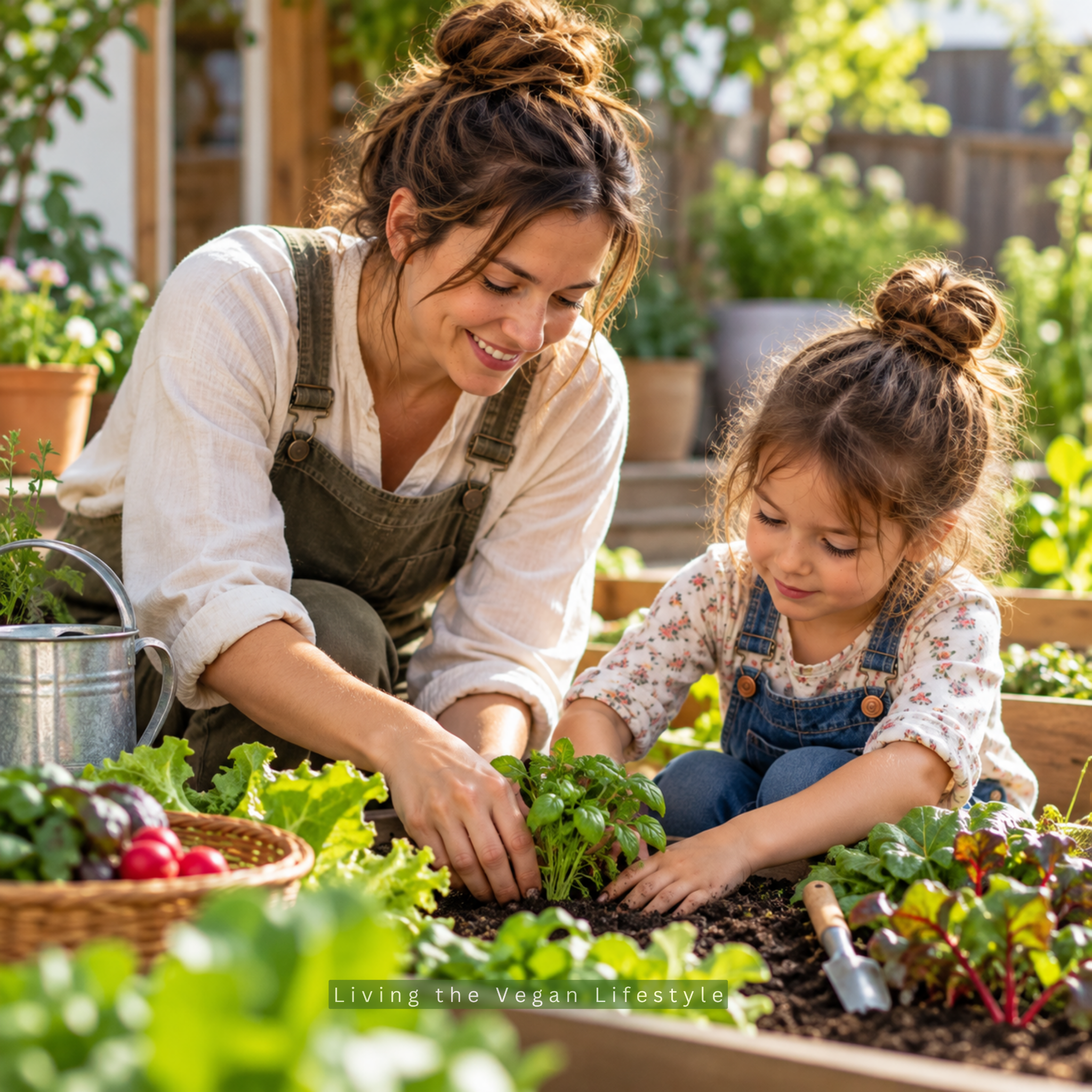
Gardening offers another enjoyable way to introduce children to food. Growing vegetables or herbs at home allows them to discover where ingredients come from and how plants develop.
Our Nature guide to growing herbs in containers offers practical ideas for starting a small herb garden. Children can enjoy watching their plants grow before using the herbs in family meals.
Shopping, cooking, and gardening also create opportunities to discuss nutrition, food variety, and reducing waste. These everyday conversations help children better understand their food choices.
Don’t expect children to prepare meals perfectly or master new skills immediately. The goal is to encourage participation, build confidence, and make cooking an enjoyable family experience rather than a task that must be done flawlessly.
As children become more involved, they may discover foods they haven’t considered before. Their interests and preferences will differ, but shared activities can build confidence and make family meals more collaborative.
11. Monitor Growth And Nutritional Status Regularly
Watching children grow and develop is an important part of parenting. Regular pediatric appointments help families understand whether their children’s nutritional needs are being met.
During these visits, healthcare professionals can review height, weight, eating habits, and overall development. They can also address concerns about growth, appetite, or possible nutritional deficiencies.
Vegan children need the same routine growth monitoring as other children. However, their diets require particular attention to nutrients such as vitamin B12, iron, and vitamin D.
Depending on a child’s diet, symptoms, and medical history, a pediatrician may recommend blood tests. These can help identify deficiencies or assess specific nutritional concerns.
Blood tests aren’t necessary at every appointment. A healthcare professional can decide which assessments are appropriate for each child’s individual circumstances.
Vitamin B12 deserves special attention because unfortified plant foods don’t provide reliable amounts. Our article on Vegan Diet B12 Deficiency – What You Need To Know explains why adequate intake matters.
Keeping a simple record of frequently eaten foods and supplements can make appointments more productive. Parents can share this information with their pediatrician or dietitian when discussing their child’s diet.
As children grow, their nutritional requirements change. Regular monitoring and professional guidance help families adjust meals and supplements to support healthy development.
12. Choose Fortified Plant-Based Products Carefully
Fortified foods can help vegan children obtain nutrients that may be difficult to get from their regular diet. However, not all plant-based products offer the same nutritional benefits.
When choosing plant-based drinks, compare their calcium, vitamin B12, vitamin D, and protein content. Some products contain very little protein, while others have no added vitamins or minerals.
Reading nutrition labels helps parents identify suitable products. Watch added sugars, especially when choosing drinks and other fortified foods for younger children.
A product labelled plant-based or vegan isn’t necessarily nutritionally balanced. Choose foods based on their nutritional value, your child’s age, and individual dietary requirements.
Plant-based drinks should never replace breast milk or appropriate infant formula during infancy. Babies have specific nutritional needs that ordinary plant drinks cannot meet.
For older children, the suitability of fortified plant drinks depends on their overall diet. A pediatric dietitian can help parents select products that provide appropriate nutritional support.
Comparing ingredients and nutrition labels makes shopping decisions easier. It also helps families choose fortified foods that complement balanced meals rather than relying on attractive packaging or marketing claims.
13. Adapt Food Choices To The Child’s Age
Children’s nutritional needs and eating abilities change as they grow. Infants, toddlers, and older children require different food textures, portion sizes, and approaches to meal planning.
Infants need age-appropriate feeding guidance, while toddlers often prefer smaller portions and foods they can manage independently. Older children can gradually become more involved in choosing ingredients and preparing simple meals.
The World Health Organization identifies the period from 6 to 23 months as particularly important for establishing healthy eating patterns. During this stage, inadequate nutrition can affect growth and development.
Complementary feeding generally begins around six months, when babies start receiving suitable foods alongside breast milk or infant formula. Our article on Best Vegan Diets For Infants explores additional considerations for plant-based feeding during early childhood.
Vegan diets during infancy require especially careful nutritional planning and professional supervision. Adequate energy, vitamin B12, iron, calcium, and other essential nutrients are important for healthy growth.
Parents should seek individualized guidance about feeding milestones, suitable foods, supplementation, and appropriate milk feeding. A qualified pediatrician or pediatric dietitian can help families make decisions that reflect their child’s age and nutritional needs.
14. Support A Positive Relationship With Food
Children benefit from a supportive family environment where they can discuss food choices without shame or fear. Open conversations help them feel comfortable asking questions and expressing their preferences.
Explain your family’s reasons for veganism in age-appropriate language. These may include compassion for animals, environmental awareness, or personal values that are meaningful to your family.
Avoid criticizing children for asking questions or making them feel guilty about food. Teach them to respect people who follow different diets without questioning their kindness or compassion.
Encourage children to recognize when they feel hungry or full. Regular family meals and a relaxed atmosphere help them develop healthy eating habits without unnecessary pressure.
As children grow older, they will encounter different food choices at school, family gatherings, and social events. Discuss these situations openly and help them communicate their dietary needs respectfully.
Give older children opportunities to express their opinions and participate in family food decisions. Feeling heard and included helps them develop confidence and a greater sense of independence.
If a child becomes distressed about eating, develops persistent food anxiety, or begins avoiding many different foods, seek professional guidance. Early support can help families address concerns before they become more serious.
A positive relationship with food deserves as much attention as nutritional planning. Children should feel supported, respected, and comfortable exploring their own relationship with vegan living.
15. Use Reliable Research And Review Your Approach As Children Grow
Nutrition guidance changes as researchers learn more about children’s dietary needs. Our article on Interesting Vegan Nutrition Facts offers further reading about plant-based nutrition, while parents should continue to rely on qualified professionals for advice specific to their children.
Research into vegan diets during childhood is still developing. Current evidence highlights the importance of careful nutritional planning, professional guidance, and attention to essential nutrients.
As children grow, their nutritional needs and food preferences change. Exploring the Best Ways To Be A Healthy Vegan can provide additional ideas for reviewing family food choices and maintaining variety.
Review your child’s meals periodically, especially during growth spurts or major changes in their daily routine. Starting school, developing new food preferences, or avoiding certain foods may affect their nutritional intake.
Choose information from recognized pediatric and public health organizations. If you encounter conflicting advice, discuss your concerns with a qualified pediatrician or pediatric dietitian.
Avoid copying supplement doses or meal plans designed for another child. Nutritional requirements vary according to age, growth, dietary intake, and individual health needs.
Stay flexible and make adjustments as your child develops. Regular conversations about food, nutrition, and personal preferences help families make informed decisions together.
An evidence-informed approach allows parents to support their children’s changing needs without becoming overwhelmed by conflicting information. The goal is to encourage healthy growth, balanced nutrition, and long-term well-being.
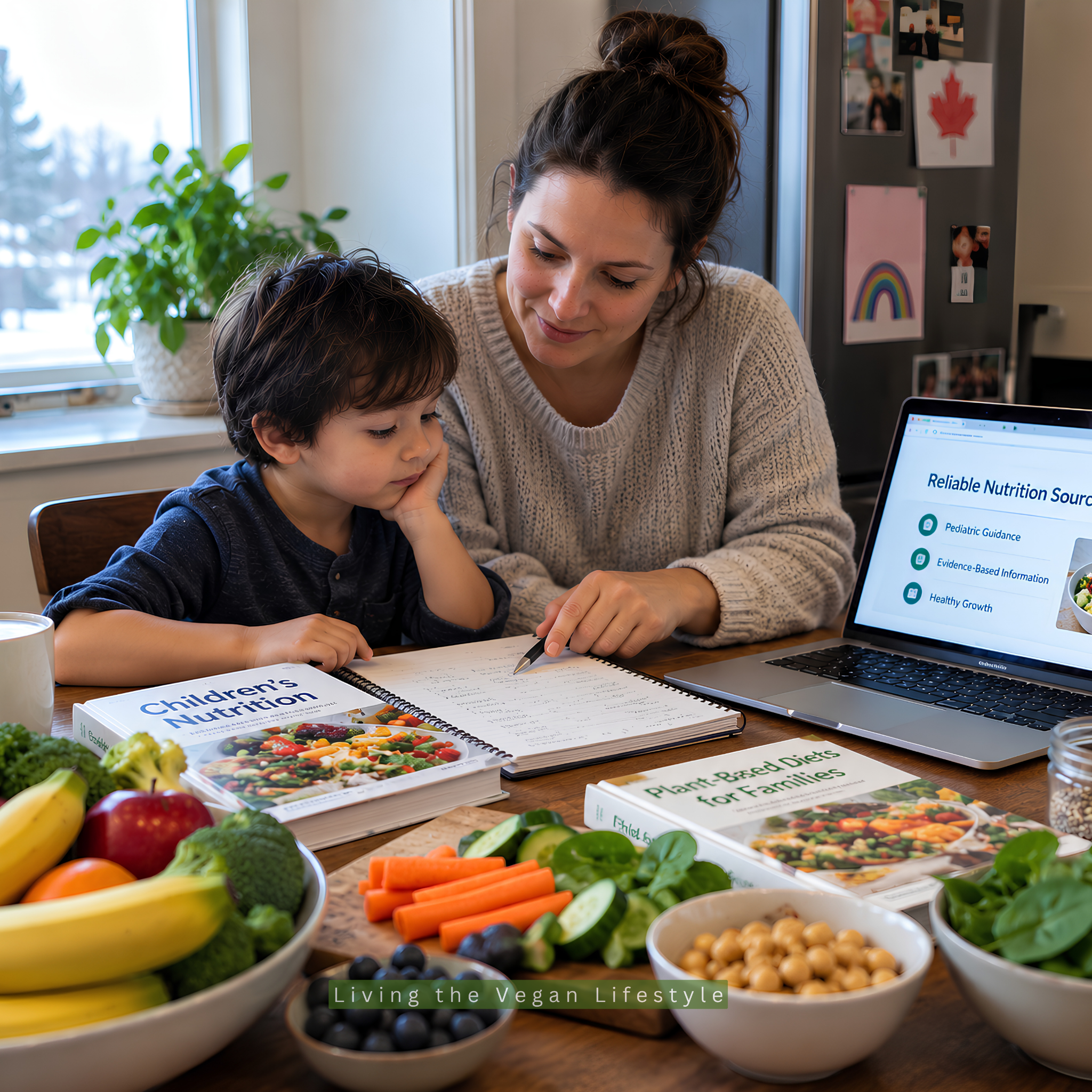
Reasons To Be Proud Of Raising Vegan Kids
Raising vegan children gives families a chance to share meaningful values and build thoughtful everyday habits. Beyond food choices, vegan living encourages compassion, curiosity, and respect for the world around us.
Children who grow up learning about animal welfare often develop a deeper appreciation for living creatures. These early experiences encourage kindness and help them understand why their actions matter.
Vegan families can also explore the connection between food and the environment. Gardening, preparing plant-based meals, and learning where ingredients come from make these lessons practical and enjoyable.
Perhaps most importantly, raising vegan kids creates opportunities for open conversations and shared family experiences. Parents can take pride in helping their children become caring, informed individuals who respect others and develop their own values.
1. Teaching Compassion And Respect For Animals
Raising vegan children gives parents an opportunity to introduce compassion for animals from an early age. Simple, age-appropriate conversations help children understand that animals are living beings deserving of kindness and respect.
Visiting animal sanctuaries, observing wildlife, and learning about different species can make these lessons more meaningful. Children begin to appreciate animals as individuals with their own needs and behaviours.
Parents can also explain the impact of going vegan for the animals. These conversations help children understand how everyday choices connect with animal welfare.
Teaching children about ways to prevent cruelty to animals encourages them to put compassion into practice. Caring for family pets and respecting wildlife are simple ways to demonstrate kindness.
Teaching compassion does not mean expecting children to share every belief immediately. Instead, it encourages thoughtful questions, respectful discussions, and an appreciation for different forms of life.
2. Encouraging Environmental Awareness
Food choices offer a practical way to introduce children to environmental responsibility. Parents can explain how agriculture affects land, water, wildlife, and other natural resources. Our article on the environmental impacts of plant-based diets provides further reading on these connections.
Learning about the environmental benefits of a plant-based diet helps children understand how food choices relate to nature. These conversations encourage curiosity about where ingredients come from and how they are produced.
Growing vegetables, herbs, or fruit at home makes these lessons more meaningful. Children can discover how plants grow, why healthy soil matters, and how much care goes into producing food.
Families can also explore simple habits such as reducing food waste, composting suitable scraps, and choosing seasonal produce. These everyday activities encourage children to appreciate natural resources.
Environmental awareness should inspire curiosity and positive action rather than guilt. Children can learn that thoughtful choices make a difference while recognizing that protecting the planet requires efforts beyond individual diets.
3. Building Healthy Eating Habits
A well-planned vegan diet introduces children to a wide variety of plant-based foods. Fruits, vegetables, whole grains, beans, lentils, and tofu provide opportunities to explore different flavours and textures.
Preparing colourful meals together helps children become familiar with nutritious ingredients. Our Delicious & Nourishing Vegan Family Meals offers inspiration for trying new recipes and making everyday cooking an enjoyable family activity.
Regular family meals also encourage positive eating habits. Sharing food, trying unfamiliar ingredients, and enjoying conversations around the table make mealtimes an important part of family life.
However, following a vegan diet does not automatically guarantee better health. Children still need sufficient energy, vitamin B12, iron, calcium, vitamin D, and other essential nutrients to support healthy development.
Parents can encourage balanced eating by offering variety without pressuring children to finish every meal. The goal is to develop a positive relationship with food that continues as they grow.
4. Developing Critical Thinking And Informed Choices
Children benefit from understanding why their family follows a vegan lifestyle. Explaining the reasons behind everyday food choices encourages them to ask questions rather than simply follow rules.
Open conversations about animal welfare, nutrition, and environmental concerns help children explore different perspectives. Parents can encourage curiosity by listening carefully and answering questions in age-appropriate language.
As children grow older, they may encounter conflicting information about veganism. Helping them distinguish reliable sources from personal opinions encourages thoughtful decision-making and greater confidence.
Discussing different dietary choices also teaches children to respect people with other beliefs. Learning the differences between vegan and vegetarian diets gives families another chance to explore different perspectives without criticizing friends or relatives who eat differently.
Parents can gradually involve children in decisions about meals, shopping, and family activities. These opportunities encourage independence while helping them understand the responsibilities that come with making informed choices.
The goal is not to expect children to agree with every family decision. It is to help them develop curiosity, compassion, and the confidence to make thoughtful choices as they mature.
5. Creating Meaningful Family Experiences
Preparing plant-based meals together gives families opportunities to spend quality time and share meaningful experiences. Everyday activities become more enjoyable when children feel included.
Children can help choose ingredients, wash vegetables, mix simple recipes, or decorate their favourite dishes. These activities encourage creativity while building practical kitchen skills.
Growing herbs, vegetables, or fruit together offers another rewarding family experience. Learning which herbs grow best together gives children a chance to plan a small garden, watch their plants grow, and harvest ingredients for family meals.
Exploring new recipes also introduces families to different cultures and food traditions. Trying unfamiliar flavours together encourages curiosity and creates opportunities for enjoyable conversations around the table.
Family activities don’t need to be complicated or expensive. Preparing a favourite meal, visiting a farmers’ market, or enjoying a picnic can create lasting memories.
These shared experiences strengthen family bonds while making vegan living feel natural and enjoyable. With balanced nutrition, patience, and supportive guidance, parents can encourage compassion without creating unnecessary pressure around food.
Frequently Asked Questions
Q1: Can Vegan Eating Encourage Healthy Habits In Children?
A well-planned vegan diet introduces children to nutritious foods such as fruits, vegetables, whole grains, beans, and lentils. Exploring these ingredients can encourage variety and positive eating habits.
However, children need sufficient energy and essential nutrients, including reliable sources of vitamin B12. Professional guidance helps parents support healthy growth and development.
Q2: How Can Parents Encourage Children To Embrace Vegan Values?
Parents can lead by example, involve children in preparing meals, and explain family values in age-appropriate language. Everyday experiences offer opportunities to discuss compassion, nutrition, and environmental awareness.
Encourage questions and respect children’s growing independence. Understanding the reasons behind family choices helps children develop their own opinions rather than simply following rules.
Conclusion
Raising vegan kids is a rewarding journey that brings together compassion, thoughtful nutrition, and meaningful family experiences. With patience and careful planning, parents can create a supportive environment where children feel confident exploring plant-based living.
Offering varied meals, seeking professional guidance, and encouraging open conversations help families navigate everyday challenges. From preparing school lunches to enjoying meals together, small actions make vegan living more manageable and enjoyable.
Every child develops at their own pace and has individual nutritional and emotional needs. A flexible approach allows parents to respect their children’s preferences while supporting healthy growth, independence, and well-being.
Above all, raising vegan children is about nurturing kindness, curiosity, and respect. These values extend beyond the dinner table and help children develop a thoughtful relationship with animals, people, and the environment.
I trust you enjoyed this article on the 15 Best Tips for Raising Vegan Kids. Please stay tuned for more plant-based recipes, vegan parenting advice, and lifestyle inspiration.
Take care!
— JeannetteZ 🌿
💬 Your Opinion Is Important To Me
Do you have thoughts, ideas, or questions? I’d love to hear from you. Please leave a comment below or email me directly at Jeannette@LivingTheVeganLifestyle.org.
📚 More Vegan Lifestyle Reads
⭐ My #1 Recommendation for Online Success
Sharing my passion for vegan living — from food to fashion — has been such a rewarding journey.
If you’ve ever dreamed of building your own ethical lifestyle brand or blog, this is the best place to start.
🚀 See How Vegan Bloggers Build Online Income — Try WA Free (No Credit Card Needed)
Disclosure
This post may contain affiliate links. As an Amazon Associate and participant in other affiliate programs, I earn from qualifying purchases at no extra cost to you. Please read my full affiliate disclosure.