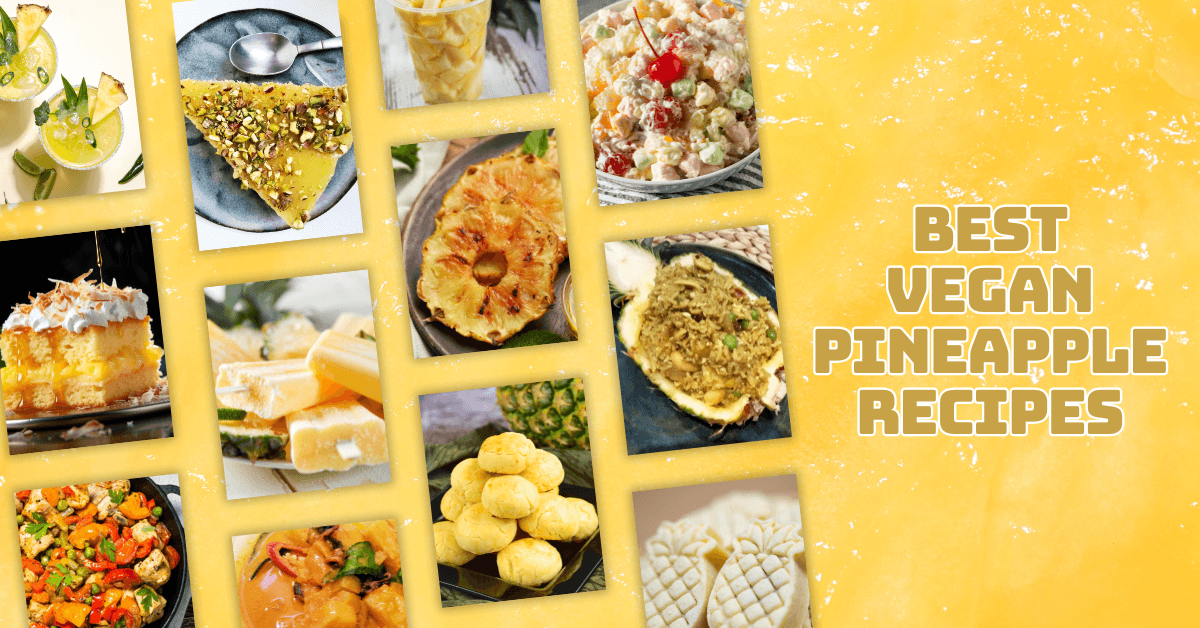
9 Best Vegan Pineapple Recipes To Try At Your Next Party
Pineapple brings a delicious tropical flavour to everything from refreshing salads and savoury dishes to irresistible desserts. Its natural sweetness and juicy texture make it a wonderful ingredient for creative plant-based cooking.
Whether you’re planning a summer barbecue, a birthday celebration, or a casual gathering with friends, these vegan pineapple recipes will add a colourful tropical touch to your menu.
Rich in vitamin C and bursting with flavour, pineapple pairs beautifully with vegetables, herbs, spices, and other fresh ingredients. You can grill it, blend it, bake it, or enjoy it fresh.
Explore these 9 delicious vegan pineapple recipes and discover exciting ways to impress your guests with sweet and savoury tropical treats.
Health Benefits Of Eating Pineapple
Pineapple is more than a sweet and refreshing tropical fruit. It contains valuable vitamins, minerals, antioxidants, and dietary fibre that contribute to a healthy, balanced diet.
One of its most impressive nutritional qualities is its vitamin C content, which supports normal immune function, collagen production, and the body’s natural healing processes.
Pineapple also provides manganese, an essential mineral involved in bone development, metabolism, and protecting cells from oxidative stress.
Another interesting component is bromelain, a group of enzymes found in pineapple. Although researchers have studied its potential health effects, eating pineapple should not be considered a treatment for inflammatory conditions.
Whether you enjoy it fresh, grilled, or in your favourite vegan pineapple recipes, this tropical fruit offers a delicious way to add variety and beneficial nutrients to your meals.
Let’s explore some nutritional benefits of eating pineapple and how they support overall well-being.
1. Support Immunity And Reduce Inflammation
Pineapple is an excellent source of vitamin C, an essential nutrient that supports normal immune function and helps protect cells from oxidative stress. It also contains bromelain, a group of enzymes studied for their potential anti-inflammatory properties.
A 2014 study involving 98 schoolchildren examined the effects of eating 140 or 280 grams of canned pineapple daily for nine weeks.
Researchers observed fewer reported viral and bacterial infections among children who consumed pineapple. They also recorded changes in certain immune cells, although larger studies are needed to confirm these findings.
Bromelain has also attracted scientific interest for its possible anti-inflammatory effects. Some research suggests that concentrated bromelain supplements may benefit certain inflammatory conditions, particularly those affecting the sinuses.
However, these findings do not establish that eating pineapple produces the same effects as taking bromelain supplements. Pineapple remains a nutritious addition to a balanced diet, not a treatment for infections or inflammation.
2. Pineapple Is Rich In Manganese
Pineapple is an excellent source of manganese, an essential mineral that supports healthy bones, metabolism, and normal blood clotting. It also helps the body produce enzymes that protect cells from oxidative stress.
One cup of fresh pineapple provides approximately 1.5 mg of manganese, making it a valuable source of this important nutrient. This amount contributes significantly to the daily manganese needs of both adults and children.
Manganese also occurs naturally in whole grains, nuts, seeds, legumes, and leafy green vegetables. Including pineapple alongside these foods adds nutritional variety to a balanced plant-based diet.
3. Pineapple Contains Essential Vitamins And Minerals
Pineapple provides essential vitamins and minerals that support overall health. Along with vitamin C and manganese, it contains smaller amounts of copper, potassium, magnesium, folate, and several B vitamins.
These nutrients support key bodily functions, including energy metabolism, healthy nerve function, and bone and tissue maintenance. Eating pineapple alongside other nutritious plant-based foods helps create a balanced diet.
Pineapple also contains antioxidants, including flavonoids and phenolic compounds, that help protect cells from free-radical damage. These unstable molecules form naturally during metabolism and through exposure to environmental factors such as pollution and tobacco smoke.
Although researchers have studied pineapple’s antioxidant compounds and bromelain for potential health benefits, insufficient evidence shows that eating pineapple prevents cancer or other chronic diseases.
Enjoying fresh pineapple as part of a varied, plant-based diet is a delicious way to obtain valuable nutrients and support everyday well-being.

4. Potential Benefits For Arthritis
Pineapple contains bromelain, a group of enzymes researchers have studied for potential anti-inflammatory effects. Some studies suggest that bromelain supplements may help reduce pain and swelling associated with osteoarthritis.
Researchers believe bromelain may influence certain inflammatory processes involved in joint discomfort. However, clinical studies have produced mixed results, and more research is needed to establish its effectiveness.
It’s also important to distinguish between eating fresh pineapple and taking concentrated bromelain supplements. Bromelain content in pineapple varies, and consuming the fruit has not been proven to relieve arthritis symptoms.
Nevertheless, pineapple provides vitamin C, antioxidants, and other beneficial nutrients, making it a nutritious addition to a balanced plant-based diet.
5. Support The Cardiovascular System
Pineapple contains vitamin C, potassium, and antioxidant compounds that support a heart-conscious diet. These nutrients support normal bodily functions that help maintain cardiovascular health.
Potassium helps regulate blood pressure by supporting healthy fluid balance. Vitamin C also supports collagen production, which is essential for maintaining blood vessel wall structure.
Researchers have investigated bromelain, an enzyme mixture found in pineapple, for its potential effects on inflammation and blood clotting. Some laboratory and animal studies suggest that bromelain may influence processes involved in cardiovascular health.
However, insufficient human evidence shows that eating pineapple prevents heart disease, removes cholesterol plaques, or treats circulatory conditions.
Including pineapple alongside vegetables, whole grains, legumes, nuts, and seeds adds nutritional variety to a balanced plant-based diet that supports long-term heart health.
6. Support Post-Workout Recovery
After an intense workout, your muscles need time to recover. Temporary soreness and inflammation are normal responses to unfamiliar or strenuous exercise, particularly when muscles are challenged in new ways.
Pineapple provides vitamin C, which supports collagen production and helps protect cells from oxidative stress. Its natural carbohydrates also contribute energy that can help replenish the body’s fuel stores after exercise.
Bromelain, an enzyme mixture found in pineapple, has attracted attention for its potential anti-inflammatory properties. Some studies have investigated whether bromelain supplements reduce exercise-related muscle soreness, although the findings remain inconclusive.
Adding fresh pineapple to a post-workout smoothie with plant-based protein sources, such as soy milk or tofu, creates a refreshing combination of carbohydrates, protein, and essential nutrients.
While pineapple alone hasn’t been proven to speed muscle recovery, it’s a delicious addition to a balanced post-exercise meal or snack.
7. Pineapple Is Rich In Vitamin C
Pineapple is an excellent source of vitamin C, an essential nutrient that supports immune function, healthy skin, and the body’s natural healing processes. One cup of fresh pineapple provides approximately 79 mg of vitamin C.
Vitamin C plays an important role in collagen production, helping maintain healthy skin, blood vessels, bones, and connective tissues. It also acts as an antioxidant, protecting cells from free radical damage.
Another valuable benefit is vitamin C’s ability to improve non-heme iron absorption from plant-based foods. Eating pineapple alongside iron-rich foods such as lentils, beans, or leafy greens helps your body absorb more of this essential mineral.
Whether served fresh, blended into smoothies, or added to tropical salads, pineapple offers a delicious way to increase your vitamin C intake while enjoying its naturally sweet flavour.
Is There Any Danger In Eating Pineapple?
Pineapple is generally safe for most people when enjoyed as part of a balanced diet. However, its natural acidity, enzymes, and sugar content may cause discomfort or require extra consideration for certain individuals.
People with a pineapple allergy should avoid the fruit and products containing pineapple extracts. Allergic reactions may include itching, swelling, skin irritation, or digestive symptoms. Severe reactions require immediate medical attention.
Pineapple contains natural sugars and carbohydrates, so people with diabetes should consider portion sizes when planning meals. Fresh pineapple can still fit into a balanced eating plan when consumed in appropriate amounts.
Some individuals experience temporary tingling, burning, or irritation in their mouths after eating fresh pineapple. This sensation is often associated with the fruit’s acidity and bromelain enzymes, which can irritate sensitive tissues.
Eating large quantities may also cause digestive discomfort, including stomach upset or diarrhea. Choosing ripe pineapple and enjoying reasonable portions can help minimize these unpleasant effects.
Concentrated bromelain supplements may increase bleeding risks, particularly when combined with anticoagulant medications. However, evidence is insufficient to show that ordinary servings of pineapple have the same effect. Anyone taking blood thinners should consult their healthcare provider before using bromelain supplements.
For most people, fresh, ripe pineapple is a nutritious and refreshing addition to a varied plant-based diet. Enjoy it in moderation to appreciate its tropical flavour without unnecessary discomfort.
How To Choose A Ripe Pineapple
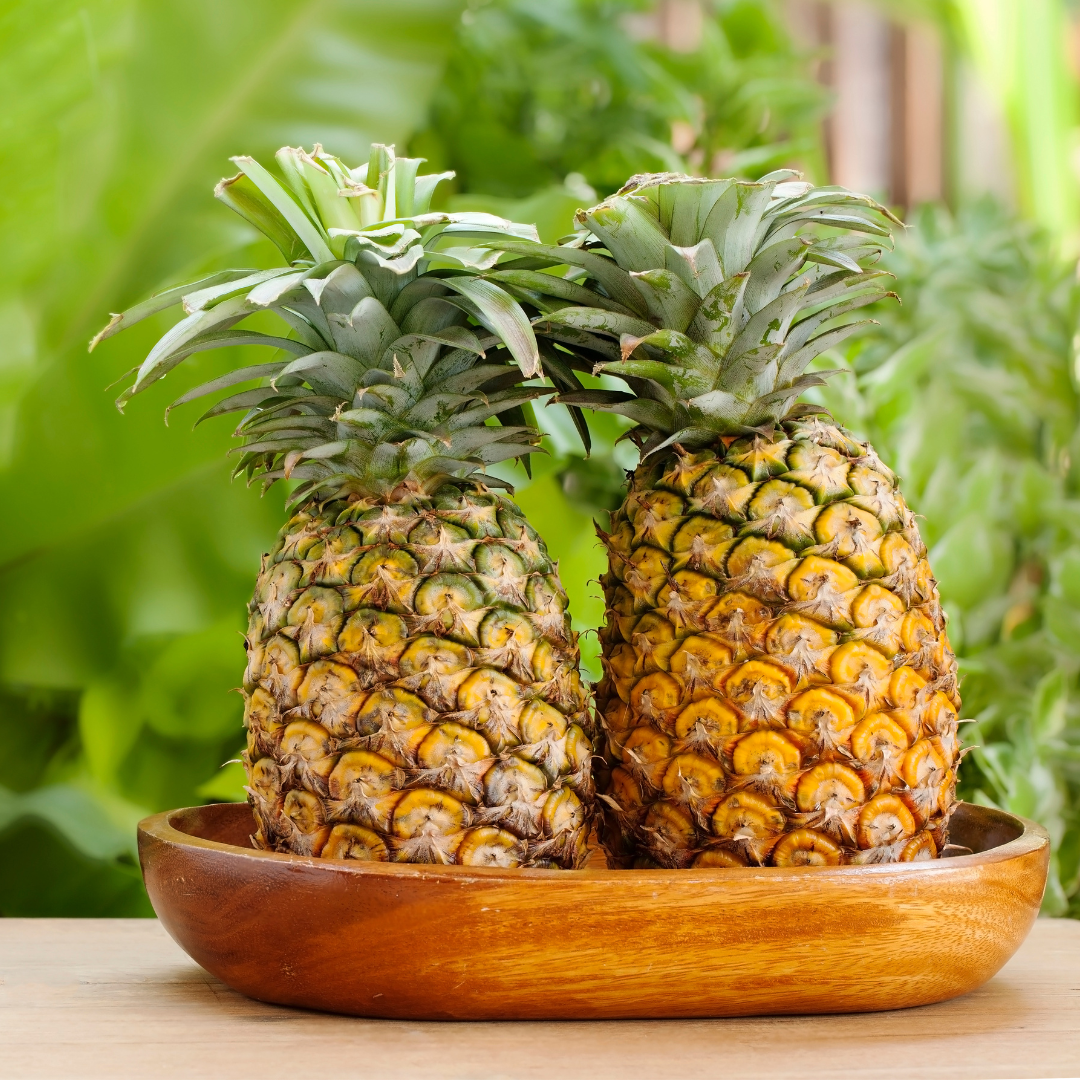
Choosing a ripe, juicy pineapple makes a wonderful difference to the flavour of your vegan pineapple recipes. A good pineapple should taste naturally sweet, with a refreshing balance of sweetness and acidity.
Unlike bananas, peaches, and avocados, pineapples don’t develop significant sweetness after harvesting. Although their skin may change colour and the fruit may soften slightly, leaving them on the counter won’t make them noticeably sweeter.
Fortunately, selecting a delicious pineapple doesn’t have to be difficult. Its aroma, weight, appearance, and texture provide useful clues about its freshness and ripeness.
Whether you’re preparing tropical smoothies, refreshing salads, or delicious pineapple desserts, these simple tips will help you choose the best fruit for your recipes.
9 Easy Vegan Pineapple Recipes
Bring the tropics to your kitchen with these delicious vegan pineapple recipes. From refreshing drinks and colourful salads to savoury dishes and irresistible desserts, pineapple adds natural sweetness and a delightful tropical flavour.
Its juicy texture and sweet-tart taste pair beautifully with fresh vegetables, aromatic spices, coconut, and other plant-based ingredients. Whether you prefer something light and refreshing or rich and comforting, there’s plenty to enjoy.
These easy pineapple recipes are perfect for summer parties, family gatherings, backyard barbecues, or simply treating yourself to something special.
Explore these 9 delicious creations and discover exciting ways to turn this versatile tropical fruit into dishes your family and friends will love.
Recipe #1 — Grilled Vegan Pineapple Recipe
This grilled vegan pineapple recipe is delicious and healthy. Pineapples are low in calories because they’re mostly water, making them ideal for weight loss. Their vitamins can also help reduce cholesterol and support eye health.
Prep time: 15 minutes | Cook time: 10 minutes | Total time: 25 minutes | Servings: 6
Ingredients
- Whole allspice: 5
- Cane sugar: 2 tablespoons
- Shredded coconut: 4 tablespoons
- Pineapple: 1
- Vegetable oil: 2 tablespoons
- Maple syrup: 6 tablespoons
Method
- Grind spices and sugar together in a mortar. Toast coconut in a dry pan over medium heat until lightly golden, turning often. Transfer to a plate and allow to cool.
- Peel the pineapple, slice it thickly, and oil it.
- Cook the pineapple on a hot, greased grill until browned on both sides, then turn and sprinkle with allspice sugar. Arrange the pineapple slices on a platter. Drizzle with maple syrup and sprinkle with shredded coconut before serving this delicious grilled vegan pineapple dish.

Recipe #2 — Vegan Pineapple Jalapeño Popsicle Recipe
These Vegan Pineapple Jalapeño Popsicles are one-of-a-kind and delectable! The pineapple’s icy-cold sweetness hits your tongue as the Jalapeño’s heat kicks in.
Prep time: 10 minutes | Cook time: 4 hours | Total time: 4 hours 10 minutes | Servings: 10 popsicles
Ingredients For The Juice Pops
- Jalapeño peppers: 1-2
- Pineapple juice: 3 cups, fresh or canned
- Dark rum: 3 tablespoons (optional)
Ingredients For The Whole Fruit Pops
- Pineapple: 1 small or ½ large
- Jalapeño peppers: 1-2
- Dark rum: 3 tablespoons (optional)
Method
- Trim the tops off the peppers and thinly slice them for the JUICE POPS. Remove the seeds if you don’t want much heat. Combine them with the juice and, if desired, the rum. Alternatively, finely chop the peppers and combine them with the liquid before pouring them into the mould.
- When adding sliced peppers, remember that they may float to the top. To distribute the peppers evenly throughout the pop, freeze half the juice and peppers first, then add the rest.
- Remove the rind and core from the pineapple, give it a rough chop, and purée it in a food processor for the WHOLE FRUIT POPS. You’ll need around 3 cups.
- Slice or dice the peppers, then add them to the purée and the rum (if using).
- Fill the moulds to the top, adjusting the pepper slices as needed.
- Cover the mould with foil and insert the sticks for either variant.
- Freeze for 4-5 hours or overnight until solid.
- Fill your sink halfway with hot tap water to unmold the pops. Immerse the mould for 15 seconds, up to but not over the top edge. Immerse for a few more seconds if the pops aren’t easily sliced out.
- Place in freezer in plastic baggies.

Recipe #3 — Vegan Pineapple ‘Honey’ Recipe
Is vegan honey even feasible? Yes, it certainly is! Today, I’ll show you how two essential ingredients combine to make a sweet, gooey, thick syrup that will satisfy any vegan’s honey cravings. This vegan pineapple honey is a delicious vegan honey substitute for kids and adults alike.
Prep time: 15 minutes | Cook time: 1 hour | Total time: 1¼ hours | Servings: ½ cup
Ingredients
- Pineapple juice: 1 cup
- Coconut sugar: 1 cup
Method
- Prepare a pan and a spoon for stirring. I prefer a non-stick pan because it is easier to clean.
- Combine the pineapple juice and sugar in the pan.
- Bring the mixture to a light boil over medium-high heat.
- Reduce the heat to low and simmer gently.
- Stir often to keep it smooth and prevent burning. After about 15 minutes, the mixture will thicken and become sticky. Once it has reached the desired consistency, remove the pan from the heat and set it aside for a few minutes.
- Fill a glass jar with this vegan pineapple honey… YUM!!!

Recipe #4 — Vegan Pineapple And Cinnamon Tea Cookie Recipe
My favourite tea biscuits are these vegan pineapple and cinnamon tea cookies. They’re a big hit with the crowd, and they don’t require many ingredients. This recipe is fantastic since it can easily make cakes, muffins, or even cake pops.
Prep time: 10 minutes | Cook time: 15 minutes | Total time: 25 minutes | Servings: 12
Ingredients
- Pineapple: 3 slices
- Agave syrup: 2 tablespoons
- Cinnamon: 1 tablespoon
- Vegan butter: 2 oz
- Sugar: 2 oz
- All-purpose flour: 2 oz
- Baking powder: ½ tablespoon
- Egg replacer: 1 tablespoon
- Coconut shavings: 1 dash
- Dry green tea: 1 tablespoon (optional)
Method
- Preheat the oven to 350°F (180°C). Cut the pineapple into small pieces. Combine the agave syrup, pineapple, and cinnamon in a mixing dish. Remove from the equation.
- In a separate bowl, mix the cake batter with the flour, butter, coconut, sugar, baking powder, and egg substitute. Check the box instructions before adding the egg replacer. If you want to add more taste, you can add matcha powder.
- Prepare cake pops using a tray or silicone cake pop mould. Pour cake batter into each hole, and sprinkle pineapple chunks on top.
- Because the batter will rise during baking, don’t fill each hole completely.
- Bake these vegan pineapple and cinnamon tea cookies for 25 minutes.
- When ready, let cool for 5 minutes. Before serving, dust with confectioners’ sugar.

Recipe #5 — Vegan Golden Pineapple Curry Recipe
This vegan golden pineapple curry recipe was inspired by Malaysian cuisine. This variation, traditionally served with prawns and cooked with a lot of oil, is oil-free and uses tofu instead.
Prep time: 15 minutes | Cook time: 1 hour | Total time: 1¼ hours | Servings: 5
Ingredients For The Curry Sauce
- Garlic: 5 cloves, peeled and left whole
- Shallots: 2, peeled and left whole
- Ginger: 1 thumb-sized, peeled and left whole
- Fresh turmeric: 1 thumb-sized, peeled and left whole
- Dried red chillies: 4, stems removed and left whole
- Sea salt: 1 teaspoon or to taste
- Water: ¾ cup
Additional Ingredients
- Full-fat coconut milk: 1½ cups
- Cauliflower: 1 cup, cut into bite-sized pieces
- Bell pepper: 1, cut into chunks
- Green cabbage: 2 cups, sliced
- Pineapple: 1 cup, cut into bite-sized pieces
- Firm tofu: 2 cups, cut into bite-sized pieces
- Cilantro: 1 cup
Method
- To make the curry sauce, combine the ingredients in a blender and process for 2 minutes or until smooth.
- Pour the sauce into a skillet and add the coconut milk, cauliflower, bell pepper, cabbage, pineapple, tofu, and cilantro. Reduce the heat to medium-low.
- Cook, stirring occasionally, for 25-30 minutes, or until the vegetables are cooked to your liking.

Recipe #6 — Grilled Vegan Pineapple And Dark Chocolate Oatmeal Recipe
This grilled vegan pineapple and dark chocolate oatmeal is one of our kids’ favourite breakfast dishes. Grilled pineapple and dark chocolate complement each other beautifully.
Prep time: 10 minutes | Cook time: 25 minutes | Total time: 35 minutes | Servings: 6
Ingredients
- Fresh pineapple: 1 or 2 rings
- Plant-based milk of choice: ¾ cup
- Quick-cook steel-cut oats: ¼ cup
- Vanilla extract: ¼ teaspoon (optional)
- Sea salt: 1 pinch or to taste
- Vegan chopped dark chocolate (or chocolate chips): 2-3 tablespoons
Method
- Cook your pineapple on the grill. I didn’t add sweeteners or flavours to the pineapple; I cooked it as is. Patience is required. This stage takes about 10-15 minutes.
- Bring the liquid to a moderate boil in a medium saucepan (I used ½ cup coconut milk and ¼ cup water). Reduce the heat to low and add the oats. Cut up half of the grilled pineapple and add it to the oats (I added ½ rings). Salt and vanilla extract (if using). Stir.
- Once the oats reach your desired consistency, transfer them to a bowl. Top with chopped dark chocolate and the remaining grilled pineapple rings (you can leave them in rings or cut them into smaller pieces). Add a splash of milk and extra toppings (nuts, pomegranate seeds, etc.).
- Enjoy your grilled vegan pineapple and dark chocolate oatmeal.

Recipe #7 — Vegan Pineapple Fried Rice Recipe
This vegan pineapple fried rice is a healthier alternative to your favourite take-out meal! It’s a quick vegan meal that’s ideal for hectic weeknights.
Prep time: 5 minutes | Cook time: 20 minutes | Total time: 25 minutes | Servings: 4
Ingredients
- Yellow onion: 1, diced
- Garlic: 3 cloves, minced
- Carrots: ½ cup, diced
- Red bell pepper: 1, diced
- Cooked brown rice: 3 cups
- Corn: ½ cup, canned or frozen
- Green peas: ½ cup, canned or frozen
- Organic soy sauce or liquid aminos: ¼ cup
- Sriracha: ½ – 1 tablespoon
- Pineapple: 1½ cups, chopped
- Chopped peanuts for garnish
Method
- Warm water or oil in a wok or large skillet over medium heat. Cook for 5-7 minutes or until the onions begin to brown.
- Add the garlic, carrots, and bell pepper to the pan. Cook for 5-7 more minutes, until the carrots and bell peppers are soft. Stir the mixture constantly.
- Stir in the cooked rice, corn, green peas, soy sauce, and Sriracha. Cook for 5-10 minutes, or until the rice is heated through. Cook for 1-2 more minutes after adding the pineapple.
- Serve the vegan pineapple fried rice with sliced green onion and chopped peanuts.

Recipe #8 — Vegan Pineapple And Peanut Stir-Fry Recipe
This vegan pineapple and peanut stir-fry is delicious and healthy. This recipe is a staple. We make it at least once a month.
Prep time: 20 minutes | Cook time: 30 minutes | Total time: 50 minutes | Servings: 5
Ingredients
- Pineapple: 1 small
- Red bell pepper: ½, chopped
- Onion: 1 small, sliced
- Tomato: 1 large, finely chopped
- Peanuts: ½ cup
- Vegetable stock: 1 cube
- Fresh herbs, chopped, for garnish
Method
- After removing the pineapple meat, cut the flesh into chunks. Save any natural juices in a cup and set aside.
- In a frying pan, combine the pineapple, chopped tomatoes, peppers, and onions and cook for five minutes, stirring regularly. Reduce the heat to low, add the pineapple juice and stock cube, and cook for another five minutes.
- Finally, add the peanuts and some freshly chopped herbs to finish.
- Enjoy this vegan pineapple and peanut stir-fry with rice or pasta for lunch or dinner.

Recipe #9 — Vegan Pineapple Guacamole Recipe
This vegan pineapple guacamole is made with all organic ingredients. We usually serve it with vegetables and French bread. It is also a delicious addition to a vegan BBQ.
Prep time: 10 minutes | Cook time: 15 minutes | Total time: 25 minutes | Servings: 4
Ingredients
- Organic avocados: 2
- Organic pineapple: 1 cup
- Organic jalapeño: ½-1
- Organic garlic: 2 cloves, freshly crushed
- Organic onion cilantro: ¼
- Himalayan pink salt: ½ teaspoon
Method
- Prepare the pineapple by slicing it and dividing it into two ½ cup portions.
- In a food processor, mix all ingredients (except one ½ cup portion of chopped pineapple) and blend until smooth.
- Stir in the remaining ½ cup of cubed pineapple in a small bowl until well blended.
- Add seasoning to this delicious vegan pineapple guacamole to your taste.

Conclusion
To keep your loved ones healthy and satisfied, try these vegan pineapple recipes, and let us know if you have any questions.
I trust you enjoyed this article on the Best Vegan Pineapple Recipes To Try At Your Next Party. Please stay tuned for more plant-based recipes, vegan travel tips, and lifestyle inspiration.
Take care!
— JeannetteZ 🌿
💬 Your Opinion Is Important To Me
Do you have thoughts, ideas, or questions? I’d love to hear from you. Please leave a comment below or email me directly at Jeannette@LivingTheVeganLifestyle.org.
📚 More Vegan Lifestyle Reads
⭐ My #1 Recommendation for Online Success
Sharing my passion for vegan living — from food to fashion — has been such a rewarding journey.
If you’ve ever dreamed of building your own ethical lifestyle brand or blog, this is the best place to start.
🚀 See How Vegan Bloggers Build Online Income — Try WA Free (No Credit Card Needed)
Disclosure
This post may contain affiliate links. As an Amazon Associate and participant in other affiliate programs, I earn from qualifying purchases at no extra cost to you. Please read my full affiliate disclosure.