Best Vegan Diets For Infants: Benefits And Common Mistakes
Raising infants on a vegan diet can be a rewarding journey. It offers numerous health benefits while fostering ethical and sustainable eating habits. However, ensuring proper nutrition is crucial for their growth and development.
This article explores the incredible advantages of vegan diets for infants. It also highlights common mistakes to avoid, helping parents create a balanced and nourishing meal plan.
Why Choose A Vegan Diet For Your Infant?
Choosing a vegan diet for your infant can support growth, health, and sustainability, driven by ethical beliefs, environmental responsibility, and a commitment to conscious living.
1. Ethical Reasons
Many families choose a vegan diet because they are committed to animal welfare. A vegan lifestyle means avoiding the consumption of animal products, which helps reduce the support of industries that rely on factory farming.
Factory farming often involves practices that compromise animal well-being. A vegan choice ensures that animals are treated with respect and dignity, which aligns with the belief that animals deserve humane treatment.
2. Environmental Sustainability
Choosing a vegan diet also contributes to environmental sustainability. The meat and dairy sectors primarily contribute to deforestation, greenhouse gas emissions, and water pollution.
Plant-based eating, on the other hand, requires fewer natural resources and produces less pollution. Grains, vegetables, and legumes require less water and land, helping preserve ecosystems and reduce deforestation, ultimately benefiting wildlife and the environment.
3. Health Benefits
A vegan diet has many immediate and long-term health advantages for babies. Chronic diseases, including obesity, diabetes, and heart disease, are less likely to occur in those who eat a diet rich in fruits, vegetables, grains, and legumes.
4. Promoting Good Eating Habits
Raising your infant on a vegan diet encourages good eating habits from an early age. Children raised on plant-based foods often prefer fresh fruits, vegetables, and grains, which can help prevent picky eating tendencies.
By offering a variety of plant-based foods, you introduce your infant to different tastes and textures, which fosters curiosity and interest in healthy eating choices that can last a lifetime.
5. Nutrient Diversity And Flexibility
Vegan diets for infants provide various nutrient-dense options, ensuring balanced nutrition through grains, legumes, fruits, vegetables, seeds, and fortified plant-based products tailored to individual needs. Grains, legumes, fruits, vegetables, seeds, and fortified plant-based products can provide infants with a balanced diet.
With various choices, you can ensure your baby’s meals contain the right combination of macronutrients and micronutrients. This diversity also allows meals to be tailored according to availability, seasonality, and personal preferences.
6. Positive Social Impact
Choosing a vegan diet has a broader social impact, promoting compassion and responsibility. Raising an infant on a plant-based diet can foster empathy for animals and respect for the environment.
It also allows families to join vegan communities, share experiences, and support each other. Such social connections reinforce a commitment to sustainable and conscious living, ensuring that these values are instilled in your infant from an early age.
7. Cost Efficiency
A vegan diet can frequently be less expensive than one that consumes dairy and meat. Many plant-based staples, like grains, beans, lentils, and seasonal fruits, are inexpensive and readily available.
Focusing on local and seasonal foods ensures better pricing while meeting your infant’s nutritional needs. This makes a vegan diet economical and practical while maintaining high nutritional value.
8. Consistent Long-Term Health Outcomes
Raising an infant on a vegan diet lays the foundation for consistent long-term health outcomes. A plant-based lifestyle encourages a preference for nutrient-dense foods, balanced eating, and a lower likelihood of developing chronic health issues.
Early habits of eating fresh vegetables, grains, and legumes support overall health and well-being. These can result in healthier eating choices throughout adulthood, significantly impacting lifelong wellness.
Nutritional Essentials For Infants On A Vegan Diet
Infants need a carefully balanced diet containing the proper macronutrients and micronutrients to support their rapid growth and development. Here’s a breakdown of these nutritional essentials:
Macronutrients
1. Carbohydrates
Carbohydrates provide essential energy for infants. Foods like bananas, oats, quinoa, fruits, and grains offer complex carbs and fiber, supporting digestion, sustained energy, and healthy growth during early development.
2. Proteins
Proteins are crucial for tissue development, growth, and overall bodily functions. A vegan diet can provide sufficient protein through lentils, chickpeas, tofu, tempeh, quinoa, beans, and soy products.
3. Healthy Fats
Fats are essential for both general health and brain development. Infants require good fats like omega-3 and omega-6 fatty acids. Plant-based sources include flaxseed, chia seeds, hemp seeds, avocados, and walnuts.
Micronutrients
1. Vitamin B12
B12 must be supplemented or included in fortified vegan foods because it is mainly found in animal sources. Good sources include plant-based B12 supplements, nutritional yeast, fortified plant milk, cereals, and tofu.
2. Vitamin D
Vitamin D is essential for calcium absorption and strong bones. It also helps muscles and the immune system. Sunlight exposure and fortified plant-based foods, such as soy or almond milk, can provide vitamin D.
3. Iron
Iron is crucial for healthy blood and oxygen transport in infants. Plant-based sources like lentils, spinach, chickpeas, quinoa, tofu, and fortified cereals support growth and cognitive development.
4. Calcium
Vegan diets for infants can provide essential calcium for strong bones and teeth through plant-based sources like tofu, leafy greens, fortified plant milk, and broccoli.
5. Omega-3 Fatty Acids
The growth of the brain and eyes depends on these. Good sources include flaxseed, chia seeds, hemp seeds, walnuts, and algae-based omega-3 supplements.
6. Zinc
Zinc is key in cell growth, repair, and immune function. Excellent plant-based sources include chickpeas, lentils, tofu, quinoa, and oats. It also promotes overall development and wound healing.
7-Day Vegan Meal Plan For Infants (6-12 Months)
Here’s a 7-day sample vegan meal plan to ensure your infant’s well-balanced, nutritious diet. Each day includes a variety of foods to meet your baby’s needs for growth, development, and overall health. Remember to consult a pediatrician before introducing new foods.
Vegan Diets For Infants – Day 1
Breakfast: Pureed Oatmeal With Almond Milk And Mashed Banana
Nutrition
Provides energy-rich carbohydrates, healthy fats, and potassium for muscle development. Almond milk adds calcium and vitamin E, promoting bone health and skin nourishment.
Mid-Morning Snack: Soft Steamed Sweet Potato Pieces
Nutrition
Beta-carotene, vital for immunity and vision, and fiber, which aids with digestion, are abundant. These ingredients are perfect for easy chewing and nutrient absorption.
Lunch: Mashed Chickpeas Mixed With Avocado And Lime Juice And Steamed Broccoli Pieces On The Side
Nutrition
Chickpeas deliver protein and iron, avocado offers healthy fats for brain development, and broccoli provides vitamin C to boost immunity and calcium for strong bones.
Afternoon Snack: Soft Apple Slices (Peeled)
Nutrition
Apples are rich in soluble fiber, which aids digestion and helps keep you feeling full longer. They also contain vitamins A and C, essential for a strong immune system and healthy skin.
Dinner: Quinoa Blended With Lentils, Carrots, And Spinach (Smooth Texture)
Nutrition
Vegan diets for infants can support growth with plant-based protein and iron from quinoa and lentils, while carrots and spinach enhance vision, immunity, and cell development with vitamin A and folate.
Vegan Diets For Infants – Day 2
Breakfast: Smoothie With Almond Milk, Banana, Spinach, And A Tablespoon Of Peanut Butter
Nutrition
It provides potassium, calcium, and healthy fats to support growth, muscle function, and brain development. Spinach adds iron, while peanut butter offers protein and energy for an active day.
Mid-Morning Snack: Mashed Blueberries
Nutrition
Blueberries are rich in antioxidants like vitamin C, which boost immunity and brain health. Their inherent sweetness also enhances cognitive and visual development.
Lunch: Whole Grain Toast With Hummus And Avocado Slices
Nutrition
Hummus is packed with fiber for digestion, provides plant-based protein and iron, and avocado delivers heart-healthy fats essential for brain development and maintaining energy levels.
Afternoon Snack: Soft, Steamed Carrot Cubes
Nutrition
Loaded with beta-carotene, carrots promote eye health and support a strong immune system. Their natural sweetness and soft texture are perfect for little hands to explore.
Dinner: Tofu And Vegetable Puree (Peas, Carrots, And Zucchini)
Nutrition
Tofu supplies high-quality protein and calcium for bone development. Peas add vitamins A and K, carrots enhance immunity, and zucchini provides hydration and fiber for smooth digestion.
Vegan Diets For Infants – Day 3
Breakfast: Almond Milk Quinoa Porridge Garnished With Sliced Strawberries
Nutrition
Quinoa provides protein and essential amino acids for growth, almond milk adds calcium, and strawberries supply vitamin C, boosting immunity and aiding iron absorption for overall health.
Mid-Morning Snack: Soft Steamed Pear Pieces
Nutrition
Pears are an excellent choice for vegan infant diets, providing dietary fiber for digestion, natural sugars for energy, and vitamin C to support hydration and immune strength.
Lunch: Lentil Mash With Sweet Potatoes And A Hint Of Turmeric
Nutrition
Lentils are a great source of protein and iron for brain and muscle growth. Sweet potatoes provide energy and beta-carotene, while turmeric has anti-inflammatory properties for overall wellness.
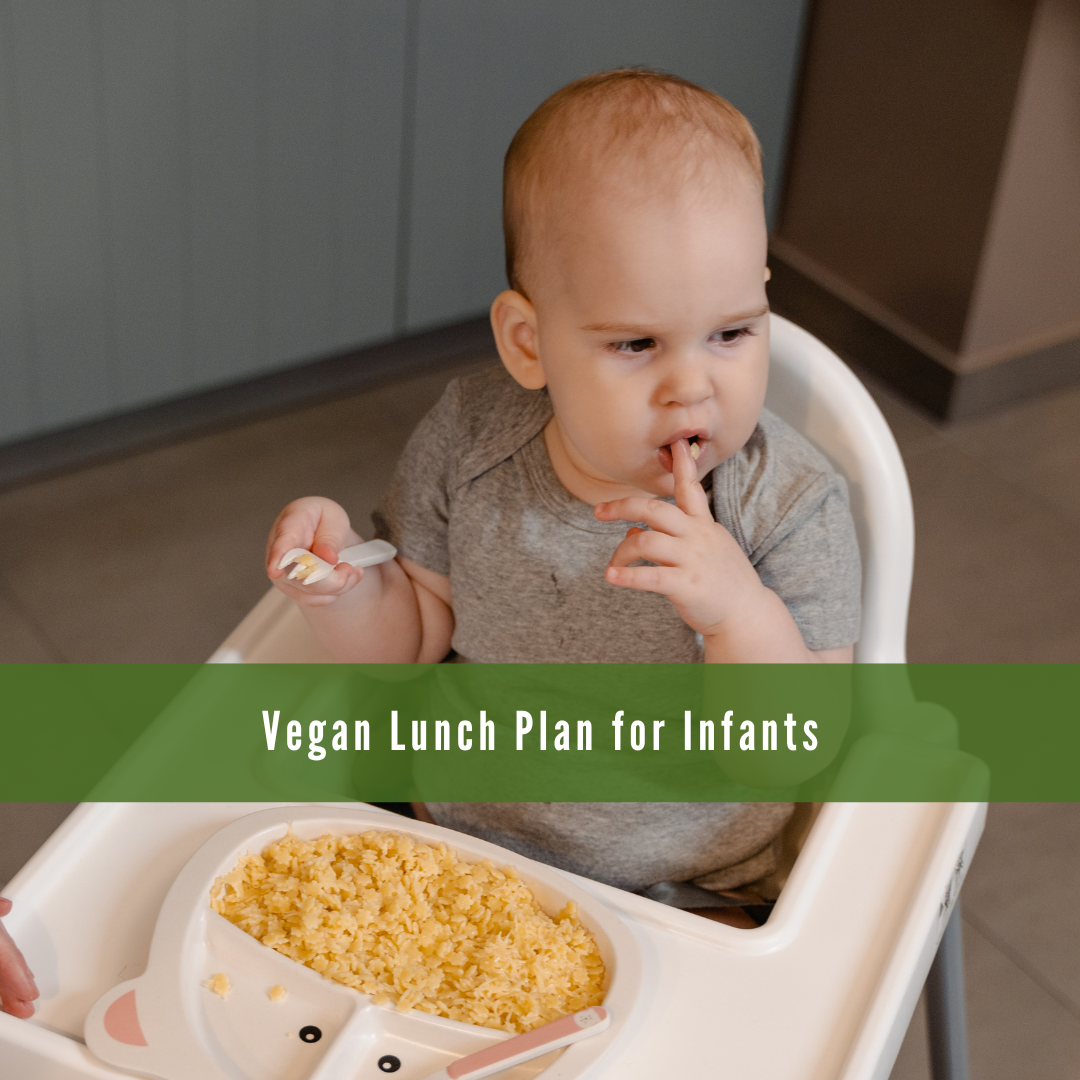
Afternoon Snack: Banana Slices Spread With Almond Butter
Nutrition
Bananas are potassium-rich, supporting muscle and heart health. Almond butter contains Vitamin E and good fats, which are vital for skin sustenance and brain growth.
Dinner: Brown Rice Mixed With Blended Vegetables (Carrots, Peas, Spinach) And Tofu
Nutrition
Brown rice delivers fiber and energy, tofu offers protein and calcium, and vegetables contribute vitamins A, K, and C, ensuring strong immunity, good vision, and healthy bones.
Vegan Diets For Infants – Day 4
Breakfast: Mashed Banana With Flaxseed Powder And Almond Milk
Nutrition
Bananas provide potassium and natural energy, flaxseed adds omega-3 fatty acids for brain development, and almond milk supplies calcium and vitamin D, supporting bone growth and strong teeth.
Mid-Morning Snack: Soft Steamed Green Beans, Cut Into Small Pieces
Nutrition
Green beans are abundant in antioxidants, fiber, and vitamins A and C. They aid digestion, strengthen immunity, and support healthy skin while being easy to grasp and chew.
Lunch: Chickpea Mash With Avocado, Carrots, And Cumin
Nutrition
Chickpeas provide plant-based protein and iron, avocado adds healthy fats for brain health, carrots contribute vitamin A for vision, and cumin aids digestion with its soothing properties.
Afternoon Snack: Watermelon Puree Or Small Watermelon Cubes
Nutrition
With its high water content, watermelon hydrates, supplying antioxidants and vitamin C to boost immunity. Its natural sweetness makes it an appealing and refreshing snack for infants.
Dinner: Quinoa And Lentil Bowl With Finely Chopped Kale And Carrots
Nutrition
In vegan infant diets, Quinoa and lentils can provide essential protein and iron, kale supports bone health with calcium and vitamin K, and carrots enhance vision and immunity.
Vegan Diets For Infants – Day 5
Breakfast: Smoothie Made With Almond Milk, Banana, Blueberries, And Chia Seeds
Nutrition
This smoothie is packed with potassium, antioxidants, and omega-3s, which support brain function, immunity, and heart health. Almond milk adds calcium and vitamin D, crucial for strong bones and teeth.
Mid-Morning Snack: Soft Steamed Squash Cubes
Nutrition
Squash provides beta-carotene for vision, vitamin C for immunity, and fiber for digestion. Its naturally sweet taste and soft texture make it ideal for infant snacking.
Lunch: Mashed Potato Made With Sweet Potato, Almond Milk, And Olive Oil
Nutrition
Sweet potatoes supply energy and beta-carotene, almond milk adds calcium and olive oil contributes healthy fats, promoting brain development and the smooth, creamy texture infants enjoy.
Afternoon Snack: Small Tofu Cubes With Lemon Juice
Nutrition
Tofu and lemon juice are great additions to vegan diets for infants. They provide protein, calcium, and vitamin C to support growth band one health and enhance iron absorption.
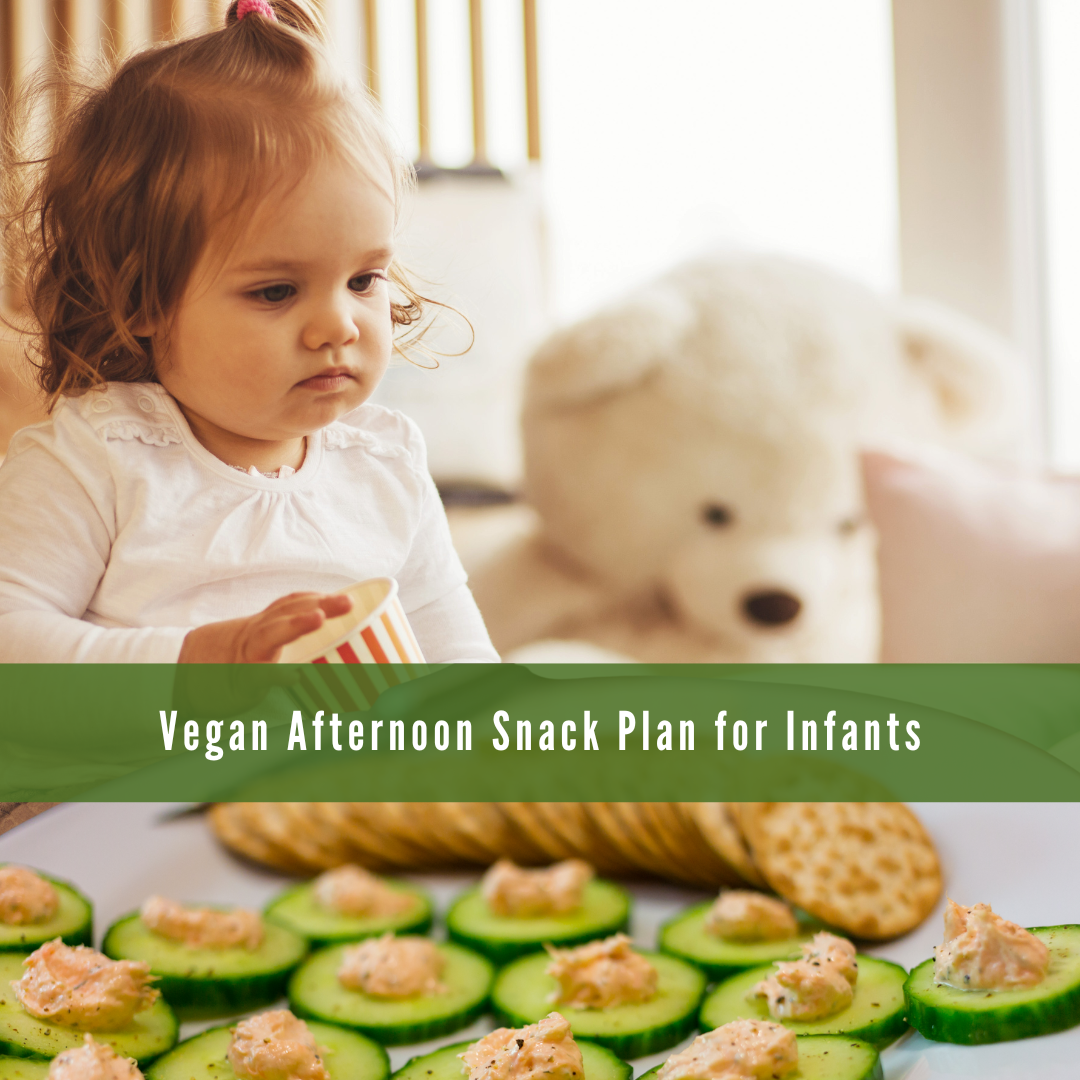
Dinner: Millet Blended With Vegetables (Spinach, Carrots, Peas) And Lentils
Nutrition
Millet offers energy-rich carbohydrates, lentils provide iron and protein, and vegetables supply essential vitamins A, K, and C, supporting overall growth, immunity, and healthy development.
Vegan Diets For Infants – Day 6
Breakfast: Pureed Oatmeal With Almond Milk, Chia Seeds, And Mashed Banana
Nutrition
Oatmeal offers fiber and energy for sustained growth; chia seeds provide omega-3s for brain development; almond milk adds calcium; and bananas supply potassium for muscle and nerve health.
Mid-Morning Snack: Soft Steamed Carrot Pieces
Nutrition
Carrots are abundant in beta-carotene, which promotes immunity and eye health. Their soft texture is perfect for teething infants, and they also introduce natural sweetness into their diet.
Lunch: Hummus And Avocado Spread On Whole Grain Toast With Steamed Broccoli
Nutrition
Hummus delivers plant-based protein and iron, avocado offers brain-boosting fats, whole grain toast provides fiber, and broccoli enhances immunity with its vitamin C and calcium content.
Afternoon Snack: Small Slices Of Ripe Mango Puree
Nutrition
Mango is a nutritious option for vegan infant diets. It offers vitamin A for vision and skin health and antioxidants that support immunity and promote digestion.
Dinner: Quinoa And Lentil Bowl With Avocado, Spinach, And Sweet Potatoes
Nutrition
Quinoa and lentils supply protein and iron for growth, avocado adds healthy fats, spinach provides folate and calcium, and sweet potatoes deliver energy and beta-carotene for immunity.
Vegan Diets For Infants – Day 7
Breakfast: Smoothie With Almond Milk, Banana, Peanut Butter, And A Pinch Of Cinnamon
Nutrition
Almond milk offers calcium, bananas provide energy and potassium, peanut butter delivers protein and healthy fats, and cinnamon enhances flavour while supporting digestion and blood sugar regulation.
Mid-Morning Snack: Soft Steamed Green Beans Or Squash Cubes
Nutrition
Green beans are fibre-rich and aid digestion, while squash provides beta-carotene and vitamin C for immune support. Both options are easy to chew and introduce a variety of textures.
Lunch: Chickpea Mash With Avocado, Carrots, And A Squeeze Of Lemon Juice
Nutrition
Chickpeas provide protein and iron; avocado adds brain-boosting fats, carrots supply vitamin A for vision, and lemon juice enhances flavour and improves iron absorption.
Afternoon Snack: Small Cubes Of Soft Tofu With A Hint Of Cinnamon
Nutrition
Tofu offers plant-based protein and calcium for bone development, while cinnamon boosts flavours and supports digestion with its gentle, anti-inflammatory properties.
Dinner: Mixed Grain Bowl With Quinoa, Lentils, Carrots, Peas, And Blended Vegetables
Nutrition
This nutrient-dense meal provides protein, fiber, and iron from quinoa and lentils and vitamins A, C, and K from carrots, peas, and vegetables to promote growth and immunity.
Common Mistakes To Avoid In Vegan Diets For Infants
While vegan diets for infants can offer significant benefits, inevitable mistakes can hinder their nutritional needs, making it essential to understand how to avoid common pitfalls. Here are some common pitfalls and how to avoid them:
1. Neglecting Key Nutrients
Deficiencies may arise if vital nutrients such as calcium, iron, vitamin B12, and omega-3 fatty acids are not included. Ensure these are provided through fortified foods, supplements, or well-planned meals.
2. Overlooking Protein Sources
A varied intake of plant-based proteins is crucial for growth and development. To meet protein requirements, include lentils, chickpeas, tofu, quinoa, and nut butter.
3. Over-Reliance On Processed Foods
While convenient, processed vegan foods may lack the nutritional density infants need. Prioritize eating whole, minimally processed foods such as grains, legumes, fruits, and vegetables.
4. Not Consulting A Healthcare Professional
Skipping professional advice can result in unbalanced nutrition. Always consult a pediatrician or registered dietitian to ensure your baby’s diet is tailored to their needs.
5. Introducing Allergens Too Late
Delaying the introduction of potential allergens, like nuts or soy, may increase the risk of allergies. Follow guidelines for early introduction while monitoring for reactions.
6. Insufficient Calorie Intake
Infants require sufficient calories to support rapid growth. Ensure meals are energy-dense with foods like avocados, nut butter, and fortified plant-based milk
7. Not Gradually Transitioning To Solids
In vegan diets for infants, it’s important to gradually transition to solids with smooth purees and soft foods to prevent digestive issues and help your baby adjust. Gradually transition with smooth purees and soft foods.
8. Skipping Fortified Foods
Fortified foods like cereals and plant milk provide essential minerals, such as vitamin D, calcium, and B12, which can be more difficult to obtain naturally in a vegan diet.
9. Neglecting Healthy Fats
Healthy fats are essential for brain development. Include sources like flaxseeds, chia seeds, avocado, and nut butter in your baby’s meals.
10. Ignoring Variety
Repeating the same foods limits nutrient diversity. Rotate fruits, vegetables, grains, and legumes to ensure a balanced intake of vitamins and minerals.
Conclusion
A well-planned vegan diet for infants provides essential nutrients and promotes healthy eating habits. Avoiding common mistakes like nutrient deficiencies ensures balanced growth and development.
Consult a pediatrician or dietitian to create a safe and nourishing plan that supports your infant’s development and sets the foundation for lifelong health.
I trust you enjoyed this article on Vegan Diets for Infants: Benefits and Common Mistakes. Please stay tuned for more plant-based recipes, vegan travel tips, and lifestyle inspiration.
Take care!
— JeannetteZ 🌿
💬 Your Opinion Is Important To Me
Do you have thoughts, ideas, or questions? I’d love to hear from you. Please leave your comments below, or email me directly at Jeannette@LivingTheVeganLifestyle.org.
📚 More Vegan Lifestyle Reads
⭐ My #1 Recommendation for Online Success
Sharing my passion for vegan living — from food to fashion — has been such a rewarding journey.
If you’ve ever dreamed of building your own ethical lifestyle brand or blog, this is the best place to start.
🚀 See How Vegan Bloggers Build Online Income — Try WA Free (No Credit Card Needed)
Disclosure
This post may contain affiliate links. As an Amazon Associate and participant in other affiliate programs, I earn from qualifying purchases at no extra cost to you. Please read my full affiliate disclosure.