Best Ways To Prevent Cruelty To Animals
Ways to prevent cruelty to animals are becoming more important as awareness grows around the need for compassion and ethical responsibility. Every small action can help protect animals and create a kinder world.
Animals are sentient beings capable of experiencing pain, fear, and comfort, making their protection a shared responsibility. Treating them with respect is not only an ethical choice but also a reflection of the values we bring into our daily lives.
Preventing animal cruelty goes beyond laws and regulations. It also involves simple, everyday choices that support animal welfare and reduce harm wherever possible.
In this article, we’ll explore practical ways to prevent cruelty to animals, from raising awareness to making conscious choices that help create a more compassionate and respectful world.
Understanding Animal Cruelty Laws
Understanding animal cruelty laws is essential for protecting animal welfare and holding perpetrators accountable for their actions.
These laws vary by country, state/province, and locality but aim to prevent and punish acts of cruelty, neglect, and abuse toward animals.
In many jurisdictions, animal cruelty laws categorize offences into different levels of severity, ranging from misdemeanours to felonies.
Common forms of animal cruelty include neglect (failure to provide food, water, shelter, or veterinary care), physical abuse (beating, kicking, or otherwise harming animals), abandonment, hoarding, and organized animal fighting.
Key components of animal cruelty laws may include provisions for:
1. Prohibited Acts
Clearly defining what constitutes animal cruelty and the specific illegal behaviours.
2. Minimum Standards Of Care
Establish minimum animal care standards, including provisions for proper nutrition, shelter, veterinary care, and living conditions.
3. Penalties And Punishments
Specifying the penalties and punishments for violating animal cruelty laws, which may include fines, imprisonment, probation, community service, and restrictions on animal ownership.
4. Reporting And Enforcement
Outlining procedures for reporting suspected cases of animal cruelty to authorities and the responsibilities of law enforcement agencies and animal control officers in investigating and prosecuting cases.
5. Exceptions And Defenses
Identifying any exceptions or defences to animal cruelty laws, such as exemptions for activities like hunting, fishing, scientific research or defences based on self-defence or necessity.
6. Prevention And Education
Support programs and initiatives that prevent animal cruelty through education, public awareness campaigns, and community outreach efforts.
Individuals must familiarize themselves with local animal cruelty laws, report suspected cases of abuse or neglect, and advocate for stronger protections for animals in their communities.
Additionally, supporting organizations that work to enforce and strengthen animal cruelty laws can help ensure that animal welfare is prioritized and upheld.
Ways To Prevent Cruelty To Animals
Animals fill our world with their presence, diversity, and beauty, weaving an intricate and vital thread in the tapestry of life.
Unfortunately, cruelty remains a black stain amidst all of this wealth. Animal mistreatment stains the thread of compassion that unites people, from the silent agony of abandoned pets to the heinous exploitation of wildlife.
But there are rays of hope among this gloom, ways by which we might light a way forward to a just and compassionate world for all living things.
Preventing cruelty to animals is a crucial ethical responsibility. Here are several ways individuals, communities, and societies can work towards this goal:
1. Education And Awareness
Education and awareness are potent antidotes to the spread of animal cruelty. By instilling the values of compassion and empathy from an early age, we sow the seeds of a more humane society.
Through targeted initiatives such as awareness campaigns, school programs, and workshops, we can engage individuals of all ages, particularly children, in conversations about the intrinsic worth of animals and the importance of treating them with kindness and respect.
These educational endeavours impart knowledge about animal welfare issues and nurture a sense of responsibility toward the well-being of our fellow creatures.
Through education, we illuminate minds and the path towards a future where cruelty towards animals is but a distant memory, replaced by a world where compassion reigns supreme.

2. Promoting Responsible Pet Ownership
Promoting responsible pet ownership is one of the most effective ways to prevent animal cruelty. It ensures their well-being through proper care, nutrition, and population control measures such as spaying and neutering.
By advocating for regular veterinary care, nutritious food, access to clean water, suitable shelter, and ample exercise, we equip pet owners with the knowledge and resources necessary to meet their animals’ physical and emotional needs.
Additionally, encouraging pet spaying and neutering helps curb overpopulation, reduce the strain on animal shelters, and minimize the prevalence of euthanasia.
Through educational campaigns, community outreach, and incentive programs, we can raise awareness of the responsibilities of pet ownership and support pet owners in fulfilling their obligations.
By fostering a culture of accountability and compassion among pet owners, we lay the foundation for a society where every animal is valued, cherished, and given the care and respect it deserves.

3. Reporting Abuse
Encouraging the reporting of animal cruelty is essential in swiftly addressing instances of abuse and ensuring the safety and well-being of vulnerable animals.
By empowering individuals to speak up and report suspected cases of cruelty to the appropriate authorities or animal welfare organizations, we create a network of vigilant eyes and ears poised to intervene on behalf of distressed animals.
Establishing dedicated hotlines or online platforms for reporting such cases while ensuring anonymity for whistleblowers provides a safe and accessible avenue for concerned individuals to voice their concerns and seek assistance.
By launching public awareness campaigns and community engagement programs, we can educate the public about the importance of reporting animal cruelty and dispel any misconceptions or fears that might prevent people from coming forward.
By fostering a culture of accountability and collective responsibility, we stand united in our commitment to safeguarding the rights and welfare of animals, thereby building a more compassionate and just society for all beings.
4. Legislation And Law Enforcement
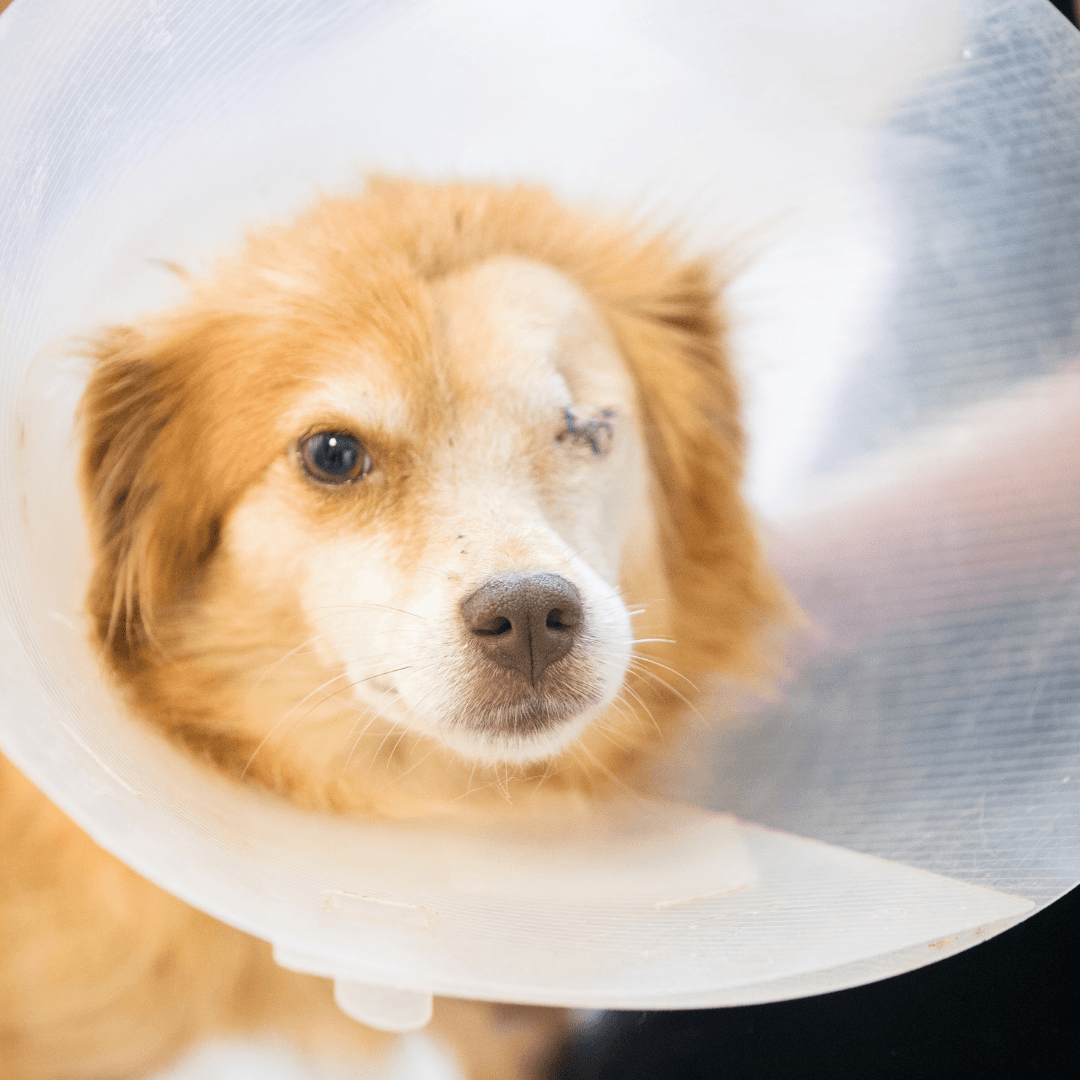
Advocating for robust legislation and effective enforcement mechanisms is paramount in safeguarding the rights and well-being of animals.
By pushing for stricter animal welfare laws, we establish clear standards of conduct and provide a framework for holding perpetrators of cruelty accountable for their actions.
These laws should encompass provisions for the proper care, treatment, and protection of animals and delineate penalties commensurate with the severity of offences.
Furthermore, it is imperative to ensure the rigorous enforcement of these laws through dedicated law enforcement agencies and judicial systems equipped with the resources and expertise necessary to investigate, prosecute, and adjudicate animal cruelty cases.
By imposing significant penalties, including fines, imprisonment, and bans on animal ownership, we send a strong deterrent message to would-be offenders and reinforce the societal norm that animal cruelty will not be tolerated.
Through collective advocacy and policy engagement, we can effect meaningful change and establish a legal framework that upholds the inherent value and dignity of all sentient beings.
5. Supporting Animal Shelters And Rescue Organizations
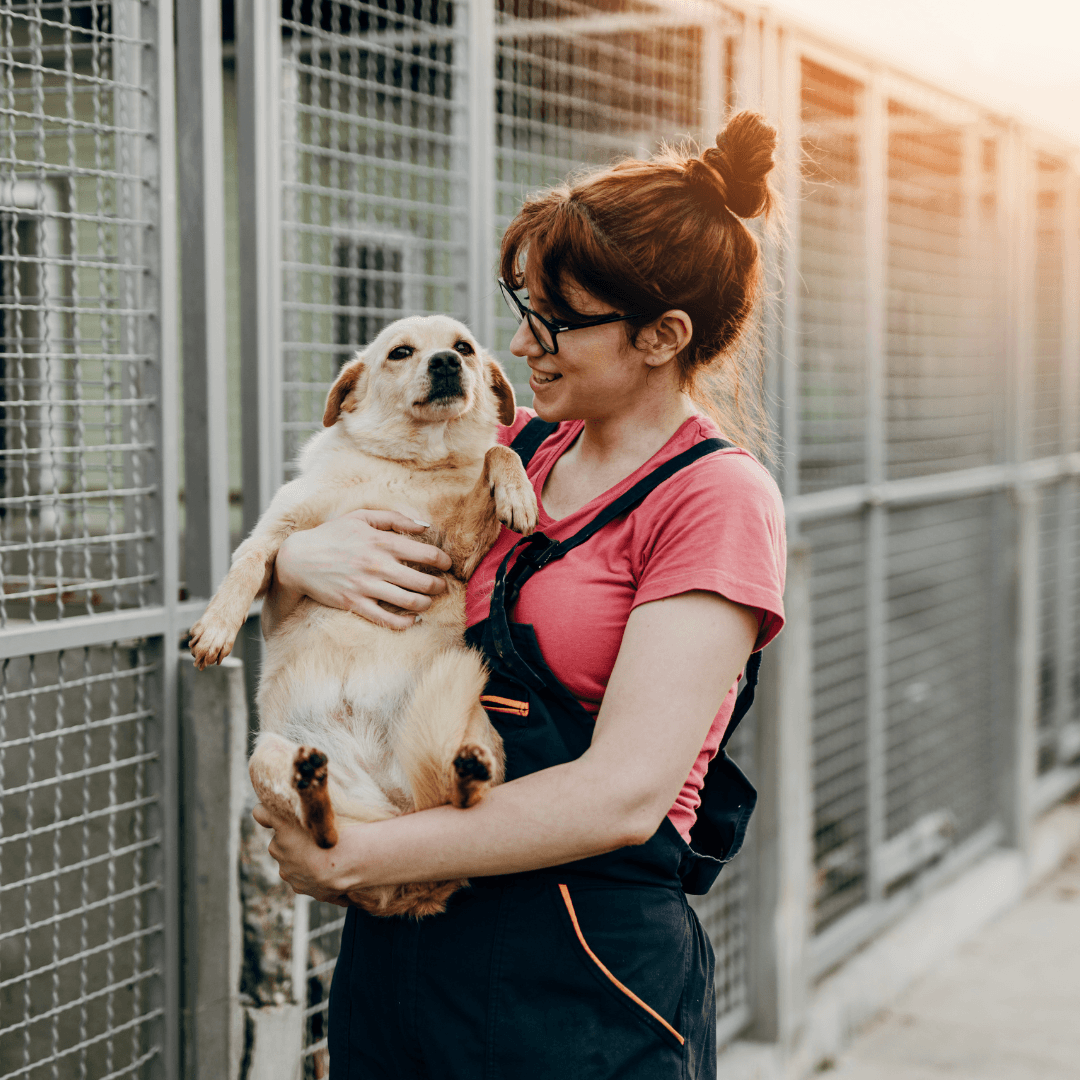
Supporting animal shelters and rescue organizations is a vital way to prevent animal cruelty, providing them with essential care and refuge while addressing the root causes of neglect and abandonment through financial contributions and volunteer efforts.
By offering financial donations, individuals can contribute to the operational costs of these facilities, ensuring that they have the resources to provide food, shelter, medical care, and enrichment for rescued animals.
Volunteering time and skills further bolster these efforts by assisting with animal care, administrative tasks, fundraising events, or community outreach initiatives.
Additionally, fostering animals in need provides temporary homes and socialization opportunities for animals awaiting adoption, alleviating overcrowding in shelters and enhancing their chances of finding permanent loving homes.
Through these acts of support, individuals play a crucial role in rescuing, rehabilitating, and rehoming abused, neglected, and abandoned animals, offering them a second chance at life and embodying the spirit of compassion and empathy towards all living beings.
6. Promoting Cruelty-Free Practices
Promoting cruelty-free practices is an effective way to prevent animal cruelty by advocating ethical consumer choices and supporting legislative measures to ban animal testing in industries such as cosmetics, pharmaceuticals, and fashion.
By raising awareness of the unethical practices associated with animal testing in industries such as cosmetics, pharmaceuticals, and fashion, individuals can make informed decisions to support brands and products certified cruelty-free.
This involves scrutinizing labels, seeking cruelty-free certifications, and opting for alternative products not tested on animals.
Additionally, advocating for legislative measures to ban animal testing and promote the development and adoption of non-animal testing methods further advances the cause of cruelty-free practices.
Through consumer activism, lobbying, and educational campaigns, we can challenge the status quo and drive positive change toward a future where animals are no longer subjected to needless suffering and exploitation in the name of human vanity or profit.
By aligning our purchasing power with our ethical values, we send a powerful message to industries that cruelty towards animals is unacceptable, paving the way for a more compassionate and ethical marketplace.
7. Humane Education In Schools
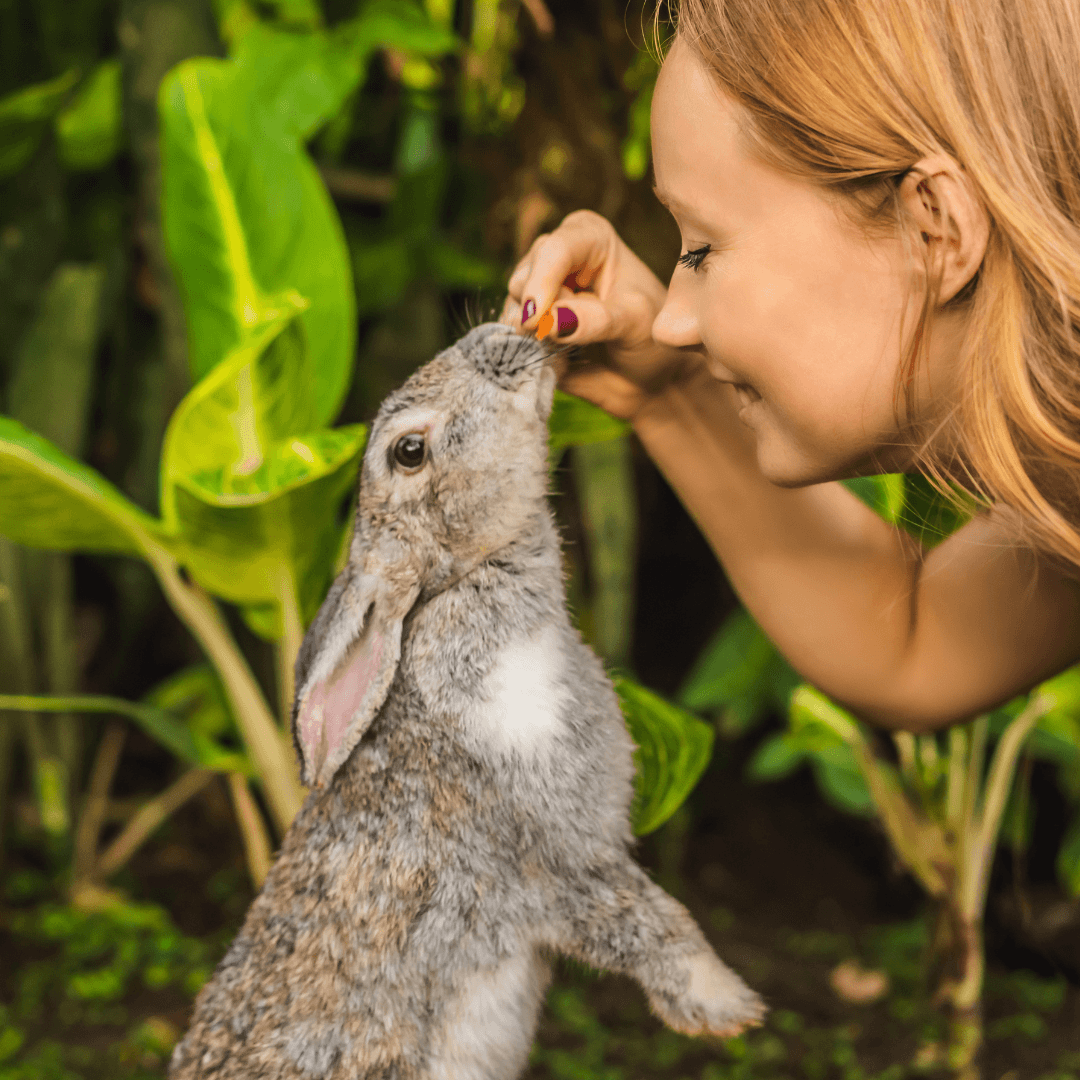
Incorporating humane education into school curricula is one of the most effective ways to prevent cruelty to animals. It also fosters empathy, critical thinking, and a sense of responsibility towards all living beings among students.
Lessons on animal welfare, ethics, and rights are integrated into science, social studies, literature, and other courses to help students develop empathy, critical thinking, and a sense of duty toward animals and the environment.
Students understand the interdependence between humans, animals, and the environment through hands-on learning experiences, interactive discussions, and engagement with animal-related issues.
Moreover, humane education fosters a culture of respect, kindness, and ethical decision-making, laying the groundwork for a more humane society.
By empowering students to become advocates for animal welfare and environmental stewardship, humane education enriches their academic experience.
It equips them with the values and skills needed to contribute positively to the well-being of animals and the planet.

8. Promoting Adoption
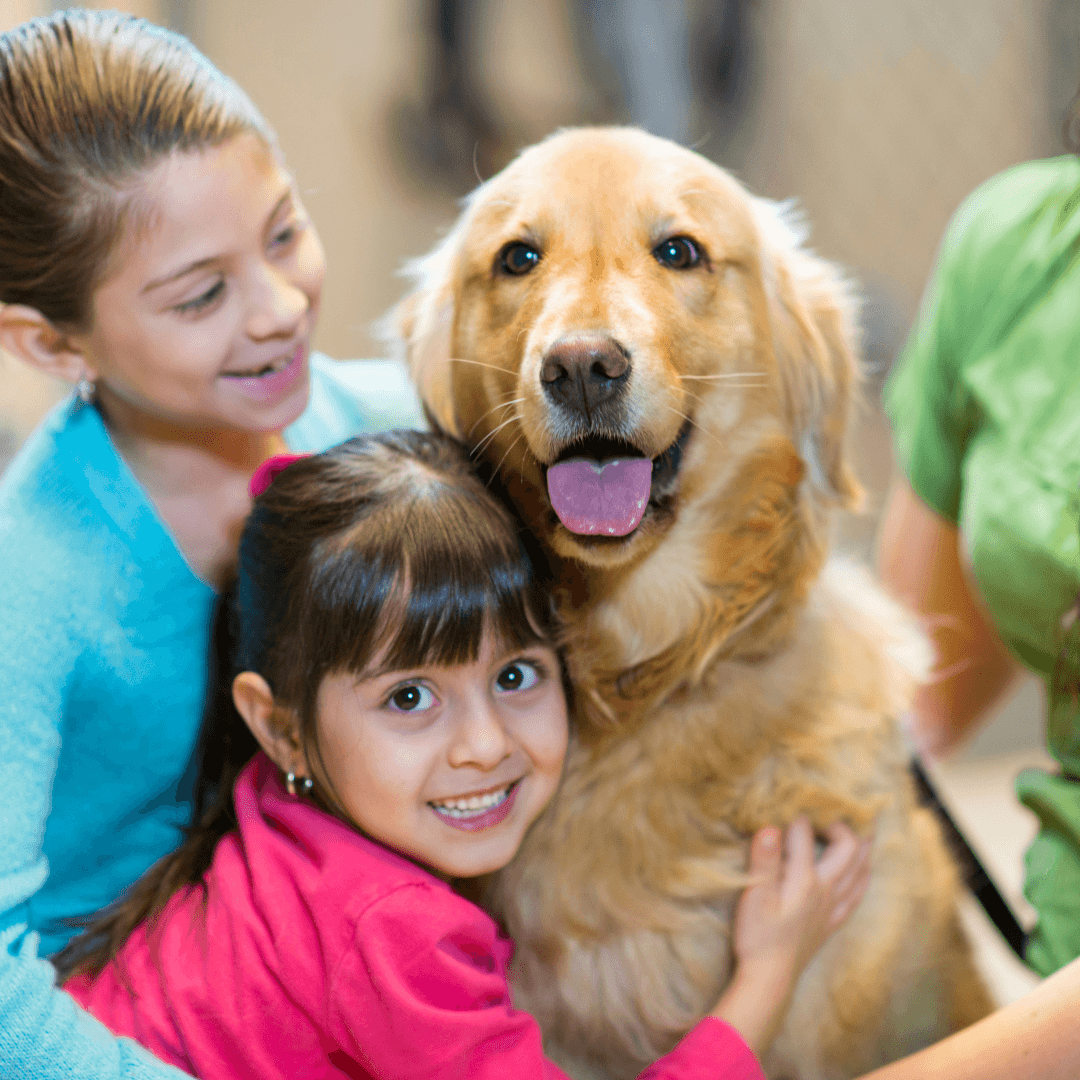
Promoting adoption from shelters and rescue organizations is a significant way to prevent cruelty to animals by providing loving homes for those in need, reducing the demand for commercially bred pets, and alleviating the suffering endured in puppy mills and other breeding facilities.
By encouraging individuals to adopt animals in need of homes rather than purchasing from pet stores or breeders, we reduce demand for commercially bred animals, thereby undermining the profitability of these exploitative operations.
Adopting animals from shelters not only provides loving homes for abandoned, neglected, or surrendered animals but also frees up space and resources within shelters to accommodate more animals in need.
Additionally, adopting from shelters and rescue organizations often offers a wider selection of animals, including mixed breeds and special needs animals, allowing individuals to find a companion that best fits their lifestyle and preferences.
Through advocacy campaigns, community outreach, and educational initiatives, we can raise awareness of the benefits of adoption and inspire individuals to make compassionate choices that improve the lives of animals in need.
9. Supporting Wildlife Conservation Efforts
Supporting wildlife conservation efforts is one of the greatest ways to prevent animal cruelty.
Advocating for habitat protection, conserving endangered species, and addressing threats such as habitat destruction, poaching, and the illegal wildlife trade are ways to achieve this.
By advocating for the protection of wildlife habitats and supporting initiatives to conserve endangered species, we can mitigate the threats posed by habitat destruction, poaching, and the illegal wildlife trade.
Investing in habitat restoration projects, implementing sustainable land management practices, and establishing protected areas and wildlife reserves are essential strategies for preserving critical habitats and ensuring the survival of vulnerable species.
Additionally, combating wildlife crime through strengthened law enforcement, international cooperation, and community engagement efforts is paramount in addressing the scourge of poaching and the illegal trade in wildlife products.
By raising awareness, mobilizing resources, and advocating for policy changes, we can contribute to the collective effort to safeguard wildlife populations and habitats, thereby promoting animal well-being and preserving the natural heritage of future generations.
10. Encouraging Compassionate Choices
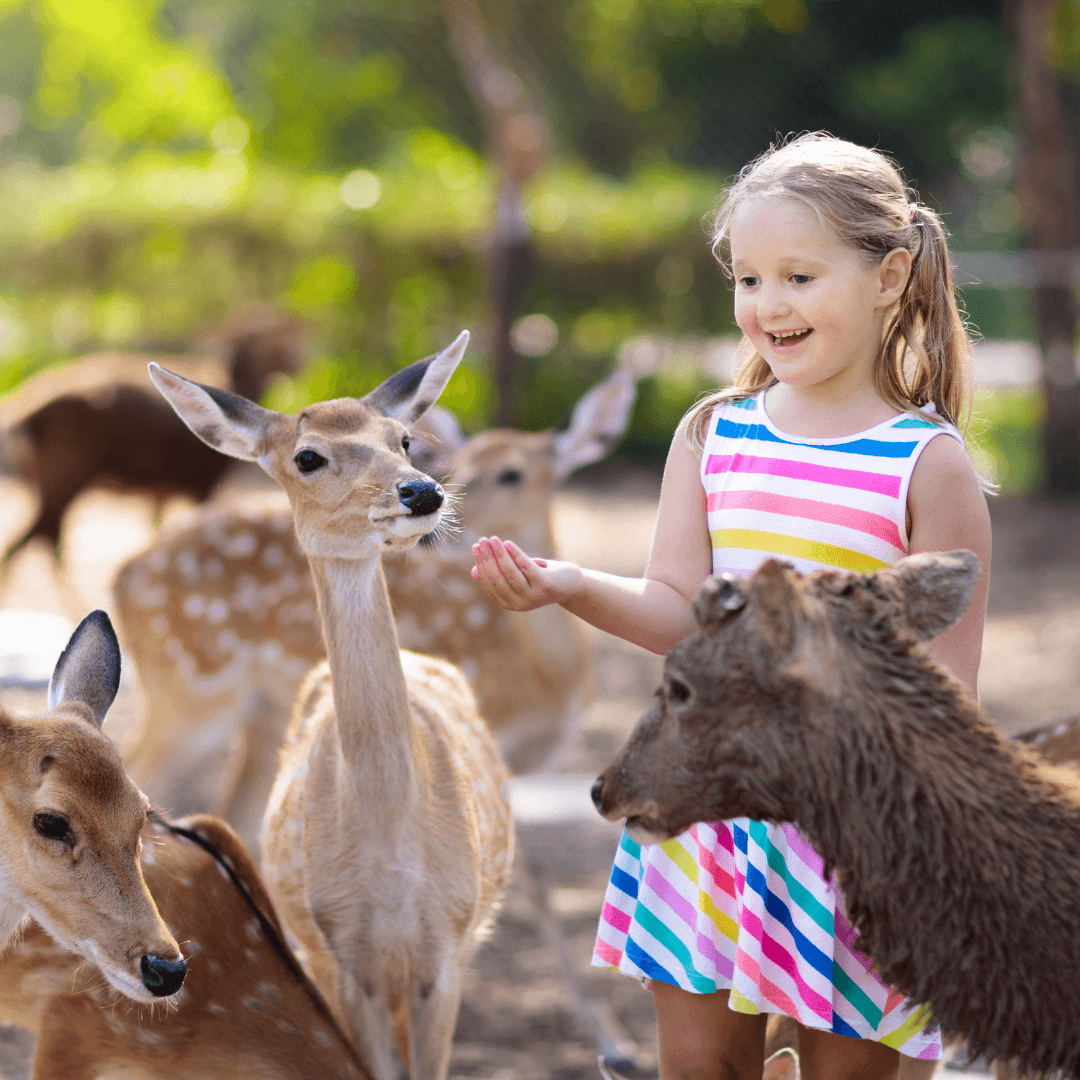
Encouraging compassionate choices in daily life is one of the most impactful ways to prevent animal cruelty, promote animal welfare, advocate for plant-based diets, reduce animal product consumption, and support cruelty-free products.
Promoting plant-based diets and encouraging people to consume fewer or no animal products can decrease the need for factory-farmed animals and lessen the suffering caused by industrial agriculture.
Additionally, choosing products not derived from animals, such as cruelty-free cosmetics, clothing, and household items, supports ethical businesses and promotes a culture of compassion.
Through education, outreach, and awareness campaigns, we can highlight the ethical, environmental, and health benefits of adopting compassionate lifestyle choices.
By empowering individuals to align their actions with their values of kindness and respect for all living beings, we cultivate a more compassionate society where the well-being of animals is prioritized, and cruelty becomes increasingly unacceptable.
Together, through mindful and intentional choices, we can create a more compassionate world for animals and humans alike.
11. Promoting Humane Pest Control Methods
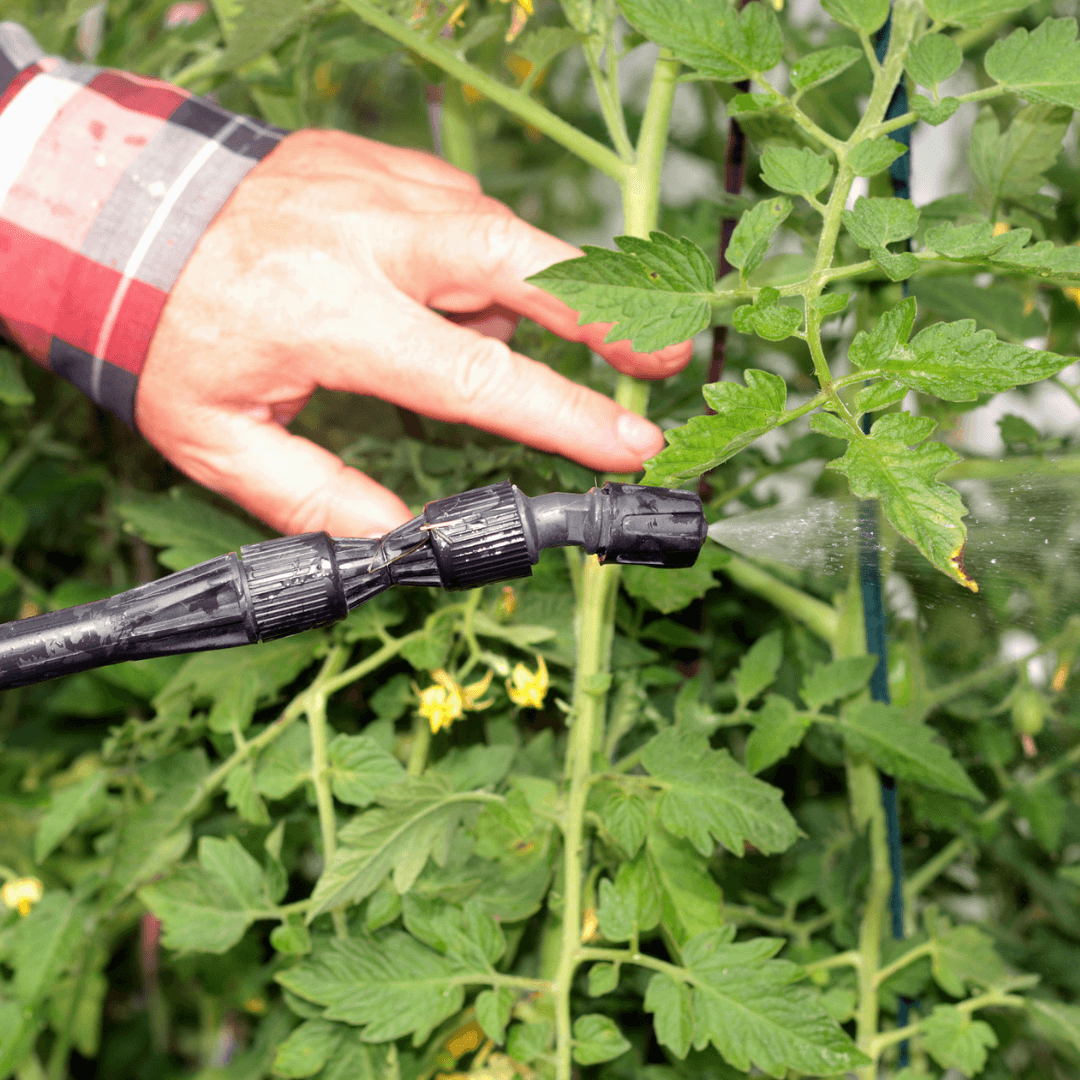
Promoting humane pest control methods is imperative as they offer effective ways to prevent animal cruelty by prioritizing non-lethal alternatives and minimizing harm to unintended wildlife while effectively managing pest populations.
Advocating for adopting non-lethal and environmentally friendly options, such as integrated pest management (IPM), live traps, and exclusion methods, helps prevent the unnecessary suffering of animals while effectively managing pest populations.
These strategies emphasize preventive over lethal tactics by focusing on using natural predators, habitat modification, and physical barriers to repel pests without using hazardous chemicals or deadly traps.
By raising awareness about the negative impacts of conventional pest control methods on wildlife and ecosystems and promoting the availability and efficacy of humane alternatives, we can encourage individuals, businesses, and municipalities to make compassionate choices that prioritize the well-being of animals and the environment.
Through education, outreach, and advocacy efforts, we can foster a culture of coexistence and promote sustainable pest management practices that respect the inherent value of all living beings.
12. Supporting Spaying And Neutering Programs
Supporting spaying and neutering programs is a crucial way to prevent animal cruelty by addressing pet overpopulation and reducing the suffering of stray and community animals, thereby breaking the cycle of neglect and abuse often faced by these vulnerable creatures.
By advocating for and financially supporting spaying and neutering initiatives, particularly targeting community cats and stray animals, we can effectively control their population growth and prevent the cycle of neglect and abuse that often plagues these vulnerable animals.
Spaying and neutering not only help reduce the number of unwanted litters but also have numerous health and behavioural benefits for animals, including reducing the risk of certain diseases and undesirable behaviours.
Through partnerships with veterinary clinics, animal welfare organizations, and community outreach efforts, we can increase access to affordable spaying and neutering services and raise awareness about their importance in promoting responsible pet ownership and alleviating the burden on animal shelters and rescue organizations.
By investing in spay-and-neuter programs, we are taking proactive steps toward creating healthier, happier communities for both animals and humans.
13. Raising Awareness About Exotic Pet Ownership
Raising awareness about the risks and challenges of exotic pet ownership is crucial in safeguarding animal welfare and public safety.
Educating the public about exotic species’ unique needs and behaviours and the legal and ethical considerations surrounding their ownership can discourage the impulse to acquire wild animals as pets.
Exotic pets often require specialized care, diets, and living conditions that are difficult to replicate in a home environment, leading to stress, health problems, and behavioural issues.
Furthermore, the exotic pet trade contributes to habitat destruction, species decline, and the spread of zoonotic diseases, posing significant risks to ecosystems and public health.
Through targeted outreach campaigns, community workshops, and legislative advocacy, we can promote responsible pet ownership practices and discourage the trade and ownership of exotic animals, thereby protecting animals and humans from the detrimental consequences of this unsustainable and often inhumane industry.
Governments, organizations, communities, and individuals working together to prevent animal cruelty share the goal of creating a more compassionate society.

Conclusion
In conclusion, by implementing various ways to prevent animal cruelty, including education, advocacy, legislation, and individual action, we can collectively create a more humane society where compassion and empathy prevail, ultimately fostering a culture of kindness and respect toward all living beings.
By promoting empathy and compassion towards animals from a young age, advocating for stricter animal welfare laws, supporting rescue organizations, and making ethical choices in our daily lives, we can collectively work towards creating a more humane society.
We must recognize all living beings’ inherent value and dignity and strive to protect and respect their rights and well-being.
Through our concerted efforts to address the root causes of animal cruelty, we not only alleviate the suffering of countless animals but also foster a culture of kindness, empathy, and respect that enriches our communities and strengthens our bonds with the natural world.
Together, let us commit to building a future in which cruelty to animals is a distant memory and compassion and empathy reign supreme.
I trust you enjoyed this article on the Best Ways To Prevent Cruelty To Animals. Please stay tuned for more plant-based recipes, vegan travel tips, and lifestyle inspiration.
Take care!
— JeannetteZ 🌿
💬 Your Opinion Is Important To Me
Do you have thoughts, ideas, or questions? I’d love to hear from you. Please leave your comments below, or email me directly at Jeannette@LivingTheVeganLifestyle.org.
📚 More Vegan Lifestyle Reads
⭐ My #1 Recommendation for Online Success
Sharing my passion for vegan living — from food to fashion — has been such a rewarding journey.
If you’ve ever dreamed of building your own ethical lifestyle brand or blog, this is the best place to start.
🚀 See How Vegan Bloggers Build Online Income — Try WA Free (No Credit Card Needed)
Disclosure
This post may contain affiliate links. As an Amazon Associate and participant in other affiliate programs, I earn from qualifying purchases at no extra cost to you. Please read my full affiliate disclosure.