11 Best Muscle-Building Vegan Foods With Recipes
Muscle-building vegan foods can provide the nutrients and protein needed to support strength, recovery, and healthy muscle growth. While some people believe building muscle on a vegan diet is difficult, a well-balanced plant-based diet can offer plenty of protein-rich options.
The key to gaining and maintaining muscle on a vegan diet is eating a variety of nourishing foods and ensuring you get enough protein throughout the day. Foods such as legumes, tofu, tempeh, nuts, seeds, and whole grains can all play an important role in supporting muscle development.
Whether you’re new to fitness or looking to improve your results, choosing the right foods can make a noticeable difference. In this article, we’ll explore some of the best muscle-building vegan foods to help support your goals naturally.
Why Is Protein Necessary For Muscle Growth?
Eating a wide variety of complete foods is essential for overall health, regardless of which diet you follow. Two macronutrient types are crucial for vegans seeking to gain muscle: protein and carbs.
Protein is the building block of muscle, and numerous studies demonstrate the relevance of a protein diet for muscle gain.
Our muscles break down protein as they continuously activate during resistance training or exercise. However, the muscle cannot grow if the amount of protein broken down exceeds the amount generated.
Muscles also need complete proteins that contain all nine essential amino acids to function and grow. While there are a few plant-based sources of complete proteins, you can also combine incomplete proteins with plant-based foods to provide your body with complete protein.
(And no, they don’t have to be consumed all at once to be effective; make sure you have all nine amino acids in your diet throughout the day.)
What Protein Do I Require For Muscle Growth?
Protein requirements vary depending on height, weight, fitness objectives, degree of activity, and age. The current daily protein allowance is approximately.
73-1 gram per pound of body weight per day. Experts advise that this recommendation be considered the bare minimum for meeting your body’s fundamental needs and preventing illness.
Athletes should aim for 2.2-3.4 grams of protein per pound of body weight, roughly double that amount. More information on how vegans obtain protein can be found here.
Why Are Carbohydrates Necessary For Muscle Growth?
While protein is the building block of muscle, getting enough carbohydrates in your diet is equally critical. If you aim to gain muscle, you’re probably putting in long workouts that require a lot of energy.
Carbohydrates provide the energy your body needs to fuel those efforts. When you exercise, your body refuels the glycogen in your muscles that you have depleted by eating carbohydrates.
If your body doesn’t obtain enough carbohydrates after exercise, it will rely on other sources, like protein, to restore glycogen stores, which should be used to build muscle.
Most carbohydrate intake should be complex, but simple carbs, like a piece of fruit, can provide a quick energy boost before or after a hard activity. You’ll be glad you fuelled yourself wisely when pushing for that last rep.
Here Are Some Tips On How To Gain Muscle Mass As A Vegan
- Make certain you consume enough calories. To gain muscle mass, you must consume more calories than your body requires. Naturally, choose calorie-dense foods such as avocado and nuts. A body analysis scale may calculate your BMR, which is the minimum number of calories your body requires.
- Get adequate protein in your diet. Consume enough protein throughout the day, dividing it up between meals and snacks. You should consume at least 20 grams of protein after exercise, as studies show this amount most effectively stimulates muscle protein synthesis.
- Eat a varied diet to obtain essential amino acids. Amino acids help your body store and transfer various resources (including fat, water, and carbohydrates).
- The 9 necessary amino acids, in addition to protein, are required for optimum muscle growth. Your body does not manufacture these amino acids. They must be obtained through food. Amino acids are mostly found in protein-rich foods, but not all include them, so make sure you eat a diverse vegan diet to acquire all 9 amino acids.
- Adequate fat in your diet is crucial. Fat contains more calories per gram than carbs or protein, so consuming enough calories is crucial.

Muscle-Building Vegan Foods
1. Nuts
Nuts like peanuts, almonds, and pistachios can help you get additional bone-building calcium into your diet without having to eat dairy.
Because nuts contain a well-balanced blend of protein, fibre, and fat, one serving (1oz) offers roughly 160 high-quality calories (according to Calorie Counter).
Nuts are a terrific power food that can help you fill up and slim down. They are also the perfect snack on the move or in the office. “Nut and seed butter include more fat than protein, but these ‘healthy’ fats help you lose weight,” Brown explains.

2. Legumes
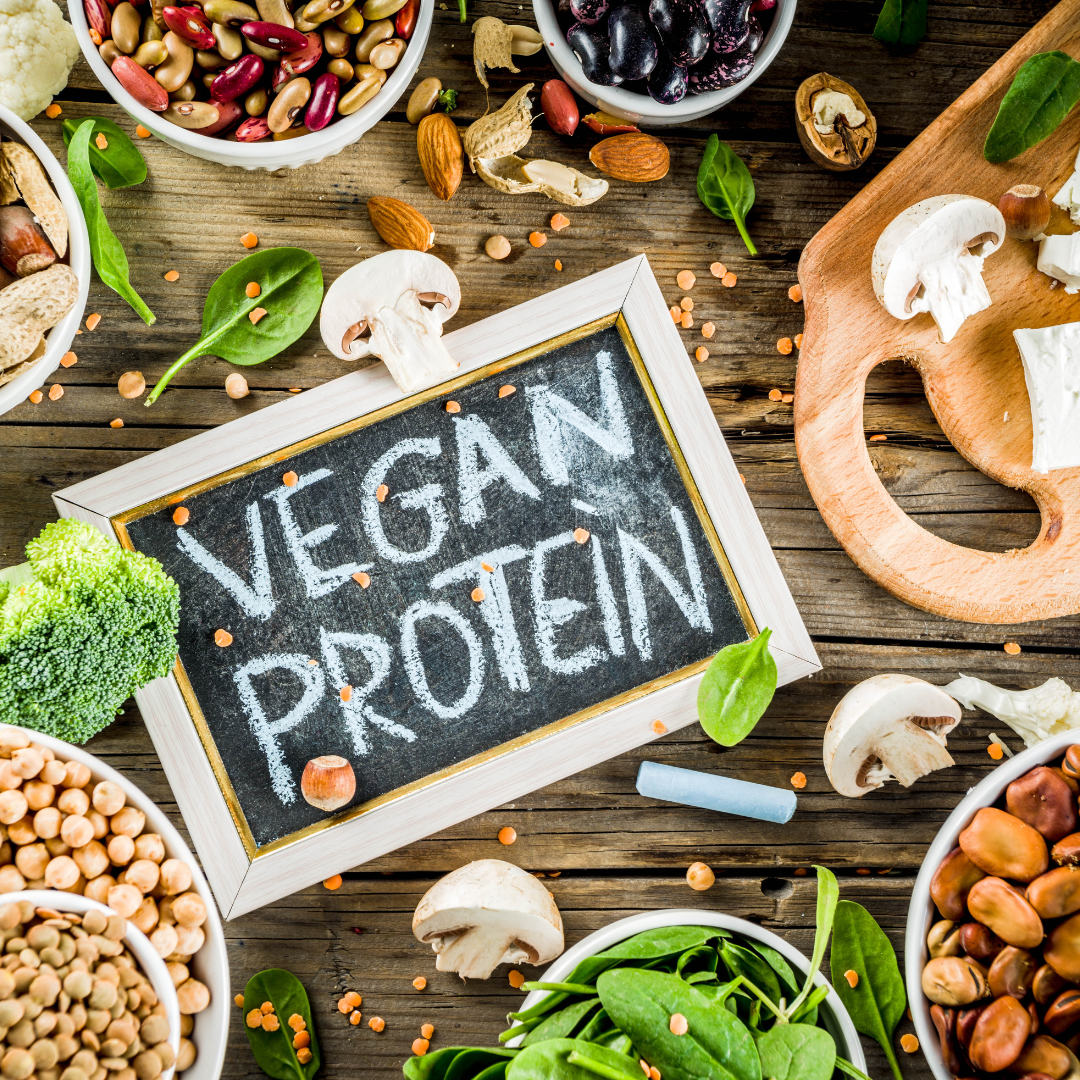
Lentils, peas, chickpeas, and soybeans are legumes similar to beans but grown in pods. They’re low-fat, cholesterol-free, and one of the most protein-dense foods for vegetarians and vegans. Cooked lentils have roughly 18 grams of protein. Use the brown variety in soups and the green kind in salads.

3. Beans
Plant-based proteins are often overlooked, but they are the other-highest source of protein after meat. The average protein content of all bean varieties (black, pinto, navy, kidney, etc.) is around 15 grams.
Beans are also extremely low in fat, high in fibre, and, best of all, inexpensive. “While beans are not complete proteins, they contain many important amino acids required for muscular growth. Brown adds, “5-1 cup daily for protein and fiber advantages.”

4. Cruciferous Vegetables
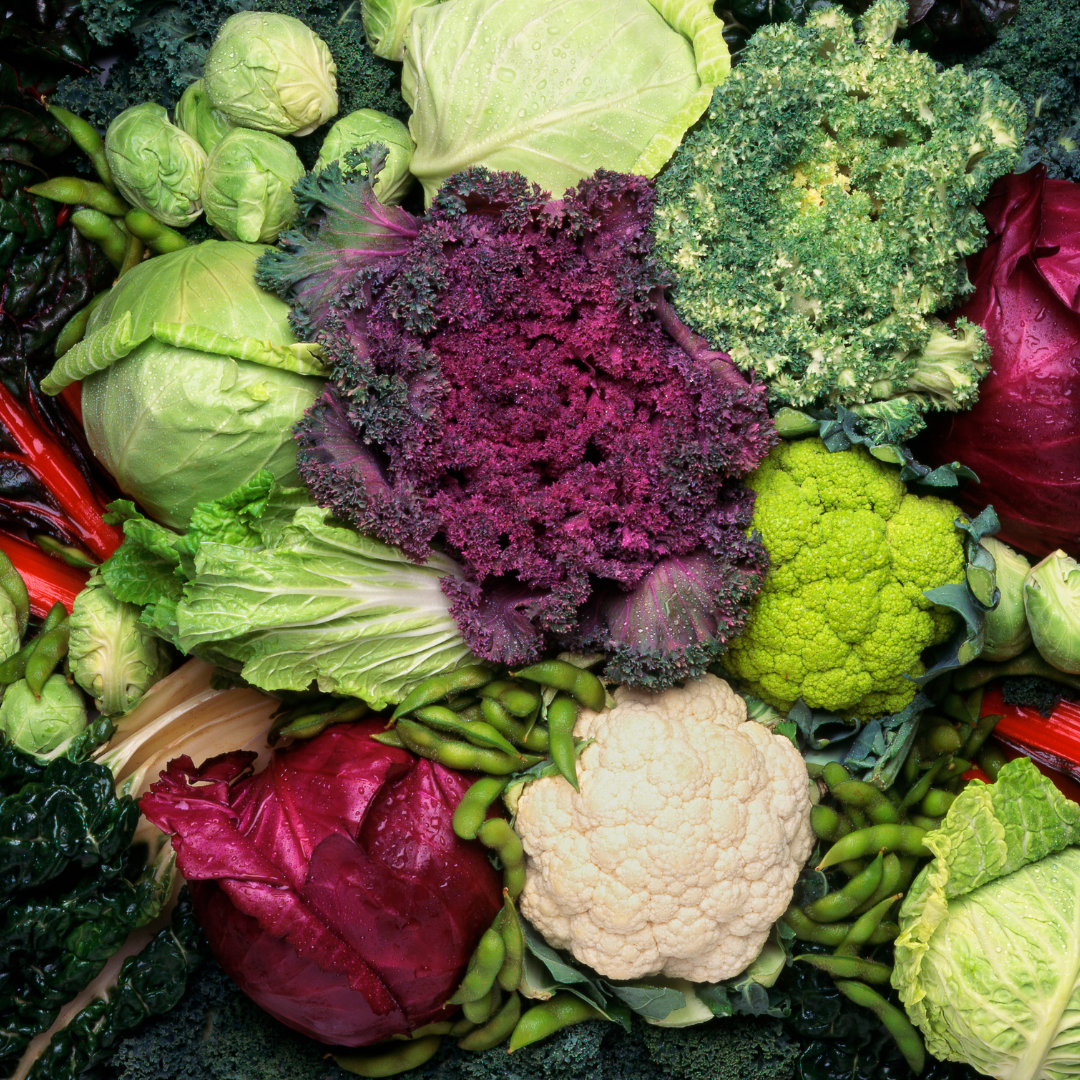
In particular, broccoli is a good source of protein among cruciferous veggies. For 5 grams of protein, add two cups of raw broccoli to a salad or eat some as a mid-day snack.
5. Non-Dairy Milk
One cup of calcium-fortified hemp milk contains roughly 3 grams of protein and 30% of your daily calcium requirements.
Drinking soy milk can provide you with even more protein. One cup contains 8 grams of protein. Have a glass with your breakfast, pour some into your cereal, or mix it into your smoothies.

6. Spirulina
Spirulina is a type of blue-green algae that is extremely high in protein, 70%. This means it has more protein than meat and dairy. Spirulina powder can be readily added to a smoothie or dish, or supplements can be taken daily.

7. Seeds
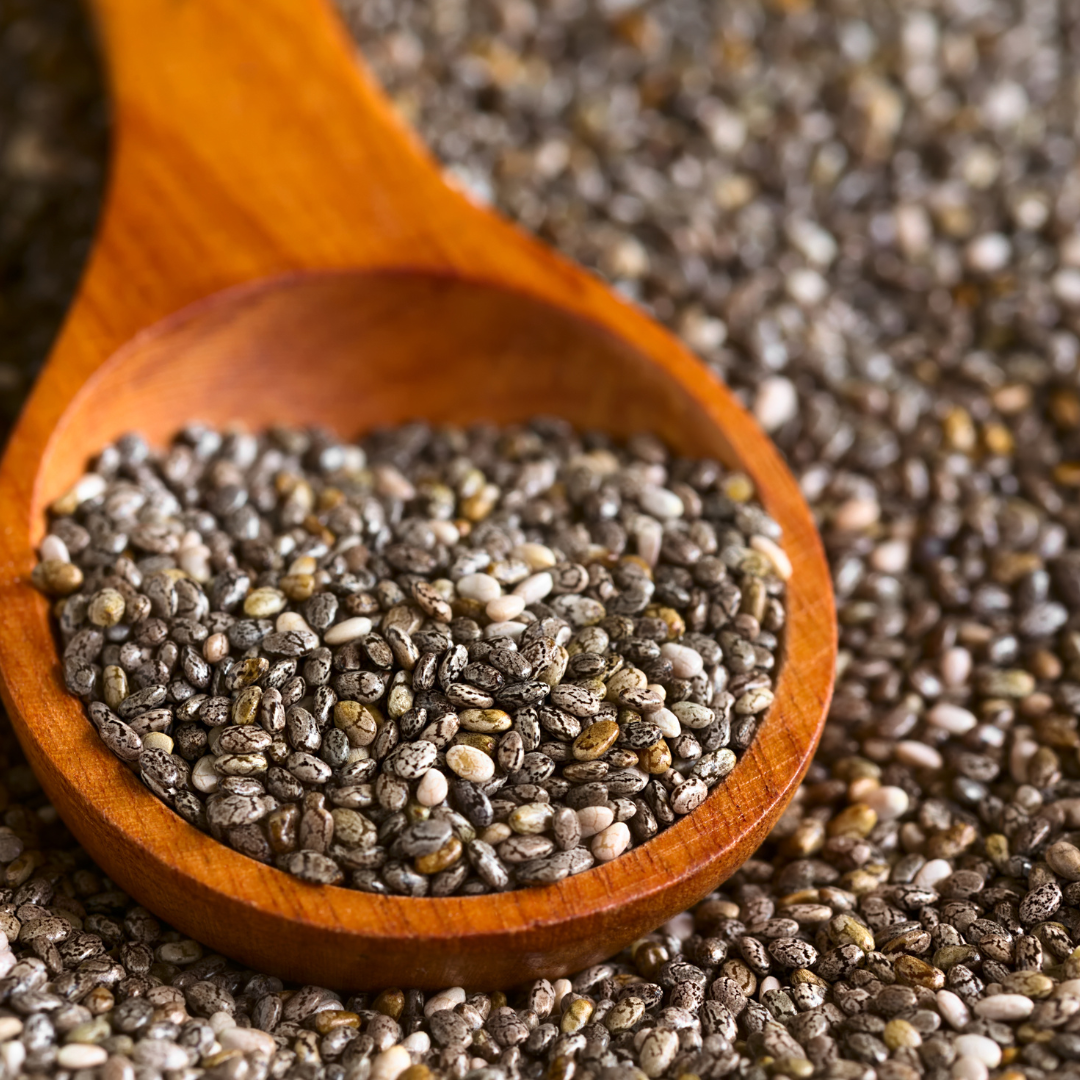
“Chia seeds are high in protein, healthy fat, and omega 3s, making them one of the greatest snacks or dish additions,” Brown notes.
“Make chia pudding or sprinkle chia seeds on yogurt for a protein boost.” “Make chia pudding or sprinkle chia seeds on yogurt for a protein boost. “Chia seeds include 60 calories and 3 grams of protein per tablespoon.
8. Protein Powder From Peas And Hemp
“These proteins are showing up in a lot more protein powders,” Brown says. “Because it’s equivalent to animal protein, pea protein is one of the best protein options in terms of nutrition and amino acids.”
9. Tofu And Tempeh
These meat replacements include 12 grams of protein per 100 grams and are adaptable. You can, for example, use them in various stir-fried dishes, curries, and salads, or lightly fry them alongside veggies and rice.

10. Nutritional Yeast
Vegans are familiar with nutritional yeast flakes. Although it resembles dry sawdust, this type of yeast has a cheesy flavour and can be used as a substitute for grated cheese. A tablespoon (10 g) of these flakes sprinkled on top of pasta provides five grams of vegan protein.
11. Porridge Oats
Oatmeal is a great protein-rich breakfast or post-workout meal. It has a protein content of roughly 13 grams per 100 grams and is simple to combine with other vegan proteins.
You may make your protein booster by combining soy milk (7 g protein), a dollop of peanut butter, a handful of nuts, and some blueberries.

Plant-Based Muscle-Building Recipes
1. Vegan Sesame Tofu
Ingredients For The Marinade
- Tamari: ¼ cup
- Water: 2 tablespoons
- Garlic: 1 clove
- Peanut or sesame oil: 1 tablespoon
- Agave nectar: 1 tablespoon
Ingredients For The Sesame Tofu
- Gluten-free extra-firm tofu: 1 package
- Rice wine: 4 tablespoons
- Peanut oil: 2 tablespoons
- Sesame seeds: 2-3 tablespoons
- Ginger: 1 tablespoon, minced
- Tamari: 2 tablespoons
- Coldwater: ¼ cup
- Agave nectar: 2 tablespoons
- Spicy chilli sauce: 2 tablespoons
- Zest of 1 lemon
- Gluten-free Hoison sauce: 2 tablespoons
- Scallions sliced: 2 tablespoons
- Garlic: 4 cloves
Method
- Tofu should be cut into cubes. Combine the marinade ingredients in a mixing dish. Toss the tofu cubes in the marinade and refrigerate for at least one hour.
- To make a slurry, combine 2 tablespoons of arrowroot with 14 cups of cool water and put it aside. Place the rest of the arrowroot on a plate. Remove the tofu cubes from the marinade, brush off any excess, and cover in arrowroot powder. One tablespoon of oil is heated over medium-high heat in a large sauté pan or wok. Cook the tofu cubes in the oil for about 7 minutes or until they are browned and crisp on all sides. Place the tofu on a paper towel-lined dish after removing it from the pan.
- Reduce the heat to medium and add the last tablespoon of oil to the pan. Garlic and ginger should be added now. Cook for 30 seconds or until the mixture is aromatic. Combine the mirin, tamari, Hoisin, agave, and chilli sauce in a separate pan. Bring to a low simmer, stirring occasionally. In a separate bowl, make an arrowroot-water slurry and stir it into the sauce. Cook until the sauce thickens, about 5 minutes.
- Toast the sesame seeds in a small skillet over low heat while the sauce cooks. Every once in a while, move them around with a spatula and keep an eye on them so they don’t burn. Remove them from the heat when they turn brown and are toasted.
- Toss the tofu with the sauce to coat, then reheat. Turn the heat off. Toss in the lemon zest. Serve with toasted sesame seeds and scallions on top. Serve with steamed vegetables and brown rice.

2. Vegan Zucchini And Edamame Miso Soup
Ingredients
- Zucchini: 1.75 pounds
- Frozen edamame beans: 7 ounces
- Garlic: 3 cloves, crushed
- Onion: 1 medium
- Low-sodium vegetable stock: 2 cups
- Lemon juice: 1 lemon
- Ginger root: 1 thumb-sized, grated
- Nori: 2 sheets
- Cilantro: 1 small bunch
- Olive oil
- Black sesame seeds (optional)
- Brown miso paste to taste
Method
- Heat some olive oil in a large pot.
- The pan is filled with finely chopped onion, crushed garlic, grated ginger, and diced zucchini. The mixture is cooked for 3 minutes, stirring occasionally.
- Toss in some stock. Bring the water to a boil.
- Reduce the heat to low and cook for 15 minutes or until the courgettes are tender.
- Toss the soup in a blender.
- To taste, add miso paste (start with ½ tablespoon). Stir well to avoid clumping of the miso paste.
- Add edamame beans and shredded nori sheets. Cook for 5 minutes more on low heat.
- To taste, add lemon juice.
- On top, sprinkle with chopped cilantro and black sesame seeds.

3. Vegan Muscle-Building Smoothie
Ingredients
- Almond milk: 200ml
- Rolled oats: 1 tablespoon
- Chia seeds: 1 teaspoon
- Hazelnuts: 1 tablespoon
- Dates: 2 pieces, pitted
- Coffee & Walnut Vegan Protein Blend: 1 scoop
- Pinch sea salt
Method
- To begin, pour the milk into your blender (this prevents anything from getting stuck in the bottom).
- After that, add the additional ingredients to the blender and blend until completely smooth.
- If you’re feeling fancy, pour it into a glass or shaker and top it with some extra dates and nuts.

4. Vegan Avocado Chickpea Pizza
Ingredients For The Crust
- Gluten-free vegan pizza crust: 1 batch
Ingredients For The Sauce
- Olive oil: 2 tablespoons
- Tomato sauce: ½ cup
- Coconut milk: 4 tablespoons
- Balsamic vinegar: 1 tablespoon
- Hot sauce: 1 tablespoon
- Coconut sugar: 1 teaspoon
- Smoked paprika: 1 teaspoon
- Onion powder: 1 teaspoon
- Garlic powder: 1 teaspoon
- Sea salt and pepper to taste
Other Ingredients
- Chickpeas: 15 oz
- Avocado: 1
- Easy vegan cheese sauce: 1 batch
Method
- Make the pizza crust according to the recipe’s instructions. Preheat the oven to 200°C (390°F).
- Mix 1 tablespoon of oil and all other sauce ingredients in a mixing bowl to make the sauce. Spread the sauce on the pizza crust (reserving 3-4 tablespoons) and bake for 10 minutes.
- Heat 1 tablespoon of oil in a skillet, add 3-4 tablespoons of sauce and chickpeas and cook for 3-5 minutes over medium heat.
- After spreading the chickpea mixture and vegan cheese sauce on top, return the pizza to the oven for another 10-15 minutes (or until crispy). You can substitute any vegan cheese you like.
- Remove the avocado’s stem, peel it, and cut it into chunks before adding it to the pizza. If preferred, season with more salt, pepper, or spices. Enjoy your delectable avocado chickpea pizza!

5. Vegan Chilli Mac
Ingredients
- Onion: 1, chopped
- Red bell pepper: 1, chopped
- Pinto beans: 15 oz
- Cumin: 2 teaspoons
- Crushed tomatoes: 28 oz
- Chilli powder: 1½ tablespoons
- Vegan cheddar cheese: 1½ cups
- Sea salt: ½ teaspoon or to taste
- Can kidney beans: 15 oz
- Vegetable broth: 2 cups
- Whole wheat pasta: 8 oz
- Black pepper: ⅛ teaspoon
- Chopped green onions for serving
Method
- Combine all ingredients except the pasta, cheese, and green onions in a slow cooker. To blend, stir everything together. Cook for 4 hours on high or 6-8 hours on low heat, covered.
- Stir in the pasta and cook over high heat for another 15-20 minutes, or until cooked through. At this point, add one cup of cheese.
- Top with the remaining cheese and green onions before serving.
- To make this a freezer-to-crockpot dinner, follow these steps:
- Combine all ingredients except broth, pasta, and cheese in a heavy-duty zip-top bag. Squeeze out as much air as possible, then shut the bag. Freeze up to 3 months in advance.
- When you’re ready to cook, defrost the contents of the bag and transfer them to your slow cooker. Cook as suggested above with the broth (you can pour part of the stock into the empty bag to extract all the spices, etc.).

6. Vegan Protein Bars
Ingredients
- Gluten-free oats: 2 cups
- Coconut milk: ½ cup
- Crushed walnuts: ½ cup
- Salted maca caramel protein: 1 scoop
- Maple syrup: ¼ cup
- Vanilla extract: 2 teaspoons
- Dark chocolate: 150g
- Cacao powder: ¼ cup
- Desiccated coconut: ⅓ cup
Method
- Prepare a 20cm square baking tray lined with parchment paper.
- Combine all ingredients in a large mixing basin, then transfer to a pan and press down.
- Place this mixture in the baking tray, cover it with parchment paper, and smooth it out with a flat item to produce a uniform layer.
- Allow the melted dark chocolate to sit in the refrigerator overnight!
- Place them in the freezer for 15 minutes, then remove and cut into desired sizes.

Conclusion
Building muscle on a vegan diet doesn’t have to feel difficult or complicated. By choosing the right foods and including enough plant-based protein in your meals, it’s entirely possible to support muscle growth and maintain strength.
Simple ingredients such as beans, lentils, tofu, tempeh, nuts, seeds, and whole grains can make a big difference when included regularly in your diet.
A balanced, protein-rich vegan lifestyle can help fuel workouts, support recovery, and keep you feeling energized. With a little planning and variety, gaining muscle on a vegan diet can be both achievable and enjoyable.
You might also want to read my article about The Vegan Bodybuilding Diet.
I trust you enjoyed this article on the 11 Best Muscle-Building Vegan Foods With Recipes. Please stay tuned for more plant-based recipes, vegan travel tips, and lifestyle inspiration.
Take care!
— JeannetteZ 🌿
💬 Your Opinion Is Important To Me
Do you have thoughts, ideas, or questions? I’d love to hear from you. Please leave your comments below, or email me directly at Jeannette@LivingTheVeganLifestyle.org.
📚 More Vegan Lifestyle Reads
⭐ My #1 Recommendation for Online Success
Sharing my passion for vegan living — from food to fashion — has been such a rewarding journey.
If you’ve ever dreamed of building your own ethical lifestyle brand or blog, this is the best place to start.
🚀 See How Vegan Bloggers Build Online Income — Try WA Free (No Credit Card Needed)
Disclosure
This post may contain affiliate links. As an Amazon Associate and participant in other affiliate programs, I earn from qualifying purchases at no extra cost to you. Please read my full affiliate disclosure.