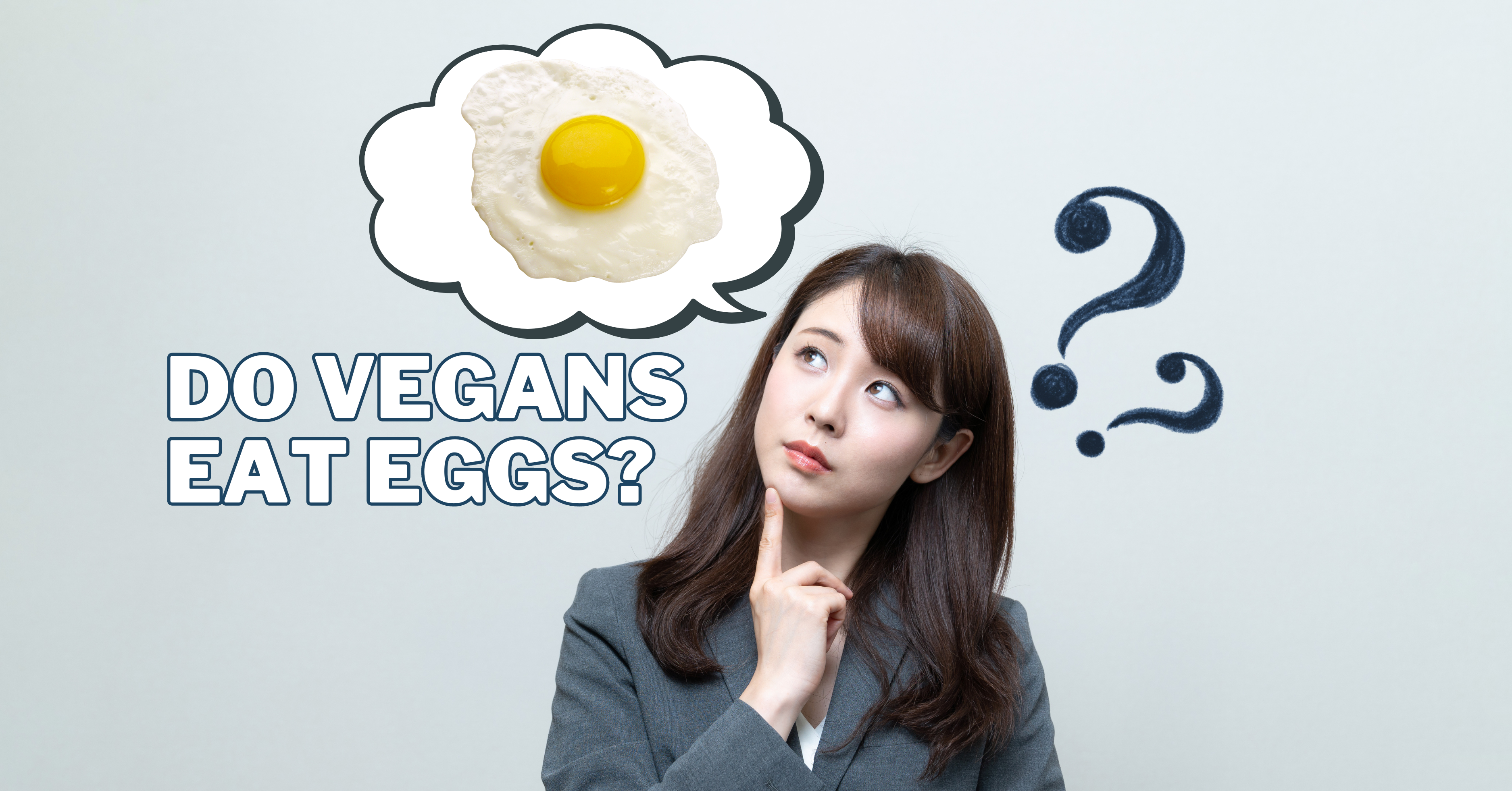
Do Vegans Eat Eggs
Do vegans eat eggs? No. Vegans avoid all animal-derived foods, including meat, dairy products, eggs, and honey.
Eggs are considered an animal product, regardless of whether they come from commercial farms, free-range hens, or backyard chickens. For this reason, they are not included in a vegan diet.
Some vegetarians choose to eat eggs while avoiding meat and fish. However, veganism excludes eggs and all other foods that come from animals.
In this article, we'll explore why vegans avoid eggs, how veganism differs from vegetarianism, and the plant-based alternatives that can be used in cooking and baking.
Why Don’t Vegans Eat Eggs?
Vegans avoid eggs for ethical, environmental, and health-related reasons. One of the main concerns is the treatment of hens in the commercial egg industry.
Many hens are kept in crowded conditions that limit their ability to move freely and express natural behaviours. These practices raise animal welfare concerns and conflict with the vegan goal of reducing animal suffering.
Another concern is the treatment of male chicks. Because they do not lay eggs, they are often culled shortly after hatching. Many vegans view this as an unnecessary harm associated with egg production.
Environmental considerations also influence the decision to avoid eggs. Commercial egg production requires significant amounts of feed, water, land, and energy. It can also contribute to greenhouse gas emissions and other environmental challenges.
Some people also choose to avoid eggs for health reasons. While motivations vary, many individuals prefer to obtain their nutrients from plant-based foods as part of a balanced vegan diet.
For many vegans, avoiding eggs aligns with the broader goal of reducing animal exploitation, lowering environmental impact, and supporting a more compassionate lifestyle.
Want to Share Your Passion for Vegan Living?
Sharing my passion for vegan living — from recipes and travel to mindful living — has been such a rewarding journey.
If you’ve ever dreamed of creating a blog or website around
something you truly care about, this guide may inspire your first step.
🌱 Read: How To Start A Vegan Blog
Curious how I started? Read my story:
How Wealthy Affiliate Helped Me Build My Vegan Blog
Vegan Egg Alternatives
Vegans have a variety of plant-based alternatives to eggs that can be used in cooking and baking. These alternatives offer similar functionalities to eggs while aligning with vegan principles. Here are some popular vegan egg substitutes:
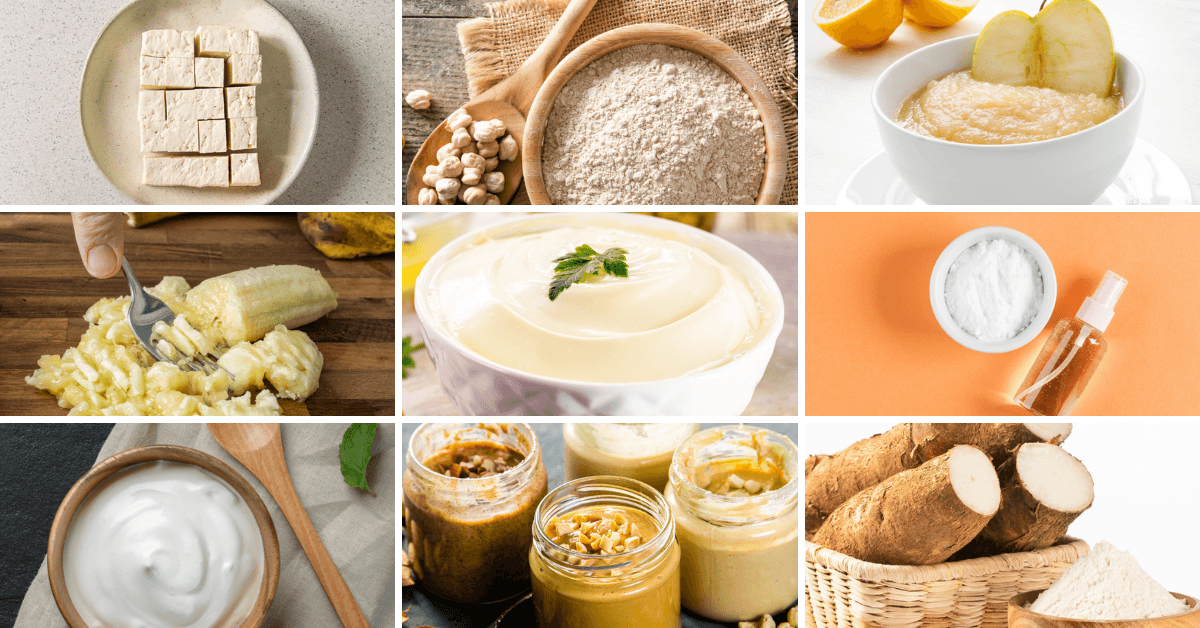
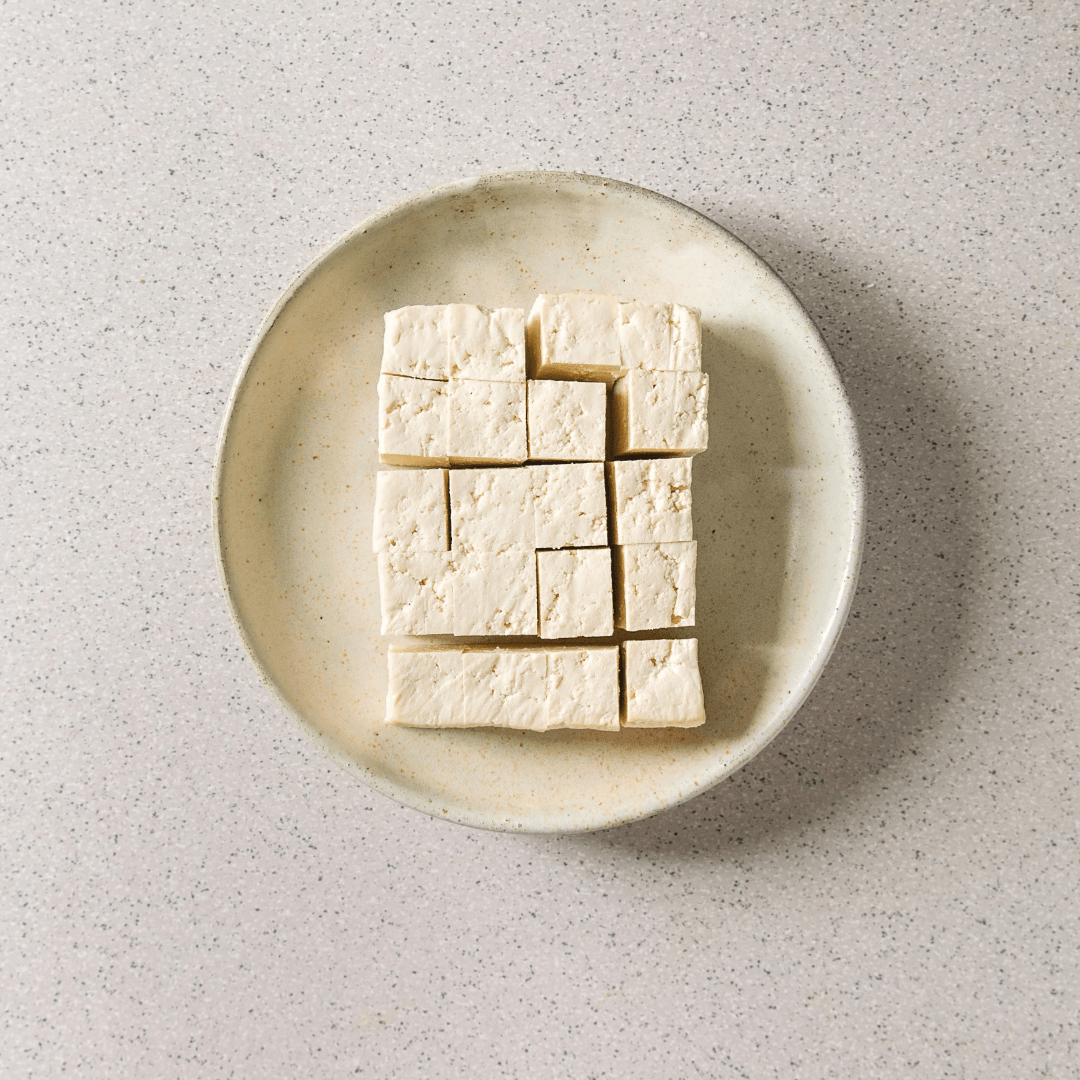
1. Tofu
Tofu, particularly silken tofu, is a versatile and popular choice among vegans seeking an egg alternative. With its smooth and custard-like texture, silken tofu can be transformed into a creamy mixture reminiscent of scrambled eggs.
When blended, silken tofu resembles traditional scrambled eggs, making it an excellent base for crafting vegan versions of classic breakfast dishes like omelets and breakfast burritos.
This tofu-based scramble can be further enhanced with a variety of seasonings, vegetables, and spices to create a hearty, flavourful meal.
Beyond its ability to mimic the texture of scrambled eggs, silken tofu also serves as a binding agent, making it suitable for various recipes that require an egg.
Silken tofu can be incorporated into baked goods like muffins, pancakes, and cakes to help hold the ingredients together and add moisture.
Its mild flavour seamlessly blends into sweet and savoury dishes, providing a neutral base that can adapt to various flavours.
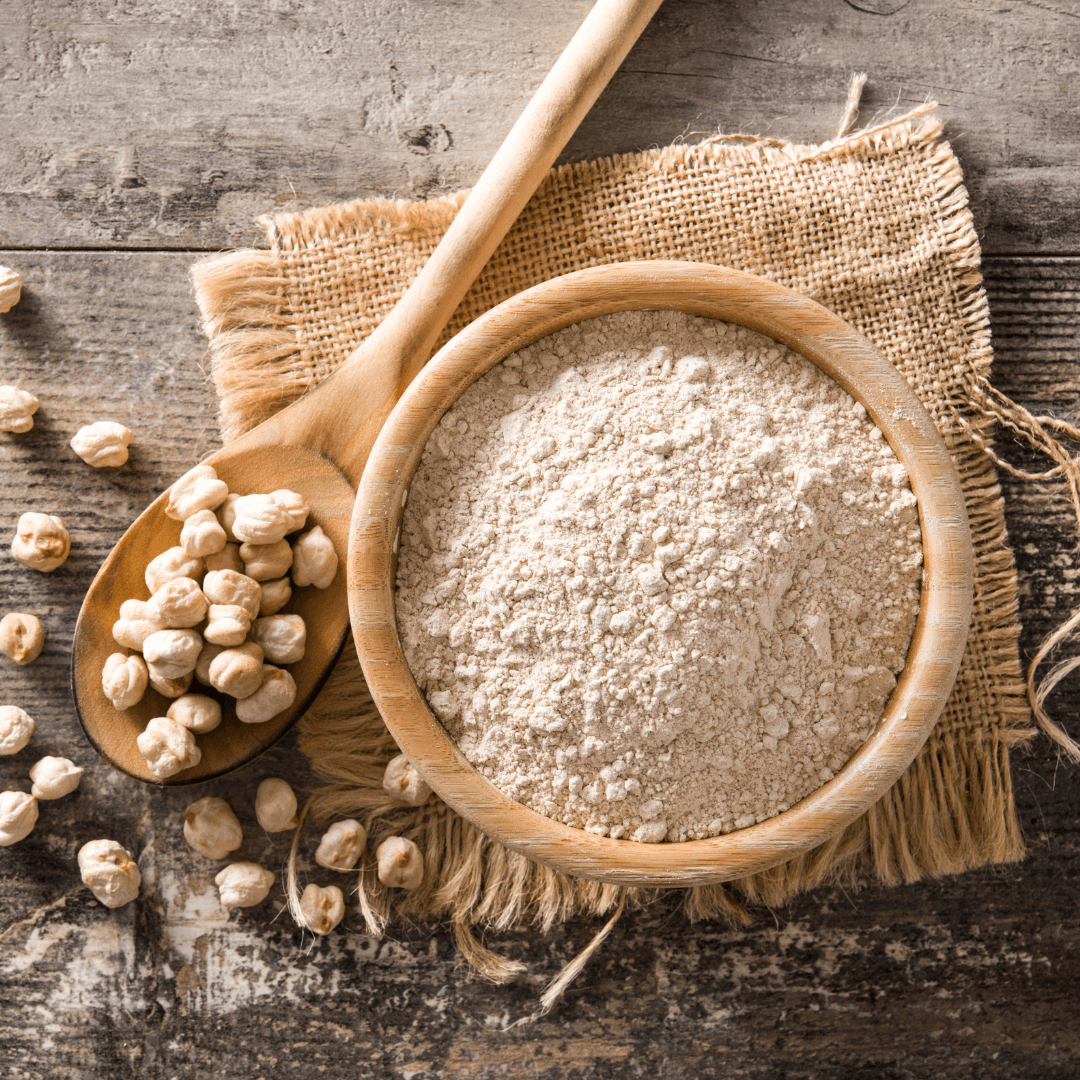
2. Chickpea Flour
Chickpea flour, a versatile and protein-rich ingredient, offers a fantastic alternative to eggs in various vegan recipes.
Commonly known as besan or gram flour, chickpea flour can be skillfully transformed into a batter that resembles the texture and functionality of eggs.
Mixing chickpea flour with water or plant-based milk creates a batter that is excellent for making vegan omelets, cakes, and pancakes.
When cooked, chickpea flour batter becomes firm and sets into a cohesive structure, similar to how eggs bind ingredients together.
This property makes it an ideal candidate for making egg-free omelets, in which the batter can be customized with various vegetables, herbs, and seasonings for a flavourful and satisfying meal. Chickpea flour's naturally nutty flavour adds a pleasant dimension of flavour to dishes.
Chickpea flour is not only a culinary marvel but also a nutritional powerhouse. It boasts a commendable protein content, offering essential amino acids that support muscle growth and repair.
Furthermore, chickpea flour is a good source of dietary fiber, which aids digestion and promotes a feeling of fullness. It is also rich in essential vitamins and minerals, including folate, iron, and magnesium, contributing to overall health.
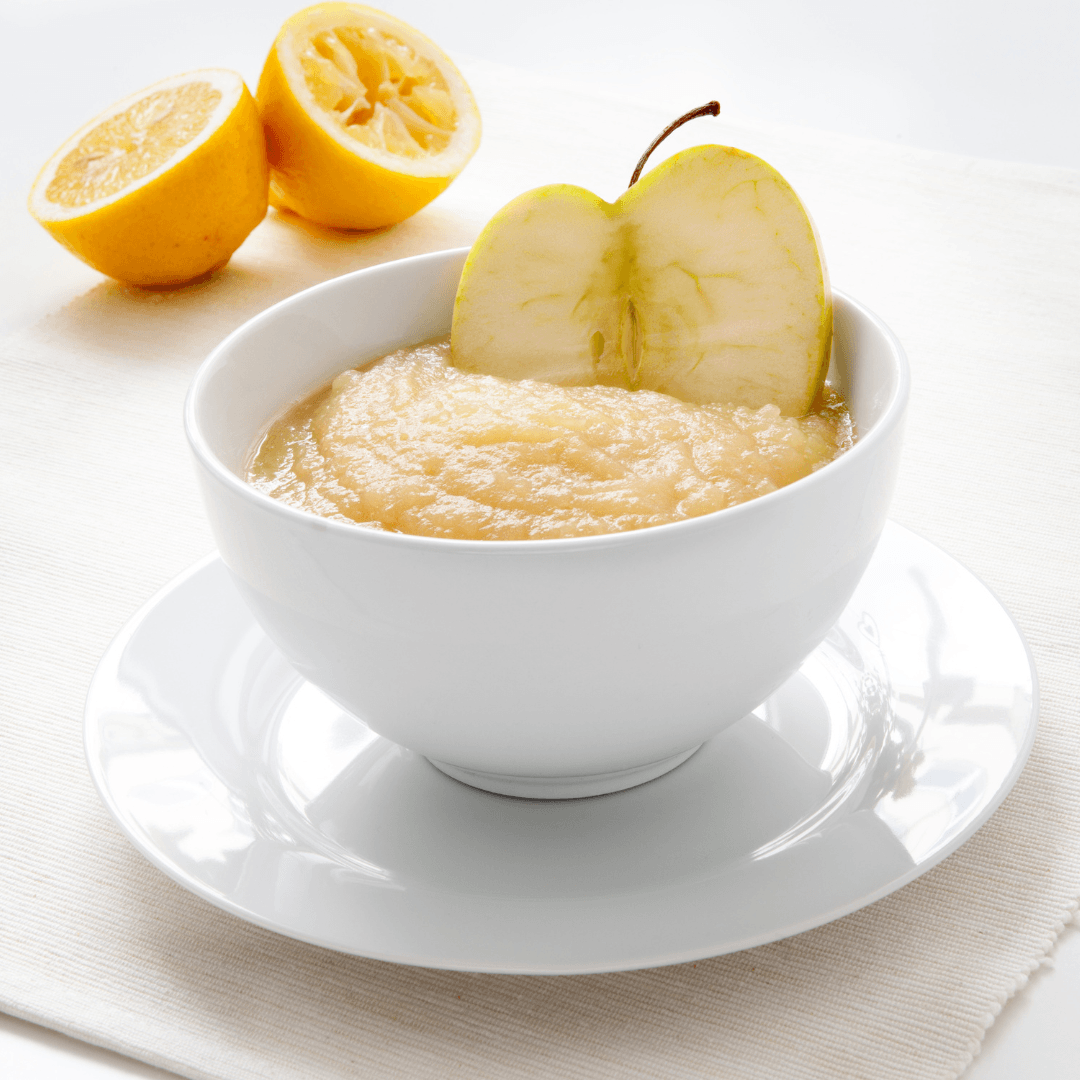
3. Applesauce
Unsweetened applesauce is a remarkable vegan substitute for eggs in various culinary creations. It seamlessly integrates moisture and binding properties into recipes.
This versatile ingredient excels in applications like muffins, pancakes, and cakes, where eggs traditionally play a crucial role. Applesauce's inherent ability to maintain the desired moisture content in baked goods ensures that the final product remains tender and moist.
When incorporated into recipes, unsweetened applesauce contributes a subtly sweet flavour that complements sweet and savoury dishes. It seamlessly blends with other ingredients, eliminating any concern of an overpowering apple taste.
As a binder, applesauce helps hold the ingredients together, ensuring the proper structure and consistency of the finished product.
This is particularly evident in baked goods like pancakes, muffins, and cakes, where the texture is essential for a satisfying eating experience.
Beyond its culinary benefits, unsweetened applesauce offers nutritional advantages. It contains dietary fiber, which supports healthy digestion and helps maintain steady blood sugar levels.
Additionally, applesauce provides vitamins and minerals, including vitamin C and potassium, which contribute to overall well-being.
4. Bananas
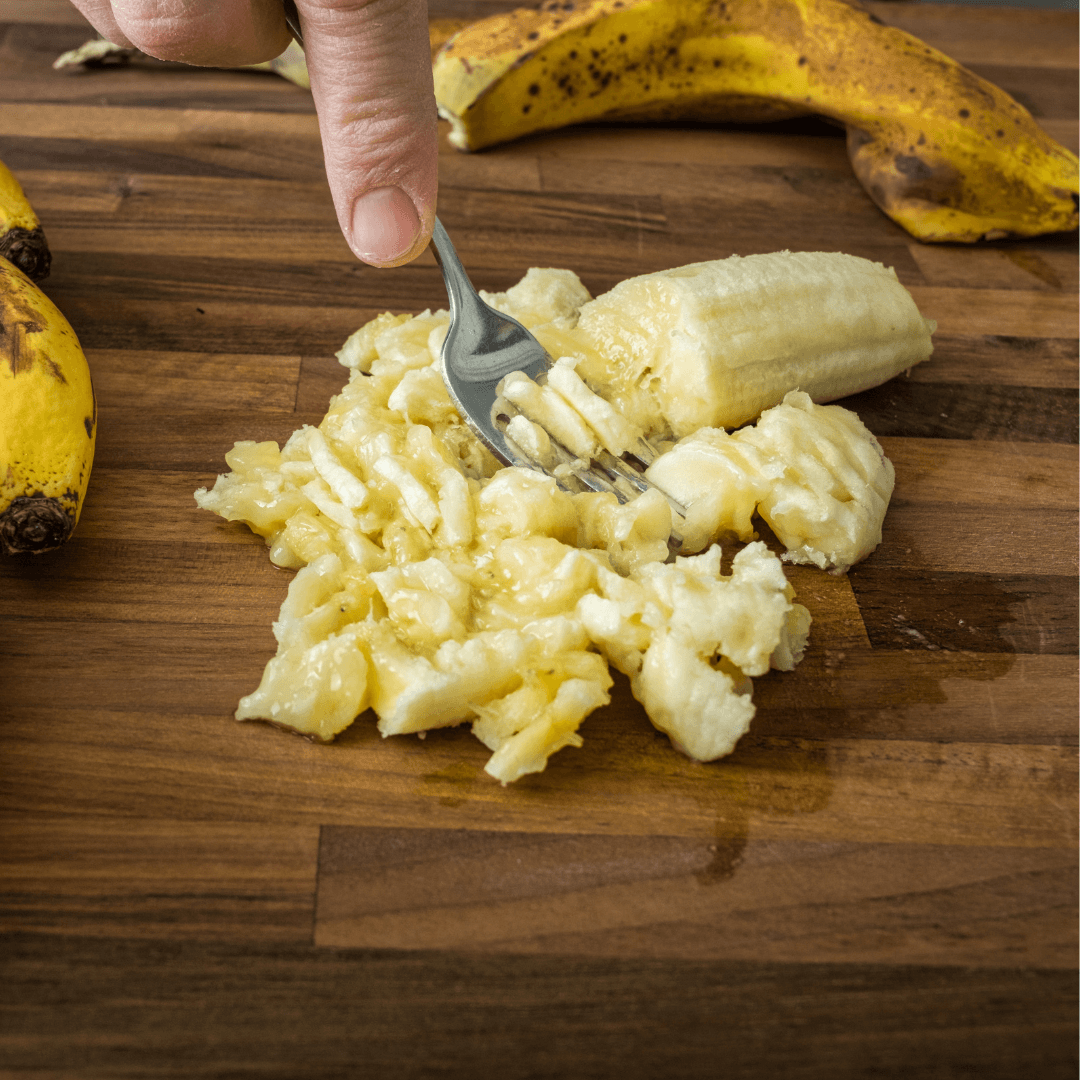
Mashed ripe bananas emerge as a delightful and nutritious alternative to eggs, serving as a natural sweetener and an effective binding agent in many culinary creations.
Their versatility and inherent sweetness make them an ideal candidate for replacing eggs in recipes like pancakes, muffins, and quick bread, where eggs' binding and moisture-retaining properties are essential.
When incorporated into recipes, mashed ripe banana introduces a delicate sweetness that enhances the flavour profile of the final dish. This natural sweetness complements a range of flavours, from chocolate's richness to whole grains' earthiness.
As a binding agent, mashed banana holds the ingredients together, providing the structural integrity needed for baked goods to rise and set properly.
Beyond its culinary attributes, mashed ripe bananas offer many nutritional benefits. Soluble fibre, which promotes good digestion and lowers blood sugar levels, is abundant in bananas, making them a great source of dietary fibre.
Furthermore, they contain vital nutrients such as potassium, vitamin C, and vitamin B6, as well as other critical vitamins and minerals that improve overall health.
5. Aquafaba
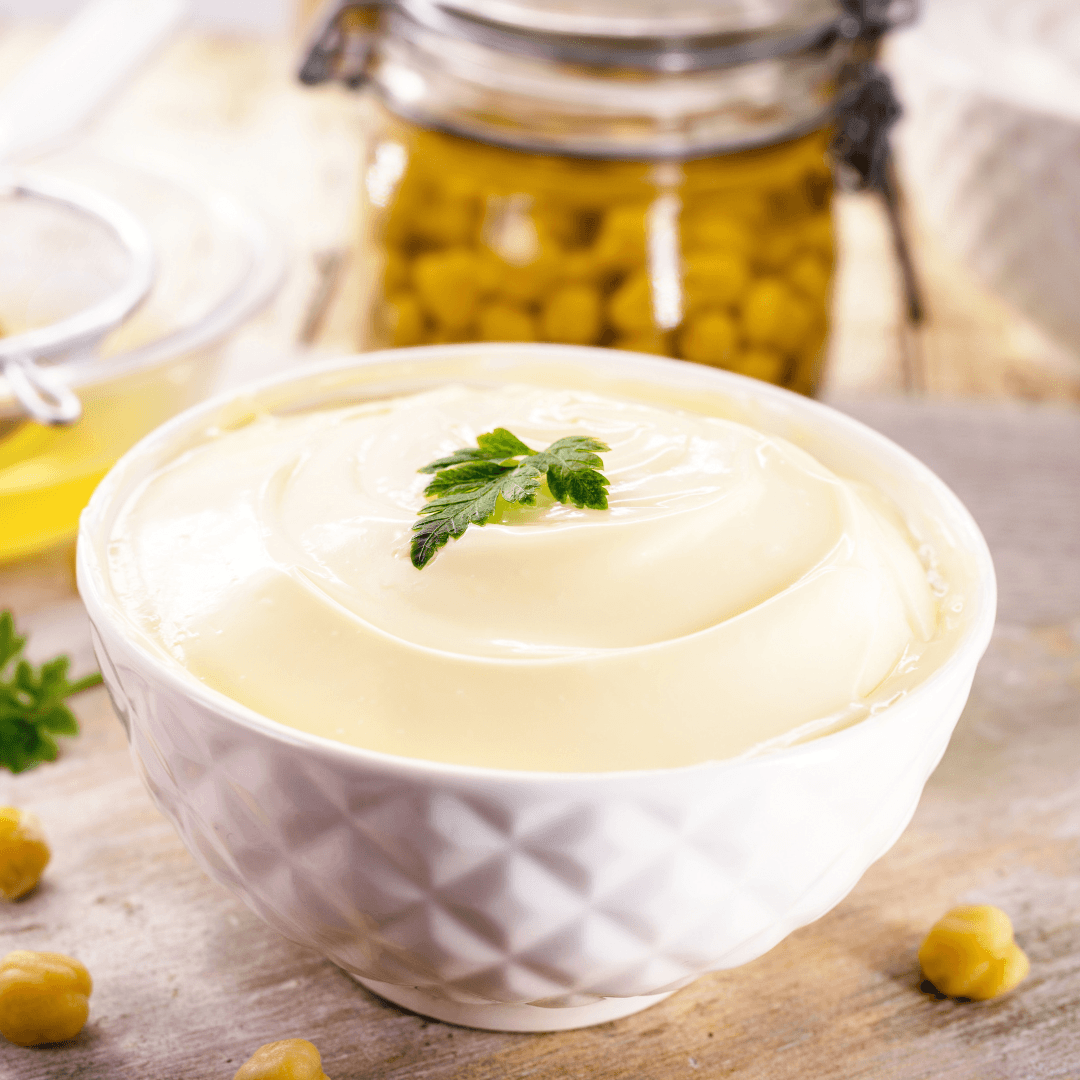
Aquafaba, the ingenious and versatile liquid derived from canned chickpeas, has gained a reputation as a game-changing vegan egg substitute, particularly in baking and confectionery.
This seemingly unassuming byproduct of cooking chickpeas possesses remarkable properties, making it an excellent replacement for egg whites in various culinary creations.
Aquafaba's standout feature is its ability to mimic the texture and behaviour of whipped egg whites.
This magical transformation occurs because proteins and starches released from chickpeas during cooking create a viscous, frothy liquid that forms stiff peaks.
This makes aquafaba a formidable candidate for whipping up fluffy meringues, delicate macarons, and decadent mousses traditionally relying on egg whites for structure and aeration.
In addition to its remarkable foaming abilities, aquafaba's neutral flavour ensures it integrates seamlessly into a wide range of dishes without overpowering other ingredients.
This characteristic is especially advantageous in recipes where the distinctive taste of eggs would be undesirable. Beyond its culinary merits, aquafaba is also a commendable example of food waste reduction, as it transforms a typically discarded component of canned chickpeas into a valuable ingredient.
Furthermore, aquafaba is a source of plant-based protein and soluble fiber, contributing to its nutritional appeal.
6. Vinegar And Baking Soda
Although commonly associated with household cleaning, vinegar and baking soda are also a dynamic duo that can work their magic in vegan cooking and baking.
Combined, these two pantry staples create a chemical reaction that releases carbon dioxide gas, resulting in a leavening effect that can impart a light and airy texture to various baked goods.
The vinegar-and-baking-soda duo can admirably supplement recipes that call for eggs, providing lift and structure. The alkaline baking soda and vinegar combine to form carbon dioxide bubbles, which expand during baking.
The vinegar is typically white distilled or apple cider vinegar. This trapped gas lifts the dough or batter, creating a delicate and tender final product.
This leavening effect makes the vinegar-and-baking-soda combination particularly suitable for recipes like muffins, quick bread, and pancakes, where a slight rise and fluffiness are desired.
The vinegar's acidity also contributes to the dish's overall flavour profile, often enhancing tanginess or balancing sweetness.
One of the appeals of using vinegar and baking soda as an egg substitute is its simplicity and widespread availability.
Both ingredients are kitchen staples, and their interaction can serve as a reliable alternative in vegan baking. This allows individuals to enjoy their favorite baked treats without relying on traditional eggs.

7. Non-Dairy Yogurt
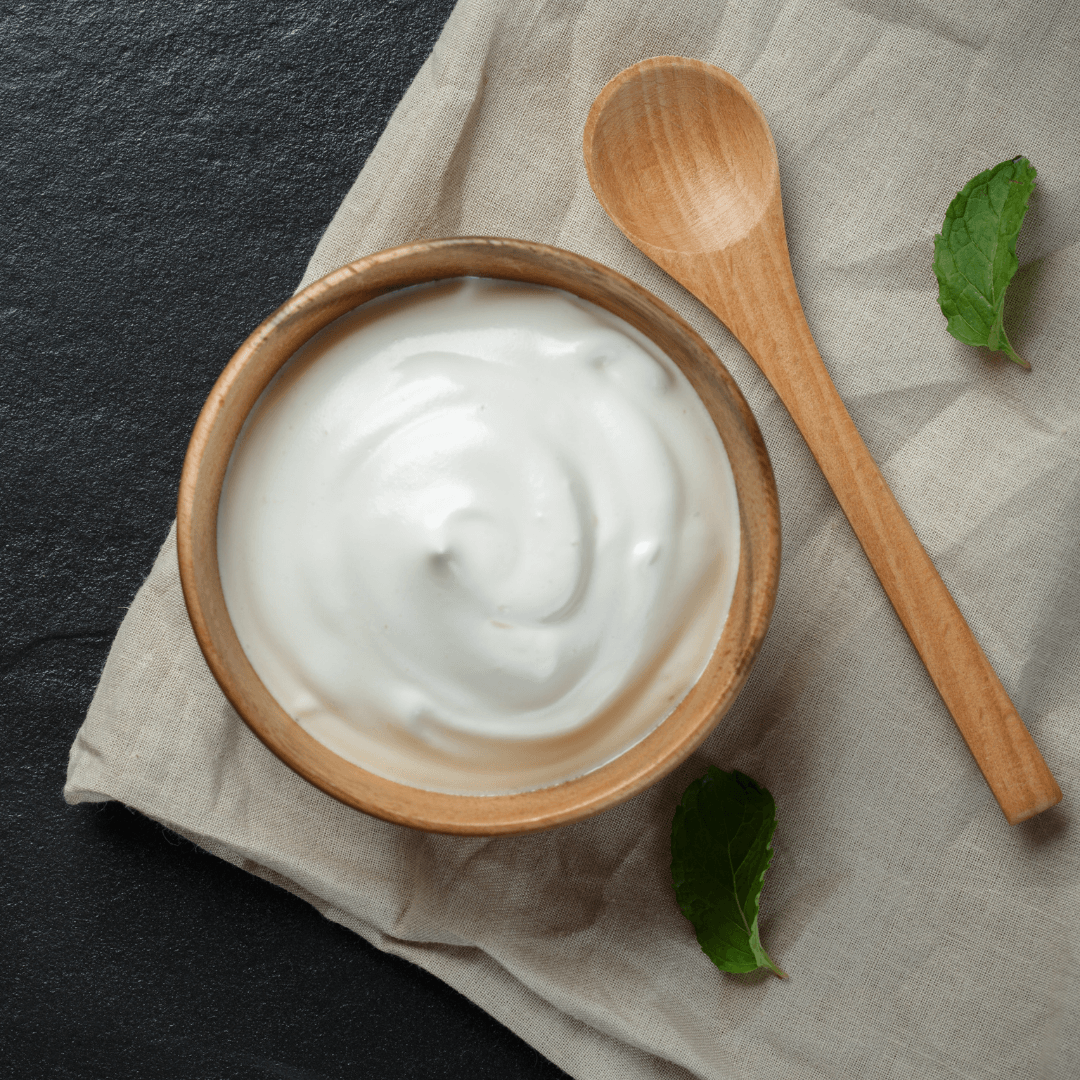
Non-dairy yogurt, a versatile and creamy alternative to traditional dairy-based yogurt, has become a valuable ingredient in vegan cuisine.
When used as an egg substitute, non-dairy yogurt can provide moisture, binding, and a subtle tanginess that enhances the flavour profile of various recipes.
In recipes where eggs are typically used to add moisture and help bind ingredients together, such as pancakes and muffins, non-dairy yogurt steps in admirably.
Its smooth texture blends seamlessly with other ingredients, creating a consistent batter or dough.
Whether you're whipping up a batch of fluffy pancakes or preparing a tray of delectable muffins, incorporating non-dairy yogurt can yield moist, tender, and satisfying results.
The lactic acid in non-dairy yogurt also aids in the leavening process, helping create a light, airy texture in baked goods. This is particularly beneficial in recipes that require a rise, such as quick bread or cakes.
Beyond its functional benefits, non-dairy yogurt brings a delightful creaminess and depth of flavour to recipes. With various flavours and varieties available, from almond- and coconut-based to soy- and oat-based, non-dairy yogurt opens the door to culinary possibilities.
Whether seeking a subtle enhancement or a bold flavour twist, non-dairy yogurt offers flexibility and creativity to your vegan cooking endeavours.
8. Nut Butter
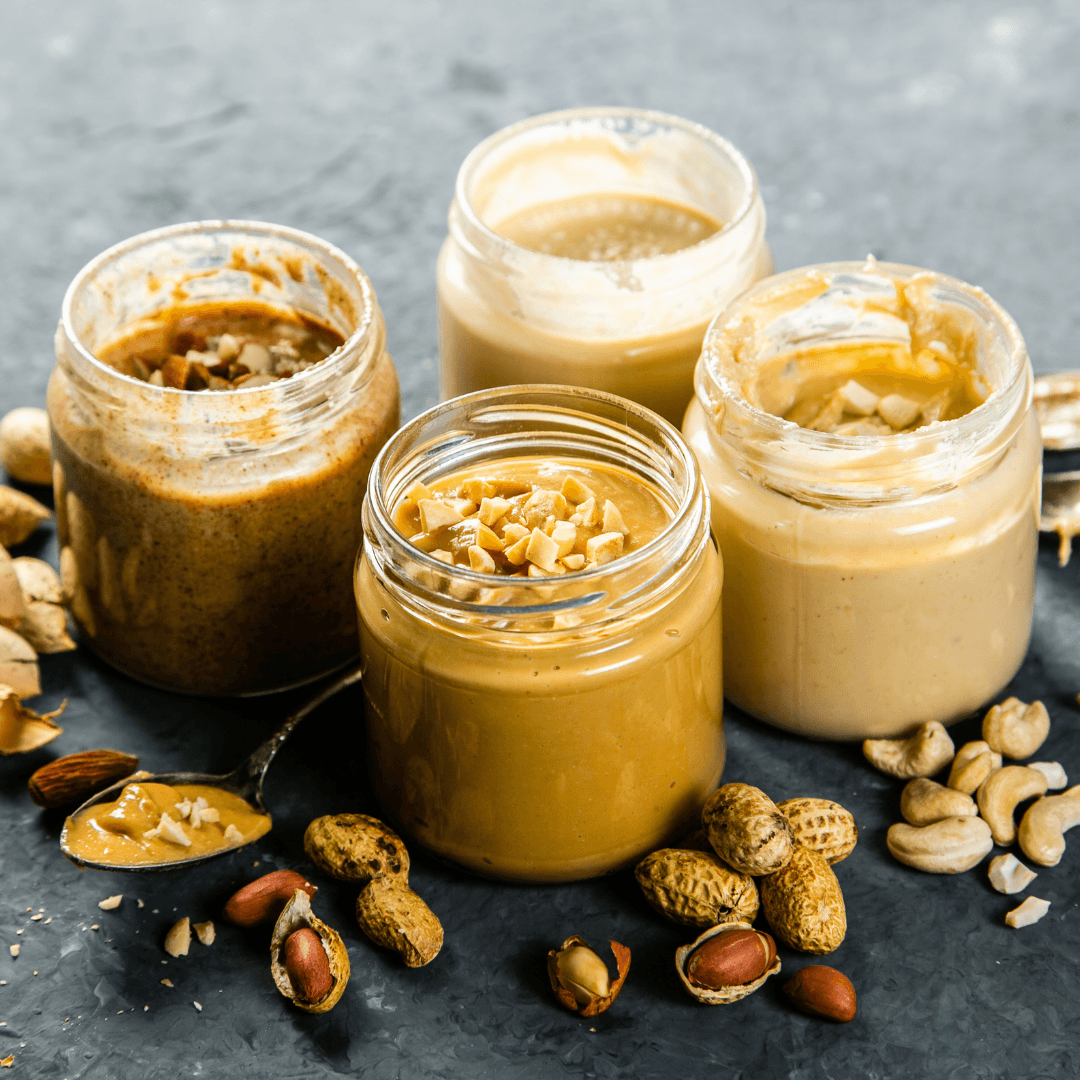
Nut butter, such as peanut butter or almond butter, offers a creamy and nutty indulgence that enhances the flavour of baked goods and contributes to their texture and moisture.
These plant-based spreads are an excellent alternative to eggs in recipes requiring binding and richness. Nut butter provides a luscious and decadent quality to baked goods when used as an egg substitute.
Their natural oils and fats help moisten the batter or dough, resulting in tender and melt-in-your-mouth delicious treats. Whether crafting cookies, brownies, or energy bars, incorporating nut butter can elevate the overall taste experience and deliver a satisfying mouthfeel.
Nut butter also brings a certain level of viscosity that helps hold ingredients together, similar to the role eggs play in binding.
This characteristic is particularly valuable in recipes like no-bake bars or granola, where the mixture needs to adhere and maintain its shape.
Moreover, the protein content in nut butter lends additional structure and stability to the final product. Nut butter is rich in heart-healthy fats, protein, and essential nutrients like vitamin E and magnesium.
This makes them a wholesome choice that imparts flavour and texture and contributes to the overall nutritional profile of your baked creations.
9. Arrowroot Powder
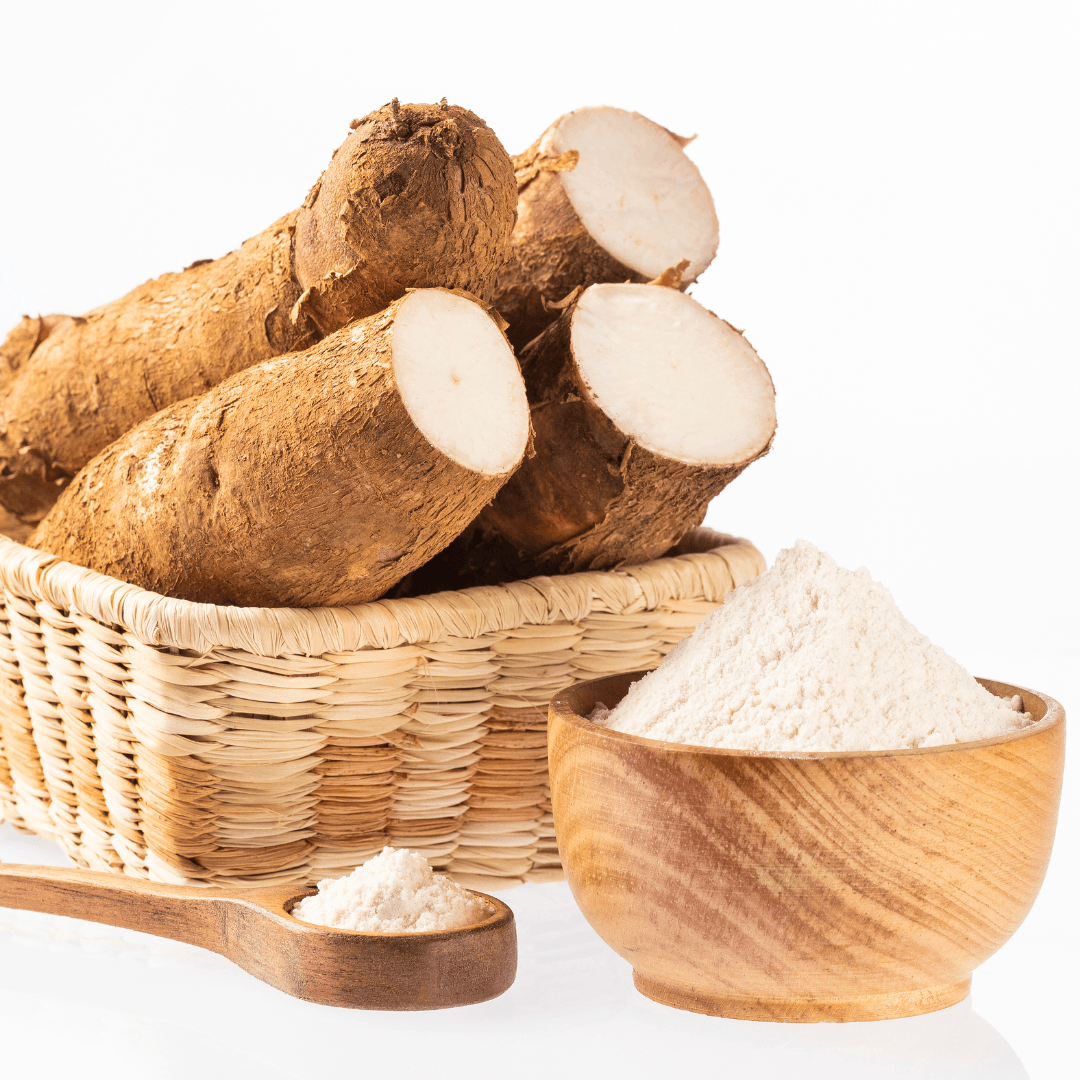
Arrowroot powder, derived from the rhizomes of the arrowroot plant, is a versatile and gluten-free ingredient that is an effective thickening agent and binding agent in various culinary applications.
In vegan cooking, arrowroot powder is a valuable substitute for eggs in recipes that require thickening and cohesion, such as sauces, soups, gravies, and puddings.
Arrowroot powder uniquely creates a smooth and silky texture in sauces and puddings when used as an egg alternative.
It works by absorbing liquid and forming a gel-like consistency, helping to bind the ingredients together and give the dish its desired thickness.
This makes it an excellent choice for vegan sauces and gravies, providing a glossy and velvety finish without the need for eggs. In addition to its thickening properties, arrowroot powder is valued for its neutral flavour profile.
Unlike some other egg replacements, arrowroot powder does not impart any distinct taste to the final dish, allowing the ingredients' natural flavours to shine.
This makes it particularly suitable for recipes where the original taste is crucial. Using arrowroot powder as an egg substitute is relatively straightforward.
Mix 1 tablespoon of arrowroot powder with 2-3 tablespoons of water to create a slurry to replace 1 egg. This can then be added to your recipe as a binding and thickening agent, ensuring a cohesive and well-textured result.
10. Potato Starch
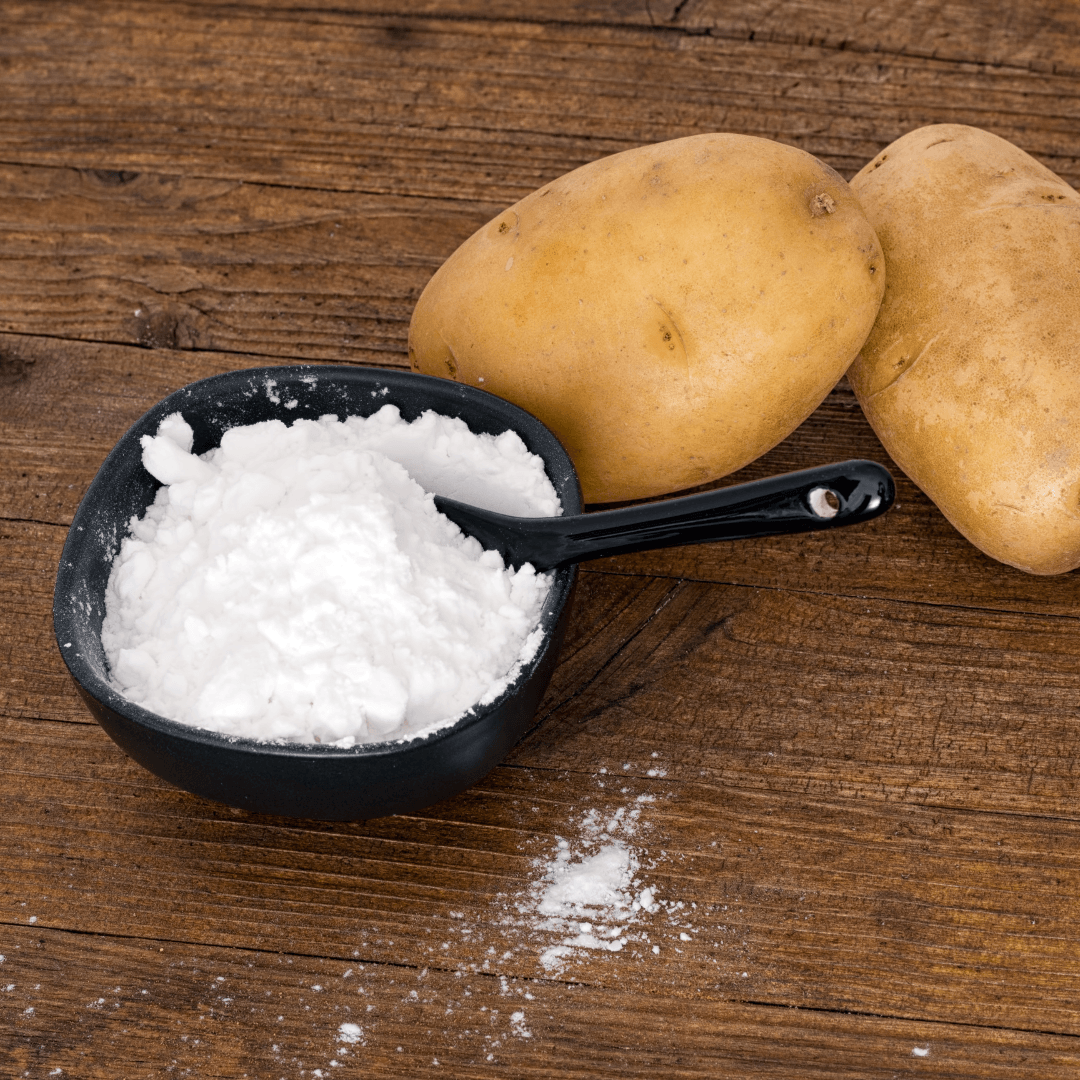
Potato starch, derived from potatoes, is a versatile, gluten-free ingredient that is an excellent thickening and binding agent in various culinary creations.
In vegan cooking, potato starch is a valuable substitute for eggs in recipes that require viscosity, cohesion, and texture enhancement.
When used as an egg alternative, potato starch's unique composition allows it to absorb and retain liquid, forming a gel-like consistency.
This property makes it particularly effective for thickening sauces, soups, and gravies and provides stability and structure in baked goods.
Its ability to bind ingredients together helps create a cohesive texture, ensuring your recipes hold their form without needing eggs. One notable advantage of using potato starch as an egg replacer is its neutral flavour profile.
Potato starch doesn't impart any distinct taste to the final dish, allowing the original flavours of the ingredients to shine through. This makes it suitable for sweet and savoury recipes, preserving the integrity of your culinary creations.
Incorporating potato starch into your vegan cooking is simple. Mix 1 tablespoon of potato starch with 2-3 tablespoons of water to create a slurry that replaces 1 egg. This mixture can then be added to your recipe to achieve the desired thickness and binding effects.
Whether making a velvety vegan gravy or a delectable plant-based custard, potato starch offers a reliable and effective way to achieve the desired texture and consistency without relying on eggs.
Conclusion
The answer to the question “Do vegans eat eggs?” is simple: no. Vegans avoid eggs because they are an animal-derived product and do not align with the principles of veganism.
For many people, the decision to avoid eggs is based on concerns about animal welfare, environmental sustainability, and personal health.
As awareness of these issues continues to grow, more consumers are exploring plant-based alternatives and discovering new ways to prepare their favourite meals without eggs.
Today, a wide range of vegan egg substitutes makes it easier than ever to enjoy baking, cooking, and everyday meals while following a plant-based lifestyle.
Whether you're considering veganism or simply curious about the reasons behind it, understanding why vegans avoid eggs can provide valuable insight into this compassionate way of living.
I trust you enjoyed this article on Do Vegans Eat Eggs. Please stay tuned for more plant-based recipes, vegan travel tips, and lifestyle inspiration.
Take care!
— JeannetteZ 🌿
💬 Your Opinion Is Important To Me
Do you have thoughts, ideas, or questions? I’d love to hear from you. Please leave your comments below, or email me directly at Jeannette@LivingTheVeganLifestyle.org.
📚 More Vegan Lifestyle Reads
🌱 My #1 Recommendation for Online Success
Sharing my passion for vegan living — from food to fashion — has been such a rewarding journey.
If you’ve ever dreamed of building your own ethical lifestyle brand or blog, this is the best place to start.
🌟 See How Vegan Bloggers Build Online Income — Try WA Free (No Credit Card Needed)
Disclosure
This post may contain affiliate links. As an Amazon Associate and participant in other affiliate programs, I earn from qualifying purchases at no extra cost to you. Please read my full affiliate disclosure.